
Executive
Waste of the Day: In 2010, Mango Enhancements
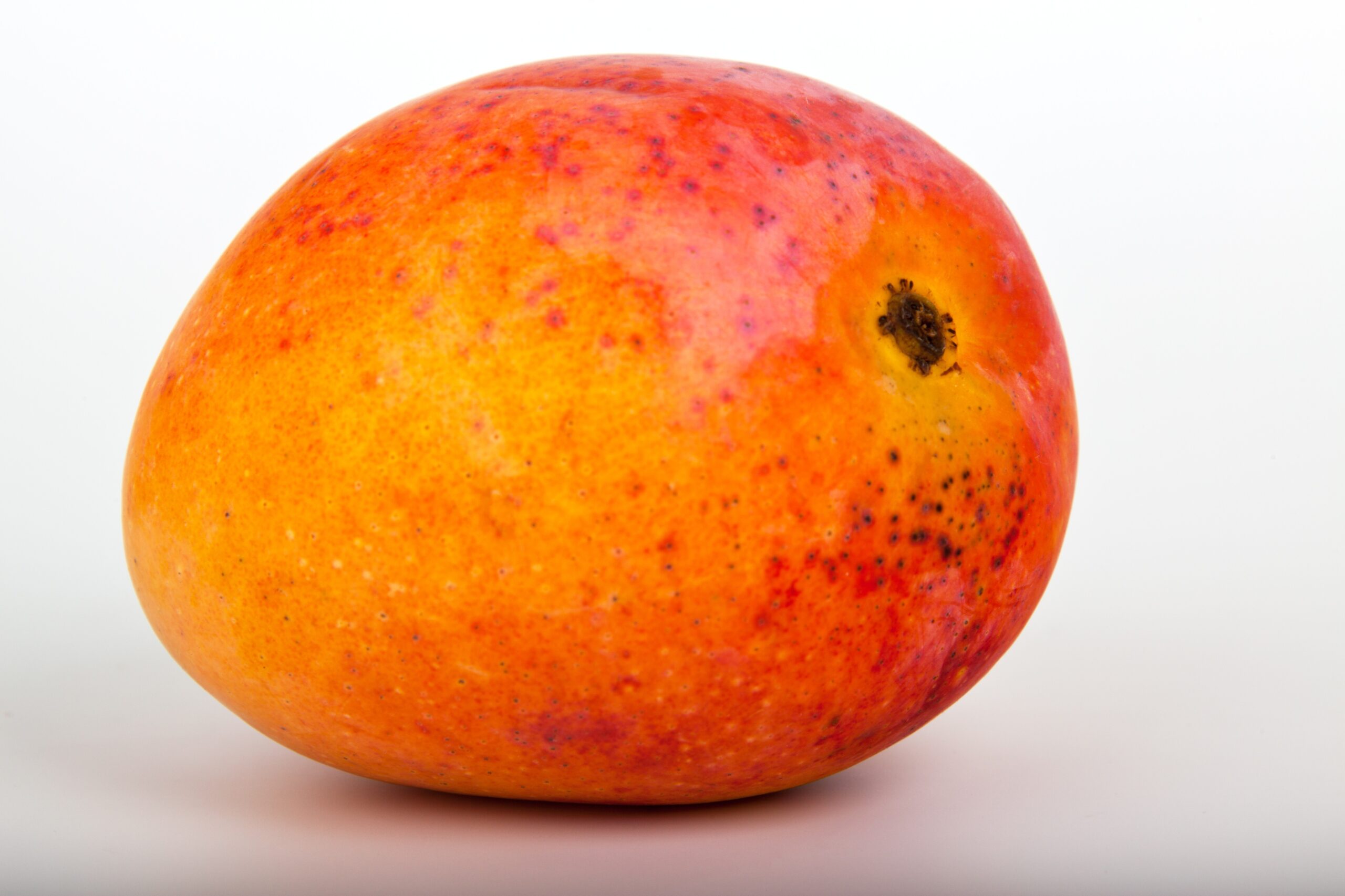
Mango exports from Pakistan to America got millions of dollars’ worth of attention from Secretary of State Hillary Clinton.


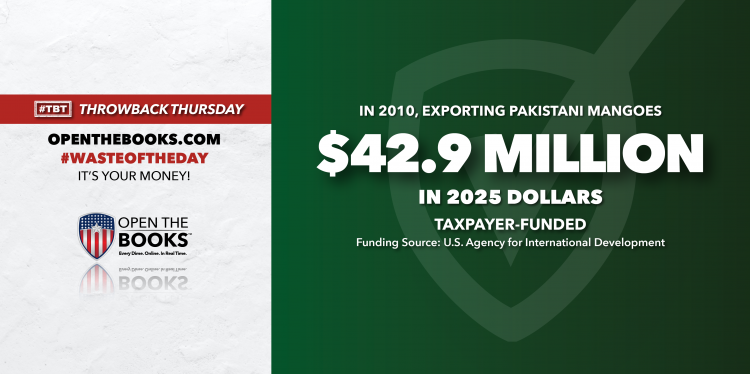
Topline: In 2010, then-Secretary of State Hillary Clinton lifted a US. ban on Pakistani mango exports and said she looked forward to helping the country ship more fruit overseas.
Millions spent on mango trade
After a year of work and $30 million of spending, the U.S. Agency for International Development concluded that “There is little chance of commercial exports of mangoes from Pakistan to the U.S. increasing significantly. Logistics are too costly.”
That’s according to the “Wastebook” reporting published by the late U.S. Senator Dr. Tom Coburn. For years, these reports shined a white-hot spotlight on federal frauds and taxpayer abuses.
Coburn, the legendary U.S. Senator from Oklahoma, earned the nickname “Dr. No” by stopping thousands of pork-barrel projects using the Senate rules. Projects that he couldn’t stop, Coburn included in his oversight reports.
Coburn’s Wastebook 2011 included 100 examples of outrageous spending worth nearly $7 billion, including USAID’s expensive order of fruit, which would be worth $42.9 million today.
Key facts: USAID began investing in Pakistani businesses in 2009, focusing on leather, livestock, textiles and dates. When the agency failed to make an impact on any of those four industries, it shifted its attention to boosting Pakistan’s mango sales by 20%.
USAID hired Washington D.C.-based development firm Chemonics to provide 13 farmers with “several enhancements to mango production,” Coburn’s Wastebook reported. An inspector general report later found that Chemonics only delivered the equipment to one farmer, who couldn’t use it because of a design flaw.
The same report noted that farmers were in danger of defaulting on loans they had expected to repay with revenue from mango sales that never materialized.
Billions spent more recently
Chemonics has received over $14 billion from USAID since 2023, including funds as recently as January.
USAID also paid for 80 Pakistani farmers to overhaul their mango washing and packaging processes, but U.S. authorities never made the legal changes necessary for success. Pakistani mangoes were only allowed to enter the U.S. in Chicago, where they were shipped to Iowa for cleaning.
Search all federal, state and local government salaries and vendor spending with the AI search bot, Benjamin, at OpenTheBooks.com.
Summary: Today, it’s almost impossible to find Pakistani mangoes in America. It’s even harder to find all the money USAID wasted on the fruit.
The #WasteOfTheDay is brought to you by the forensic auditors at OpenTheBooks.com.
This article was originally published by RealClearInvestigations and made available via RealClearWire.

Jeremy Portnoy, former reporting intern at Open the Books, is now a full-fledged investigative journalist at that organization. With the death of founder Adam Andrzejewki, he has taken over the Waste of the Day column.





-

 Civilization3 days ago
Stealth, Sensors, and Staying Power: What the F-35 Just Proved—and What Comes Next
-

 Executive3 days ago
Citizen Sleuths Spotlight Red Flags Galore in Government Spending
-

 Guest Columns4 days ago
Oklahoma’s Digital Future Will Be Built on Affordable, Reliable, Clean Energy Security
-

 Civilization2 days ago
Dems Scramble After California Governor’s Debate Implodes
-

 Executive5 days ago
Waste of the Day: Throwback Thursday – Helping Beverly Hills’ Low-Income Community
-

 Civilization4 days ago
Waste of the Day: Cybersecurity Programmers Have Foreign Ties
-

 Executive4 days ago
A Consent Decree for Freedom of Speech
-
 Executive2 days ago
America’s $130 Trillion Blind Spot