
Executive
Waste of the Day: Throwback Thursday: Fraud at Pakistani Sesame Street
The Pakistani equivalent of Sesame Street is riddled with fraud, and even USAID had to admit that as far back as 2012.


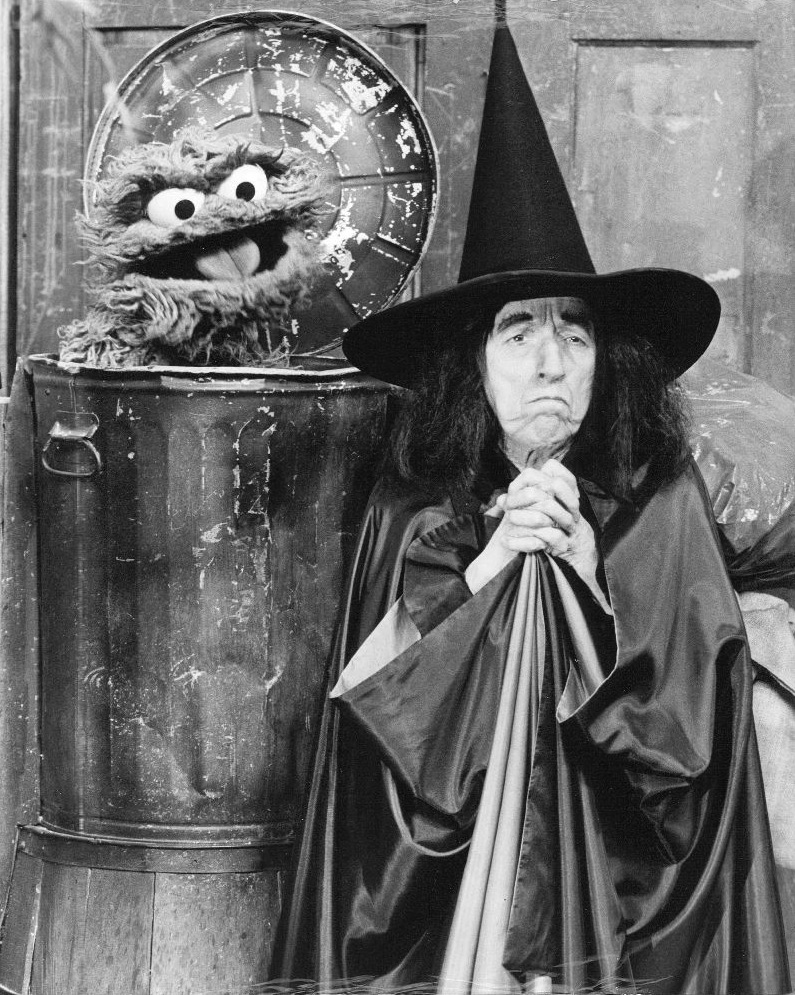
Topline: For “SimSim Hamara” — the Pakistani version of Sesame Street — the word of the day is “fraud.”
In 2012 even USAID had to admit that Pakistani Sesame Street was riddled with fraud
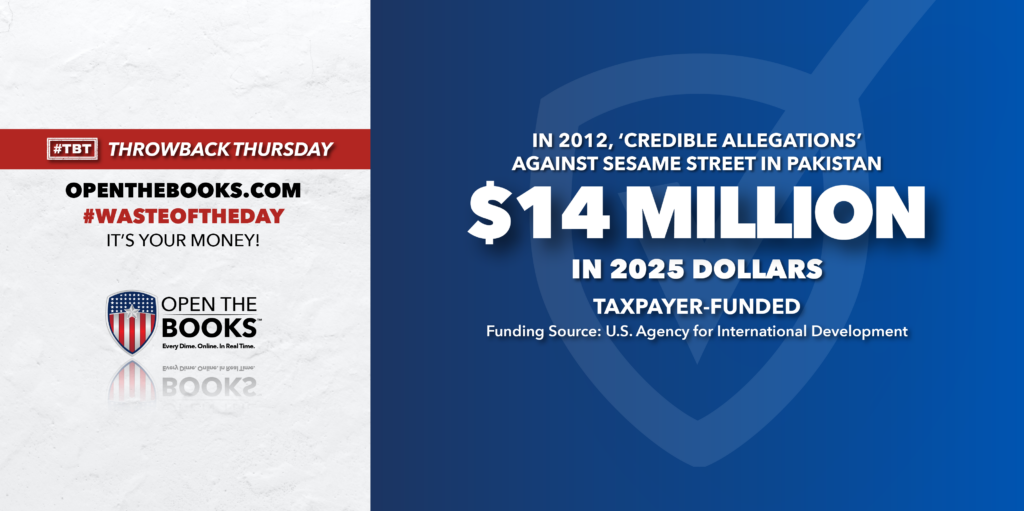
Or at least it was in 2012, when the U.S. Agency for International Development abruptly canceled a $20 million grant after uncovering “credible allegations of fraud and abuse” against the show’s producers, Rafi Peer Theater Workshop. The arts organization denied the charges, and no one was ever convicted of a crime.
USAID had already spent $10 million, or $14 million in today’s money.
The “Wastebook” reporting published by the late U.S. Senator Dr. Tom Coburn called out the Sesame Street funding as wasteful even before the corruption allegations were revealed.
Coburn, the legendary U.S. Senator from Oklahoma, earned the nickname “Dr. No” by stopping thousands of pork-barrel projects using the Senate rules. Projects that he couldn’t stop, Coburn included in his oversight reports.
Coburn’s Wastebook 2011 included 100 examples of outrageous spending worth nearly $7 billion, including the cash spent on Middle Eastern puppets.
Key facts: The USAID funding included money to produce 130 episodes of the show, host 9,000 gatherings with laptops showing the program, and rent 600 “mobile video vans” promoting the show. Elmo and Grover appeared, but the show mostly featured new Pakistani characters and animals. Rafi Peer Theater Workshop received $7 million, and $3 million went to Sesame Workshop for licensing fees.
The tip
Rafi Peer was chosen out of more than 300 applicants and created 26 episodes of the show before USAID received an anonymous tip through an anti-corruption hotline. The Pakistan Today newspaper reported that the theater’s owners allegedly used U.S. funds to pay off old debts and hire their family members to high-paying contracts.
Faizaan Peerzada, chief operating officer of Rafi Peer, told several news outlets that USAID cancelled the grant “because of a lack of funds and not for any other reason.” But a USAID spokesperson later clarified in a statement to Newsline Magazine that “This is about allegations of corruption.”
Oddly enough, SimSim Hamara was the second government-funded Sesame Street spinoff to be cancelled in 2012. Congress also froze a $192 million grant to the Gaza strip that included money for “Shara’a Simsim,” the Palestinian version of the kids show.
Search all federal, state and local salaries and vendor spending with the world’s largest government spending database at OpenTheBooks.com.
Summary: SimSim Hamara was yet another example of the U.S. funding an initiative that did not directly advance American interests. Even The Count might have trouble totaling up all the money that USAID has spent on such projects over the years.
The #WasteOfTheDay is brought to you by the forensic auditors at OpenTheBooks.com
This article was originally published by RealClearInvestigations and made available via RealClearWire.

Jeremy Portnoy, former reporting intern at Open the Books, is now a full-fledged investigative journalist at that organization. With the death of founder Adam Andrzejewki, he has taken over the Waste of the Day column.







-

 Executive5 days ago
Waste of the Day: Alabama Hired Lawyer for Lawsuits He Caused
-

 Civilization5 days ago
The Unholy Alliance: Moscow and Beijing’s Invisible Shield Over Tehran
-

 Civilization5 days ago
President Should Follow His Instincts, Not the Energy Markets
-

 Education4 days ago
Everything’s Bigger in Texas, Including School Debt
-

 Civilization5 days ago
Stimulating Creativity in Human-Machine Teams
-

 Education4 days ago
Restoring Duty to God and Country
-
 First Amendment3 days ago
Oregon’s Union Crackdown Spreads
-

 Guest Columns3 days ago
Living in the Empty Tomb Era