
Executive
Waste of the Day: Throwback Thursday – Subsidies for Cotton
In 2011 the United States government spent over twenty million dollars subsidizing cotton and its marketing abroad.


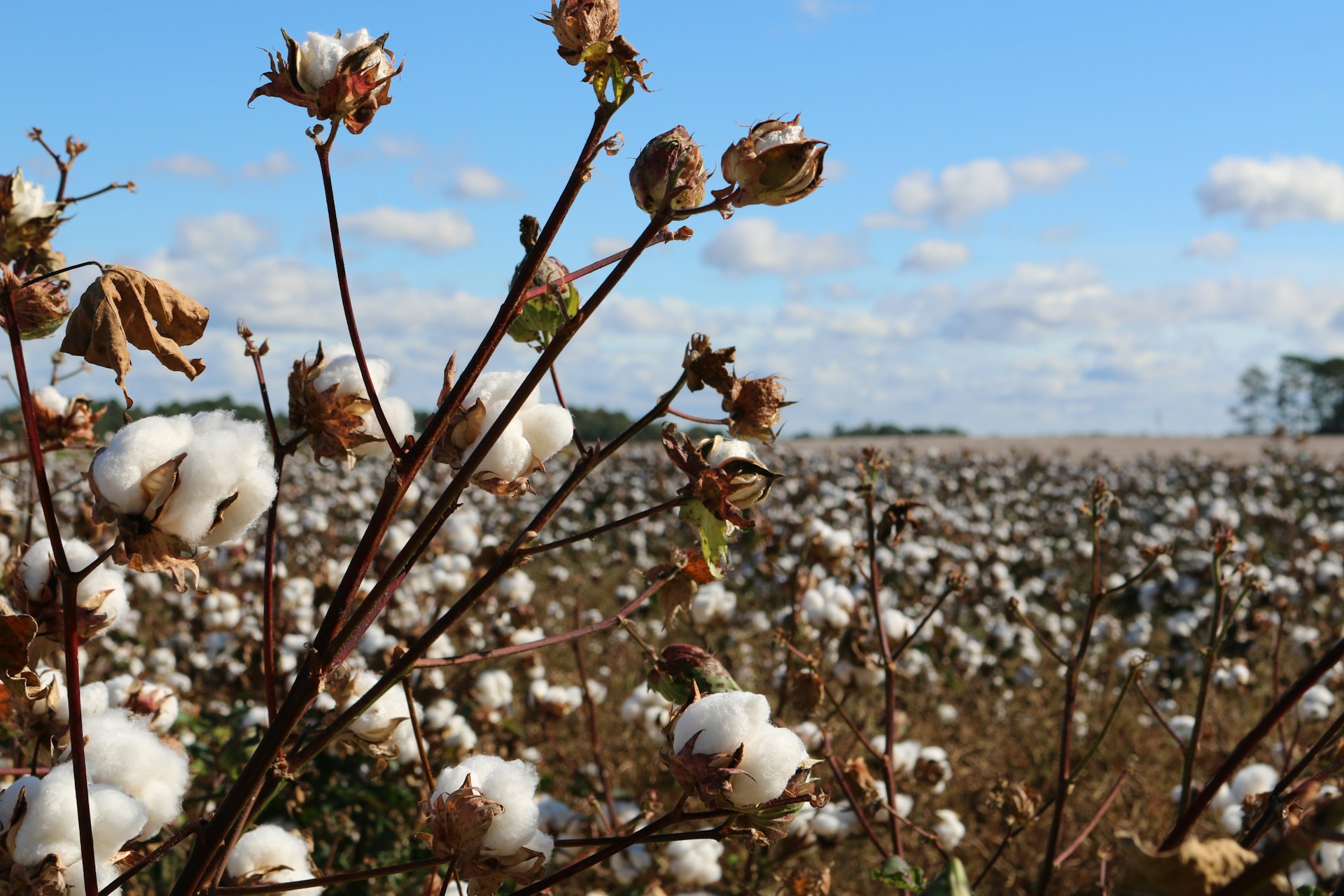
Topline: Government subsidies can sometimes be useful tools to help struggling businesses or convince large companies to create jobs. There is little reason to spend taxpayer money on an industry that would be prosperous even without subsidies, but that has not stopped the Department of Agriculture’s Market Access Program from spending hundreds of millions of dollars to promote U.S. cotton abroad.
Subsidies for cotton? Who needs that?
Program funds have been used to subsidize an Indian reality TV show about designing clothes using cotton, among other questionable initiatives.
That’s according to the “Wastebook” reporting published by the late U.S. Senator Dr. Tom Coburn. For years, these reports shined a white-hot spotlight on federal frauds and taxpayer abuses.
Coburn, the legendary U.S. Senator from Oklahoma, earned the nickname “Dr. No” by stopping thousands of pork-barrel projects using the Senate rules. Projects that he couldn’t stop, Coburn included in his oversight reports.
Coburn’s Wastebook 2011 included 100 examples of outrageous spending worth nearly $7 billion, including the $20.3 million program spent promoting cotton abroad in 2010 alone — which would be worth $30 million today.
Key facts: When Coburn called out the subsidies in 2011, the cotton industry brought in $5.3 billion of revenue, making the payments seemingly unnecessary. Even President Obama, a supporter of the program, wanted to reduce its spending by 20% because its “economic impact is unclear,” The New York Times reported at the time.
The cotton industry continues to receive program funding every year. The Cotton Council International received $140.6 million from 2006 to 2012, making it the top recipient of program funding in that time span, according to Taxpayers for Common Sense. The trade group was once again on top of the list in 2025 with a $13.6 million subsidy.
Interesting projects
The Cotton Council International previously used its subsidies to pay for “Let’s Design,” a reality show that gave the winner a free trip to Paris, and supposedly “plays a role in keeping the demand for cotton strong,” the Council told The New York Times. Agriculture program funds also paid for a manual for pet owners in Japan and a rice-cooking class at a Mexican culinary school, The New York Times found.
Other program recipients have included large corporations like McDonalds, Nabisco, Welch Foods and Sunkist. This year, the National Industrial Hemp Council received $175,434.
Search all federal, state and local salaries and vendor spending with the world’s largest government spending database at OpenTheBooks.com.
Summary: Most Americans would probably be happier to keep the cotton which make up their own dollar bills instead of spending it on handouts for one of the world’s most lucrative industries
The #WasteOfTheDay is brought to you by the forensic auditors at OpenTheBooks.com.
About the image
Photo by Trisha Downing on Unsplash
This article was originally published by RealClearInvestigations and made available via RealClearWire.

Jeremy Portnoy, former reporting intern at Open the Books, is now a full-fledged investigative journalist at that organization. With the death of founder Adam Andrzejewki, he has taken over the Waste of the Day column.




-

 Civilization4 days ago
Stealth, Sensors, and Staying Power: What the F-35 Just Proved—and What Comes Next
-
 Executive4 days ago
Citizen Sleuths Spotlight Red Flags Galore in Government Spending
-

 Guest Columns5 days ago
Oklahoma’s Digital Future Will Be Built on Affordable, Reliable, Clean Energy Security
-

 Civilization3 days ago
Dems Scramble After California Governor’s Debate Implodes
-
 Executive4 days ago
A Consent Decree for Freedom of Speech
-

 Civilization4 days ago
Waste of the Day: Cybersecurity Programmers Have Foreign Ties
-
 Executive3 days ago
America’s $130 Trillion Blind Spot
-

 Civilization2 days ago
Iran Could Reshape the Middle East and the Global Balance of Power