
Executive
Waste of the Day: Federal Deficit Is Almost $2 Trillion
The United States government is running a deficit of $1.8 trillion as of 2025, smaller than last years, but negligibly so.


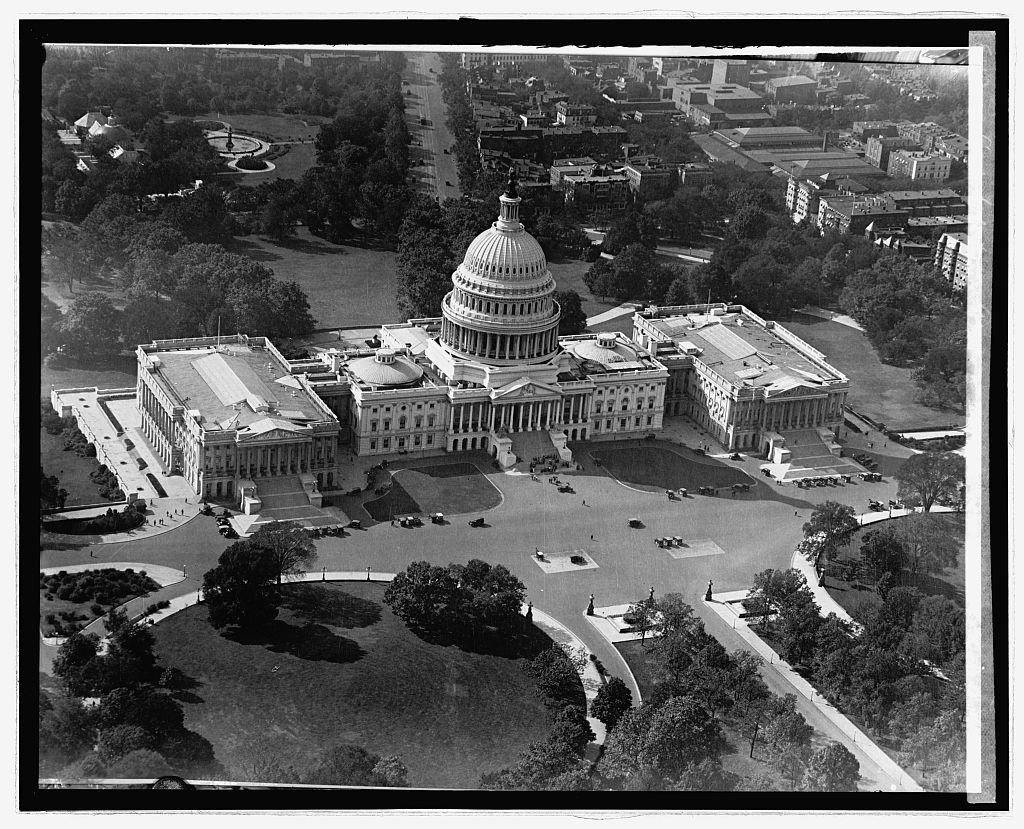
Topline: The federal deficit was $1.8 trillion in fiscal year 2025, according to preliminary estimates published by the Congressional Budget Office. That’s $8 billion less than FY 2024, but when discussing numbers that large, it’s almost unchanged.
What the federal deficit really means
When the government spends more money than it collects, the national debt increases. It is now approaching $38 trillion, or over $110,000 per person in America.
The deficit is the annual shortfall where the government spends more than it takes in, while the debt is the total, accumulated amount the government owes.
Key facts: The government spent over $7 trillion in FY25 but collected over $5 trillion in taxes and other revenue.
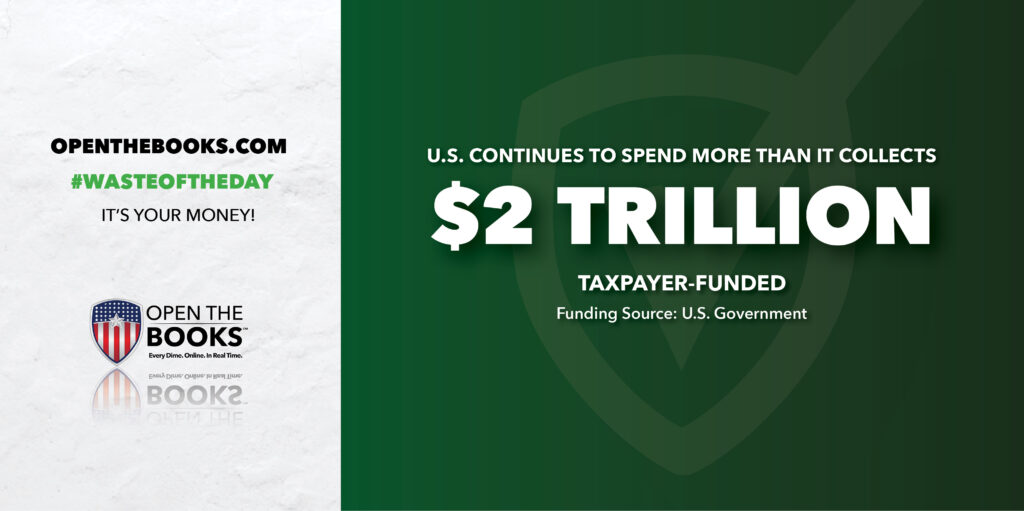
Spending was up $301 billion compared to FY24, or $104 billion when considering inflation.
FY25 lasted from Oct. 1, 2024, to Sep. 30, 2025. Joe Biden was president for nearly four months in that span, and Donald Trump was president for over eight months. The deficit increased most rapidly at the start of Trump’s term. From January to March 2025, the government spent over $500 billion more than it collected.
Most of the increased spending came from Social Security, which has more beneficiaries than in 2024 and increased payments to adjust for the cost of living. Medicare and Medicaid also face increased health-care costs.
Agencies like the Department of Defense and Veterans Affairs also increased their spending. The Department of Education, Small Business Administration and Federal Deposit Insurance Corporation dramatically cut their spending this year.
Revenue
The largest source of government revenue was $2.7 trillion from individual income taxes, a 10% increase from FY24. Corporate income taxes decreased by 15%. Customs duties — which include tariffs — totaled $195 billion, or $118 billion more than in FY24.
The last time the federal government had a budget surplus was in 2001 under President Bill Clinton.
Search all federal, state and local salaries and vendor spending with the world’s largest government spending database at OpenTheBooks.com
Summary: For over 20 years, the one constant between presidential administrations has been the government’s refusal to spend within its means.
The #WasteOfTheDay is brought to you by the forensic auditors at OpenTheBooks.com.
This article was originally published by RealClearInvestigations and made available via RealClearWire.

Jeremy Portnoy, former reporting intern at Open the Books, is now a full-fledged investigative journalist at that organization. With the death of founder Adam Andrzejewki, he has taken over the Waste of the Day column.





-

 Civilization4 days ago
How Prepared Is the Defense Industrial Base for Iranian Cyber Attacks?
-

 Civilization2 days ago
Stealth, Sensors, and Staying Power: What the F-35 Just Proved—and What Comes Next
-

 Civilization4 days ago
No Retreat, No Surrender: Why America Must Prevail in Iran
-
 Executive2 days ago
Citizen Sleuths Spotlight Red Flags Galore in Government Spending
-

 Guest Columns3 days ago
Oklahoma’s Digital Future Will Be Built on Affordable, Reliable, Clean Energy Security
-
 Education5 days ago
Waste of the Day: AZ School Vouchers Used For Hot Tub, Wedding Gifts, More
-

 Executive4 days ago
Waste of the Day: Throwback Thursday – Helping Beverly Hills’ Low-Income Community
-

 Civilization1 day ago
Dems Scramble After California Governor’s Debate Implodes