
Civilization
Right To Repair Carries Greater Risk Than Reward for Our Warfighters
Allowing unvetted third parties to repair or modify critical shipboard, weapons, and other military systems is a recipe for disaster.


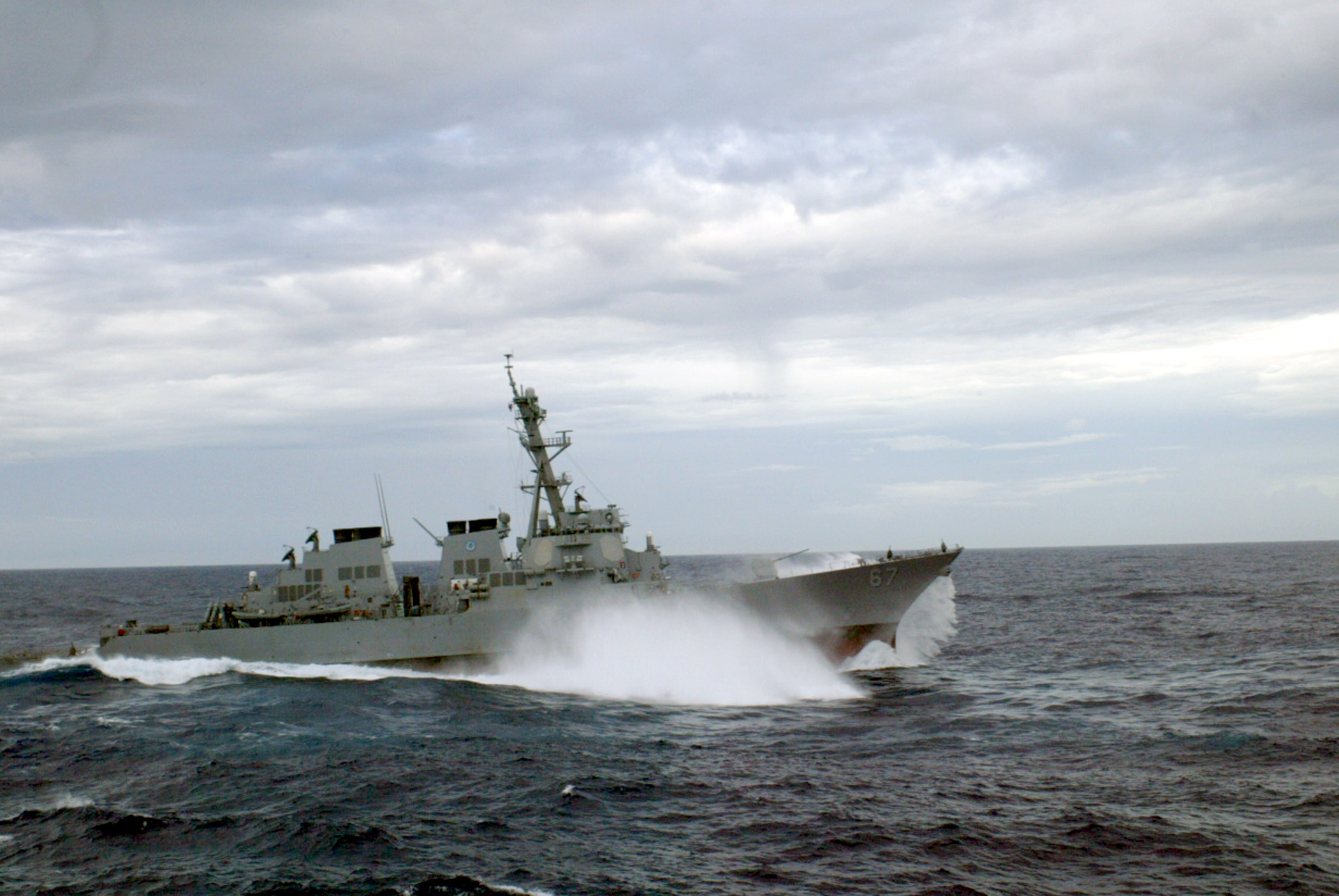
Allowing unvetted third parties to repair or modify critical shipboard, weapons, and other military systems is a recipe for disaster.
When I took command of the USS Cole, I accepted more than responsibility for a ship. I accepted the weight of accountability and trust. Every sailor depended on the ship’s systems to function exactly as designed, without compromise. Each component, from the propulsion system to the smallest circuit breaker, represented a link in a chain built through rigorous design and maintenance. That design was tested on October 12, 2000, when terrorists attacked our ship in the port of Aden, Yemen. The training, equipment, and rigor of our maintenance and training programs held the crew together and saved lives. In those critical moments of chaos, reliability was not a convenience. It was survival.
Repair is best left to carefully vetted professionals, not third parties
That experience fundamentally shaped how I view the growing push to expand “Right to Repair” provisions within the current Defense Authorization Act. Supporters argue that allowing third parties broader access to repair and modify equipment will save money and encourage innovation. In the consumer marketplace, that goal may sound reasonable. But in the defense world, where the margin between readiness and catastrophe can be measured in seconds, this approach carries far greater risk than reward.
The Navy operates within an ecosystem built on trust, certification, and verified performance. Every piece of hardware used aboard a military vessel passes through layers of inspection and accountability to ensure it will perform under the most extreme conditions. To invite third-party entities, operating without the same level of oversight and accountability, to repair or modify these systems, introduces uncertainty into a process that the military cannot afford.
The consequences of that uncertainty do not appear during a budget meeting in Washington. They appear at sea, when a crew depends on that system to respond in combat or during an emergency. In other words, our very national security is at risk.
How the tried-and-true saved the Cole
In leading the USS Cole, I asked sailors to live by procedures that were tested, proven, and codified. They safeguarded personnel and equipment alike. Any unauthorized modification to critical systems could have rendered them unreliable or unsafe. If the “Right to Repair” legislation allows unvetted parties to access military technology, even indirectly, it could create vulnerabilities in hardware integrity, cybersecurity, and supply-chain security. Our adversaries study every potential weakness. They do not need another doorway left open through misguided legislation intended for consumer products but carelessly applied to national defense.
There is also a deeper issue of accountability. When a certified defense contractor performs maintenance or repair, there is a clear chain of responsibility. If something fails, we know who is liable. When third-party access is introduced, that chain becomes fragmented. Mistakes become harder to trace. Accountability becomes diluted, and readiness suffers.
Lawmakers must act with caution. The intent to promote affordability and innovation is understandable, but the stakes in defense are not measured in dollars. They are measured in lives and in the credibility of our deterrence. Congress should remove or severely limit the “Right to Repair” provisions as they apply to defense systems and ensure that all military hardware remains within the oversight of certified, accountable, and trusted providers.
Repair is an awesome responsibility
My experience aboard the USS Cole taught me that readiness is built on certainty and discipline. We cannot outsource those principles to the lowest bidder or the least regulated provider. Budget decisions made from the safety of the Pentagon and Capitol Hill should not translate to reduced readiness for those who sail in harm’s way. The safety of our sailors and the security of our nation depend on maintaining the highest possible standards, not on lowering them in the name of convenience. I urge lawmakers to protect that trust. Our national security cannot be repaired after the fact. It must be preserved by design.
This article was originally published by RealClearDefense and made available via RealClearWire.

CDR Kirk S. Lippold (U.S. Navy, ret.) was the Commanding Officer of the USS Cole when it was attacked by al Qaeda terrorists.










-

 Civilization5 days ago
How Prepared Is the Defense Industrial Base for Iranian Cyber Attacks?
-
 Civilization3 days ago
Stealth, Sensors, and Staying Power: What the F-35 Just Proved—and What Comes Next
-

 Executive3 days ago
Citizen Sleuths Spotlight Red Flags Galore in Government Spending
-
 Civilization5 days ago
No Retreat, No Surrender: Why America Must Prevail in Iran
-

 Guest Columns4 days ago
Oklahoma’s Digital Future Will Be Built on Affordable, Reliable, Clean Energy Security
-

 Executive4 days ago
Waste of the Day: Throwback Thursday – Helping Beverly Hills’ Low-Income Community
-

 Civilization2 days ago
Dems Scramble After California Governor’s Debate Implodes
-

 Executive3 days ago
A Consent Decree for Freedom of Speech