
Accountability
Judge dismisses first lawsuit challenging student debt forgiveness

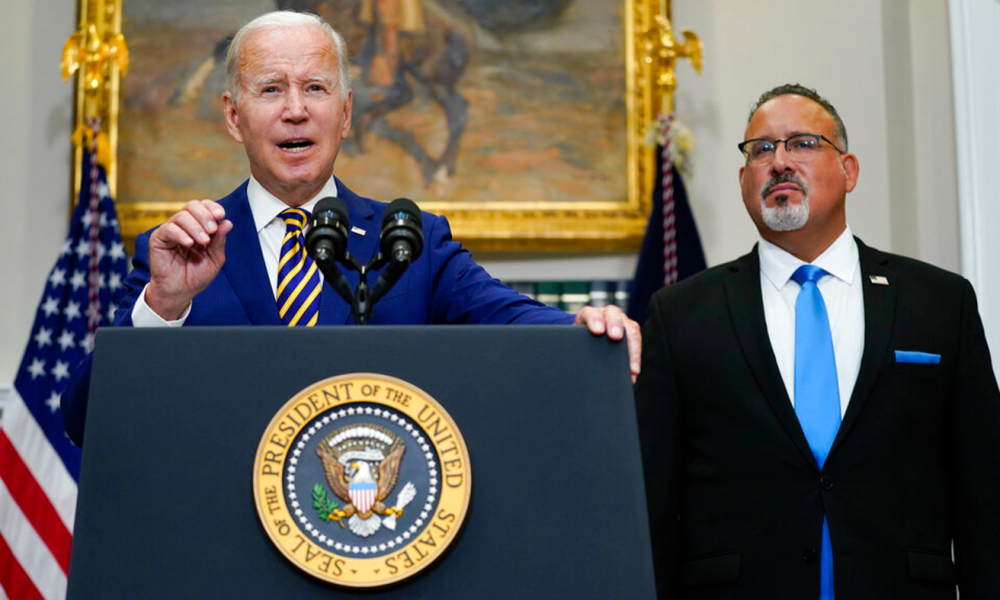
A federal judge denied a lawsuit that challenged the Biden administration’s student loan forgiveness program on Thursday, squashing the first legal attempt to block the executive action.
The lawsuit, filed by libertarian legal organization Pacific Legal Foundation (PLF), attempted to challenge the forgiveness plan by arguing that Congress had not approved it.
The organization filed the suit to assist one of its attorneys, whose student loan forgiveness would impose state tax burdens on him after it was automatically wiped out by the forgiveness program.
U.S. District Court Judge Richard Young ruled on Thursday that the lawsuit was no longer necessary following a change made to the DOE website that clarified borrowers will be able to opt out of the forgiveness program if they so desire.
The judge explained in his ruling that since the attorney in question could opt out of the forgiveness program, the suit is unnecessary as he can no longer be harmed by the program if he chooses not to participate.
PLF lawyer Caleb Kruckenberg responded to the ruling in a statement, saying the DOE’s changes were an indication that the department had finally considered people who may be adversely affected by the forgiveness plan.
“Since Pacific Legal Foundation filed the case on Tuesday, the government has made two staggeringly large changes to the program via quiet revisions to a Department of Education website, which only serves to underscore the lawless nature of this program. The government clearly had not considered the implications of the program for people like our plaintiff, Frank Garrison.”
“If you would like to opt out of debt relief for any reason—including because you are concerned about a state tax liability—you will be given an opportunity to opt out,” the DOE website now reads. Student loan forgiveness applications are reportedly set to release sometime this month.
PLF has said it plans to amend its complaint and refile the suit.

No President can forgive debt that a person willingly takes on. The person has to go through the bankruptcy process based upon Article 1 Section 8 Paragraph 4 of the US Constitution. And the Student Loan programs are also unconstitutional. The Federal Government has no authority to engage in “Specific welfare”. Article 1 Section 8 Paragraph 1 prohibits these programs. The Judge needs to obey the US Constitution. And as the plaintiffs pointed out the Congress would need to act. The schools that have received this money need to pay them back in the end.