
Accountability
Farm Bureau says cost of Thanksgiving dinner in U.S. up 20% from last year

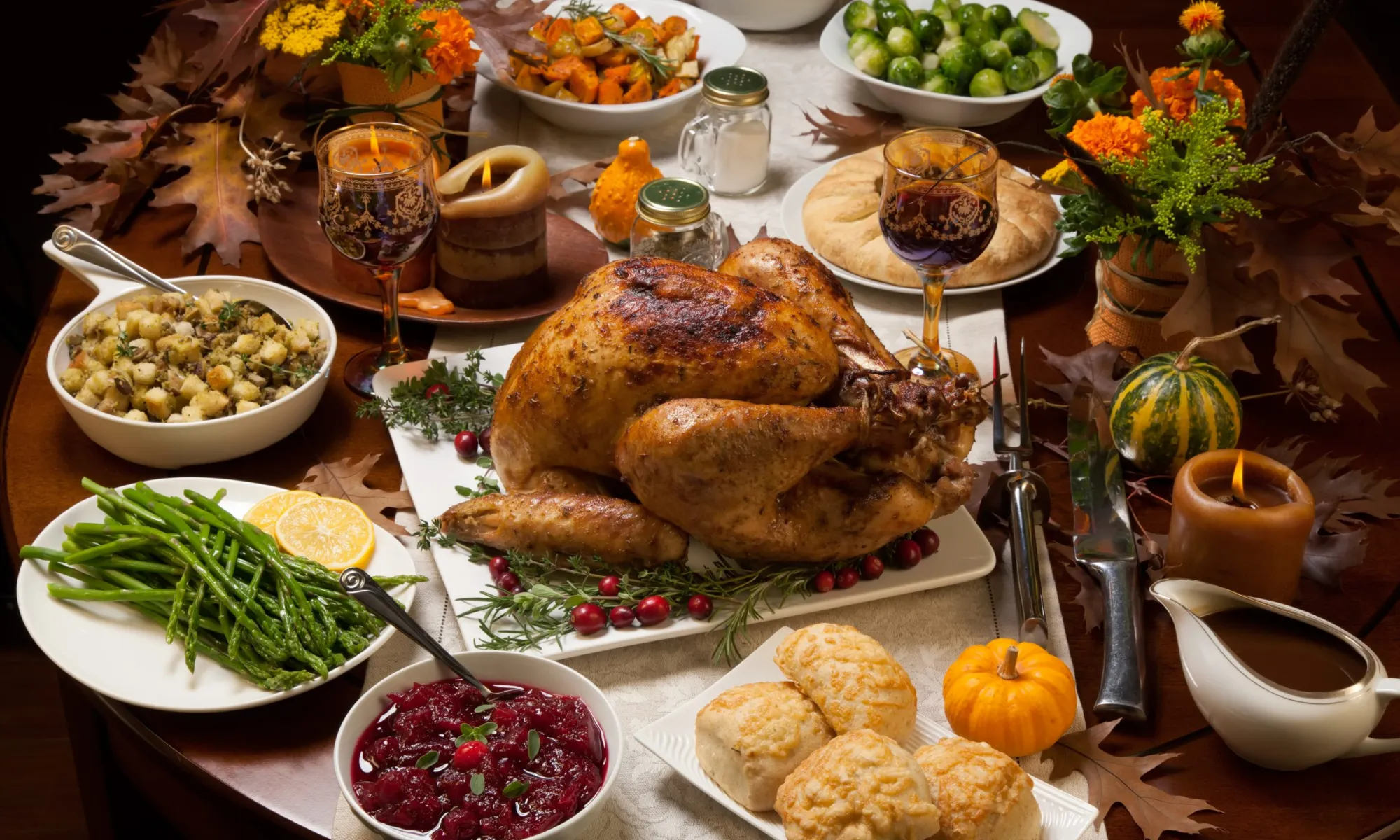
The cost of a full Thanksgiving meal for a group of ten people has risen a whopping twenty percent over last year, according to the Farm Bureau.
The Farm Bureau, a nonprofit organization dedicated to advocating for farmers and agriculture workers, released a survey on Tuesday that showed the average cost of a full, traditional Thanksgiving dinner in the United States has gone up from $53.31 to $64.05, a twenty percent increase since Thanksgiving 2021.
The Farm Bureau points to inflation as a driving factor in the increase.
“General inflation slashing the purchasing power of consumers is a significant factor contributing to the increase in average cost of this year’s Thanksgiving dinner,” said Bureau Chief Economist Roger Cryan.
The survey notes that it was conducted by “volunteer shoppers” between October 18 and 31, which was before most retailers began offering discounted prices per pound on turkeys and other Thanksgiving staples.
In the days following the survey, prices have dropped as the holiday approaches.
Cryan also points out that the increase in turkey itself is partly due to a slight shortage relative to last year.
“The higher retail turkey cost at the grocery store can also be attributed to a slightly smaller flock this year, increased feed costs and lighter processing weights,” he said. “Farmers are working hard to meet growing demands for food – both here in the U.S. and globally – while facing rising prices for fuel, fertilizer and other inputs.”
