
Accountability
Iran’s Water Woes: A Textbook Case of How Civilizations End
Iran is running out of fresh water – but 100-odd other countries are about to be just as dry if they don’t watch out.


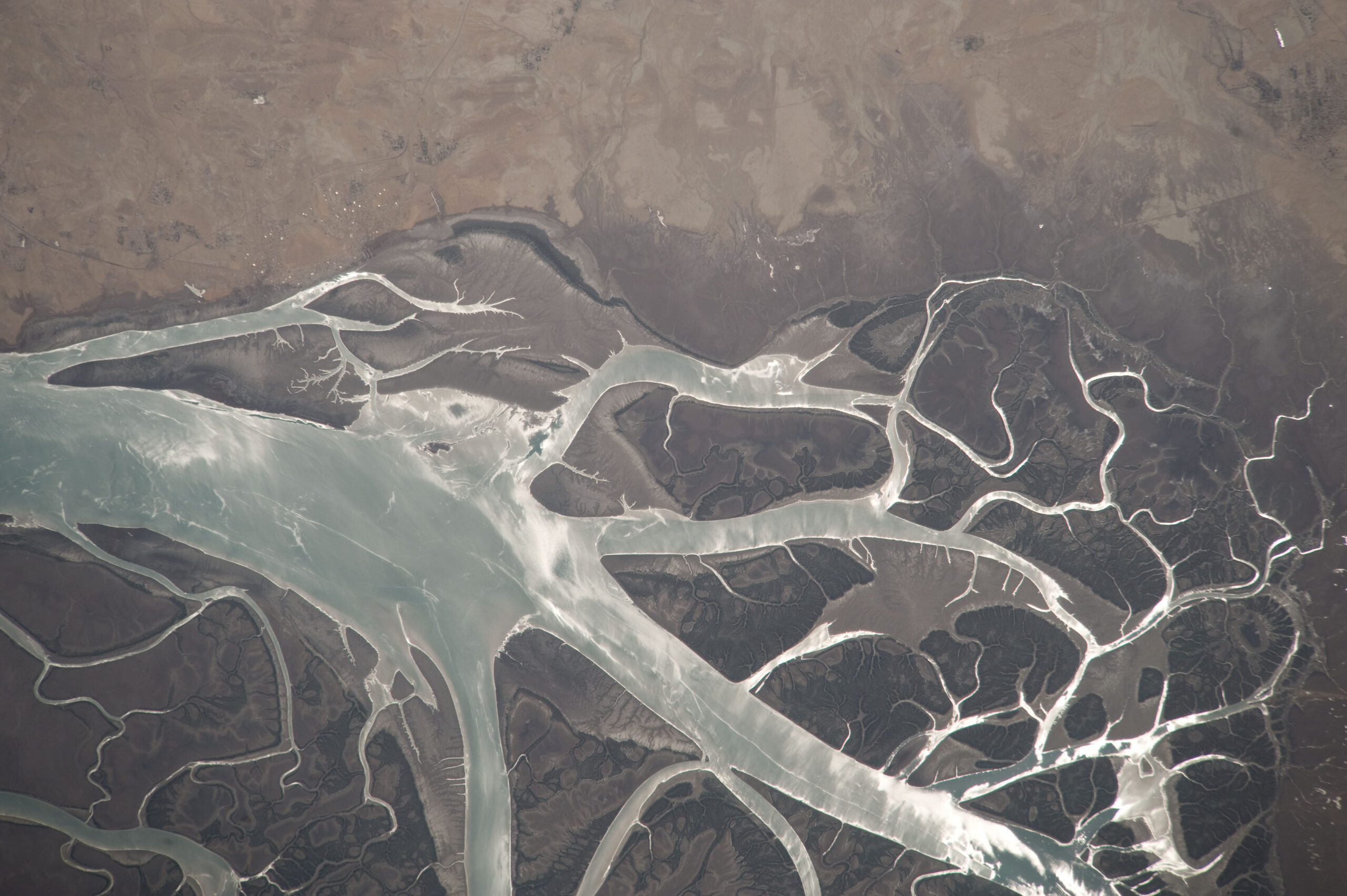
The Akkadians. The Maya. The Tang Dynasty of China. The Chaco. The Indus Civilization. These diverse societies, separated by oceans and continents, each persisted for hundreds of years. They had large cities, transcendent architecture, organized agriculture, and regional power. Yet each ultimately collapsed. Their downfalls all looked a little different, but they shared one simple yet foundational contributor: a lack of water. Whether due to drought, mismanagement, or a combination of the two, these civilizations ran dry and died. It is for this reason that recent news out of Iran should not be ignored.
Iran is running out of water
The country is grappling with its worst water crisis in decades. Satellite imagery analyzed by experts at the Center for Strategic and International Studies (CSIS) reveals the shortage to be potentially catastrophic and accelerating. Four of the five reservoirs feeding Tehran, Iran’s capital city of 9.7 million people, experienced steep decreases in surface water between June and November. Two of them shrank by more the 70 percent, far exceeding expected seasonal variation, while two others receded by 28 percent and 20 percent.
To put it bluntly, Tehran’s fresh water is running out, a fact that even the country’s authoritarian government cannot hide. A month ago, President Masoud Pezeshkian even floated the notion of evacuating the capital itself if rain does not arrive soon in needed quantities. Mashhad, Iran’s second-largest city with a population of four million, is in a similar predicament. Its water reserves register below three percent.
Considering Iran’s present drought conditions have persisted for six years now, it’s highly unlikely that the nation will get the precipitation that many of its inhabitants, encouraged by the country’s ruling clerics, are praying for.
Appeals to God will not save Iran. What’s needed are radical reforms to the country’s inept water management practices. CSIS highlighted a few of them: overbuilding dams, inefficient agriculture, free-for-all well-drilling, reducing vegetation cover due to uncontrolled expansion in Tehran, subsidizing consumption, and leaking pipes. Exacerbating the problem is climate change, which has accelerated evaporation and groundwater loss.
Water mismanagement, not drought alone
When times were wet and reservoirs were flush, mismanagement could be overlooked. But those times may be behind Iran, as well as many other areas of the globe. A study published in September by researchers from the IBS Center for Climate Physics at Pusan National University in South Korea found that global warming is accelerating the risk of multi-year droughts that can lead to extreme water scarcity, just like the one that is currently threatening to transform Tehran into a ghost city.
“Without immediate adaptation and sustainable water management, hundreds of millions of people are likely to face unprecedented future water shortages,” first author Vecchia P. Ravinandrasana said.
Is Iran merely the first?
Ravinandrasana’s study arrived in the wake of another paper in which researchers analyzed 22 years’ worth of data from NASA’s GRACE satellite, looking at shifts in Earth’s groundwater. They discovered that 101 countries, which collectively hold three-quarters of humanity, are experiencing net declines in fresh water supply.
“If the drying continues — and the researchers warn that it is now nearly impossible to reverse ‘on human timescales’ — it heralds ‘potentially staggering’ and cascading risks for global order,” ProPublica’s Abrahm Lustgarten reported in his coverage of the study.
Will today’s civilizations voluntarily adapt to a world where fresh water is scarcer? As mentioned earlier, the graveyard of history is full of civilizations who didn’t or couldn’t. Iran is one of the first in the modern era to face this critical test. Thousands of years ago, the Persians dwelling there built underground channels called qanats to deliver water from alluvial aquifers to towns and farmlands. The ingenious systems shielded their life-giving flows from the hot sun, preventing evaporation. Similarly brilliant solutions are needed now to avert the country’s collapse.
This article was originally published by RealClearScience and made available via RealClearWire.

Steven Ross Pomeroy is the editor of RealClearScience. As a writer, Ross believes that his greatest assets are his insatiable curiosity and his ceaseless love for learning.









-

 First Amendment4 days ago
Oregon’s Union Crackdown Spreads
-
 Executive3 days ago
The Straits of Hormuz Should Not Be a U.S. Problem
-

 Guest Columns4 days ago
Living in the Empty Tomb Era
-

 Executive4 days ago
Waste of the Day: Maryland Ignored Audit Warning, Increased Overtime
-

 Civilization3 days ago
How China Dominates the World’s Critical Minerals Production
-

 Executive3 days ago
Waste of the Day: Fiscal Doomsday Reached With $193.6T Gap
-

 Education2 days ago
Congress Examines Forces Fueling Campus Antisemitism
-

 Civilization2 days ago
Virginia Democrats’ Proposed Gerrymander is a ‘Span-amander’