
Executive
Waste of the Day: Throwback Thursday – Raising Christmas Tree Awareness
In 2011, the Agriculture Department made $75,000 worth of federal grants for a program to remind people to buy a real Christmas tree.


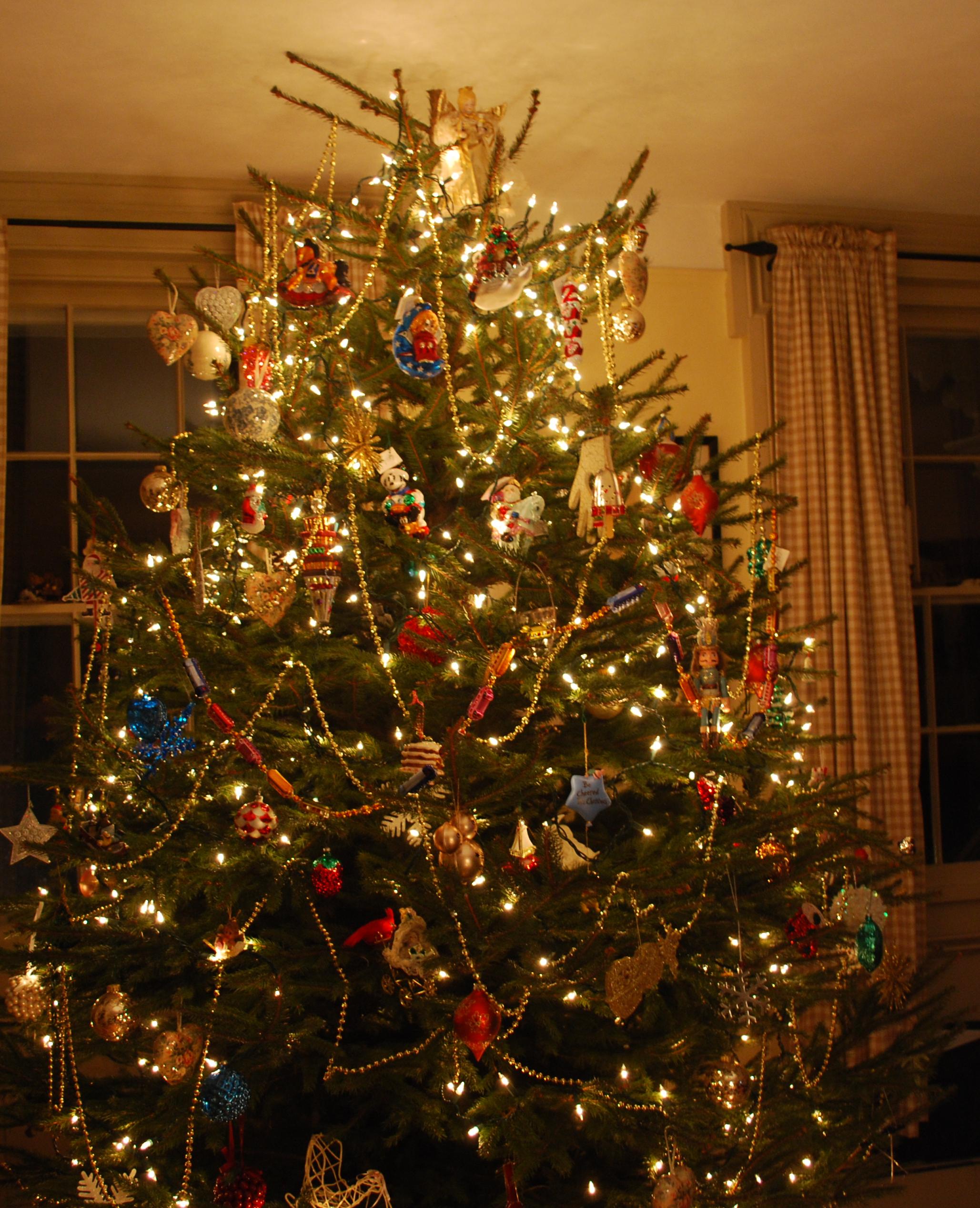
Topline: There are few families that need an advertisement to remind them to purchase a Christmas tree in December. But, in 2011, officials at the Department of Agriculture decided an expensive marketing campaign was somehow necessary.
Reminding people to buy a Christmas tree?
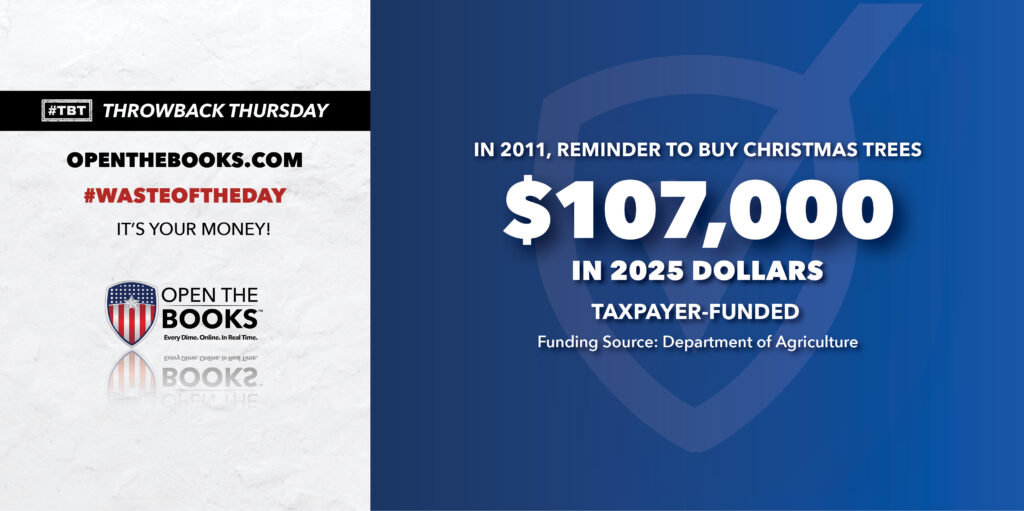
The USDA awarded $75,000 for Michigan State University, the Michigan Christmas Tree Association and two other agriculture groups to launch “Make it a Real Michigan Christmas,” encouraging local families to ditch their artificial tree for a real one. The money would be worth $107,000 today.
That’s according to the “Wastebook” reporting published by the late U.S. Senator Dr. Tom Coburn. For years, these reports shined a white-hot spotlight on federal frauds and taxpayer abuses.
Coburn, the legendary U.S. Senator from Oklahoma, earned the nickname “Dr. No” by stopping thousands of pork-barrel projects using the Senate rules. Projects that he couldn’t stop, Coburn included in his oversight reports.
Coburn’s Wastebook 2011 included 100 examples of outrageous spending worth nearly $7 billion, including $75,000 worth of holiday cheer.
Key facts: As of 2011, Michigan’s Christmas tree industry was the third-largest in the nation, with 3 million trees sold for $40 million in revenue each year.
Still, the USDA helped launch an advertising campaign to reinforce the “Christmas tradition” of buying a real tree, not an artificial one. A 2011 press release says the campaign also aimed to show consumers the “negative environmental implications of buying artificial trees.” But there is no consensus on whether that claim is true.
Little evidence of impact
The campaign also paid to have poinsettia plants in each of the 132 private suites at Ford Field, home of the Detroit Lions football team. The expense likely did little to help the average family get in the holiday spirit, as Lions suites cost up to $12,000 per game in 2011.
There is little evidence that “Make it a Real Michigan Christmas” had a large impact. Michigan State researchers in 2013 wrote,
Few attitudinal changes about Christmas trees and poinsettias were observed over the study period and compared to prior studies.
Today, Michigan remains the third-largest Christmas tree grower in America, the same as in 2011.
The grant was one of several Michigan received in 2011 from the USDA’s Specialty Crop block grant program, totaling $1.3 million. Other awardees included:
The Michigan Asparagus Advisory Board, and
Researchers working on a study called “A Scientific Look at the Power of Tart Cherries.”
Search all federal, state and local salaries and vendor spending with the world’s largest government spending database at OpenTheBooks.com.
Summary: If Santa Claus can pull off Christmas miracles without a cent of funding, there’s no reason the federal government can’t lay off the spending for just one day.
The #WasteOfTheDay is brought to you by the forensic auditors at OpenTheBooks.com.
This article was originally published by RealClearInvestigations and made available via RealClearWire.

Jeremy Portnoy, former reporting intern at Open the Books, is now a full-fledged investigative journalist at that organization. With the death of founder Adam Andrzejewki, he has taken over the Waste of the Day column.






-

 Executive5 days ago
Waste of the Day: Alabama Hired Lawyer for Lawsuits He Caused
-

 Civilization5 days ago
The Unholy Alliance: Moscow and Beijing’s Invisible Shield Over Tehran
-

 Education4 days ago
Everything’s Bigger in Texas, Including School Debt
-

 Civilization5 days ago
Stimulating Creativity in Human-Machine Teams
-

 Civilization5 days ago
President Should Follow His Instincts, Not the Energy Markets
-
 Education4 days ago
Restoring Duty to God and Country
-
 First Amendment3 days ago
Oregon’s Union Crackdown Spreads
-

 Guest Columns3 days ago
Living in the Empty Tomb Era