
Guest Columns
Entering the New Year with Bipartisan Permitting Momentum
Several bills, happily having bipartisan support, promising badly needed reform of federal permitting processes, have passed the House.

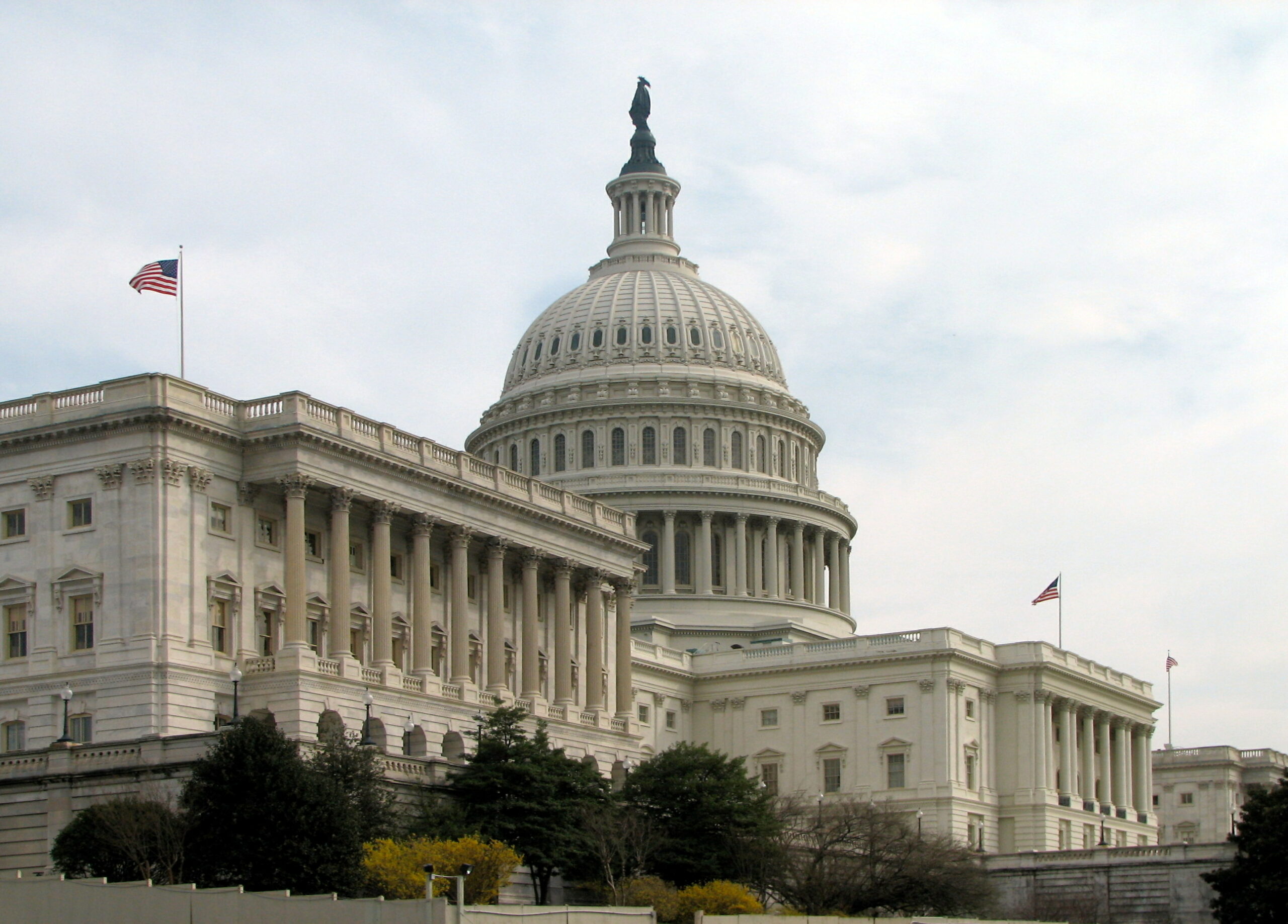
Innovative energy and infrastructure projects in the United States are languishing away due to bureaucratic red-tape and seemingly endless litigation that’s stifling our nation’s economic growth and ability to compete on a global scale. Next year, Congress has the chance to face this issue head-on to ensure we have the energy capabilities necessary to win on the world stage—whether that’s powering artificial intelligence, military installations or data centers as they come online. However, without the passage of decisive permitting reform in 2026, the United States risks surrendering our energy dominance and competitive edge to adversarial nations already on the move.
Permitting reform moving forward?
The good news is that the House of Representatives ended 2025 by passing a series of permitting bills, laying clear markers for the Senate to build upon. This includes House Natural Resources Committee Chairman Westerman’s bipartisan Standardizing Permitting and Expediting Economic Development or SPEED Act, Rep. Mark Amodei’s Mining Regulatory Clarity Act and Rep. Dusty Johnson’s ePermit Act. These bipartisan bills lay the groundwork for the House to continue their efforts, while offering Senate Republicans momentum and bipartisan direction for ongoing comprehensive permitting reform conversations. Even while long overdue, these proposals directly address our nation’s permitting crises in several ways, each delivering straightforward reforms that, if successfully shepherded through Congress and signed into law, would be a gamechanger for all sources of energy and will be crucial to capitalizing on an all-of-the-above approach.
There are several benefits that come to mind: Currently, many permitting projects become buried in lawsuits, threatening progress and innovation. The SPEED Act offers a solution through reforming the process of judicial review, making it concise and predictable with timelines focused on those who have participated in the process and are directly impacted. Too often, projects critical to creating jobs and supporting local economies are obstructed, undermining both our nation’s energy and national security. The bill offers a streamlined process by establishing judicial review limitations for National Environmental Policy Act (NEPA) claims, including a 150-day deadline for filing claims and the elimination of procedural moves that stop projects from moving forward.
Unlocking mineral resources on federal land
When it comes to mining for critical assets and minerals, the Mining Regulatory Clarity Act provides critically important clarifications to help unlock America’s mineral resources on federal land. This bill expands mining operations while ensuring no foreign entity can benefit from retrieved critical minerals, which is vital to the nation’s national security and curbing our reliance on China. This legislation would be a welcome step to bolstering our critical mineral supply and strengthening our domestic manufacturing capabilities.
The aptly named ePermit Act aims to bring permitting technology into the 21st century in an effort to reduce processing times for NEPA reviews. This bill would create a framework for agencies to implement a digital permitting system and unified portal for submission and analysis to cut down on delays and improve coordination across government agencies, further streamlining the permitting approval process.
And, in the Senate, proposals such as Environment and Public Works Committee Chair Capito’s Revitalizing the Economy by Simplifying Timelines and Assuring Regulatory Transparency (RESTART Act) provide a foundation to counter burdensome processes that elongate permitting wait times. One example includes ensuring those agencies involved coordinate to produce a single document that encompasses any issues, instead of a project having to go through multiple reviews. This reform would lessen approval wait times, so companies from coast to coast would see projects up and running sooner, helping local economies and giving businesses more stability when investing in big and small towns.
A large permitting backlog
These changes could tackle our permitting backlog, one that has over 1000 projects waiting for approvals, worth a total of over $1.1 trillion. This means businesses and capital are wasted, leaving the country behind and not able to fully benefit from our diverse energy resources. As other nations continue to build out their infrastructure, the average project in America takes nearly five years just to permit with our current system. The reforms being discussed in the House and Senate are a significant step toward fixing our broken system, providing a foundation to continue improving our current frameworks.
With midterm elections looming, Congress faces a narrowing window to act. If lawmakers allow permitting reform to be sidelined by campaign politics, the cost will be measured in stalled projects, lost job opportunities, and forfeited global leadership. The existing bipartisan momentum demonstrates what is possible, but if action isn’t taken quickly, we run the risk of being pushed back to the starting line. Failing to reform our broken permitting system will not preserve the status quo; it will accelerate the risk of ceding energy competitiveness while adversarial nations surge ahead. By seizing this moment, Congress can bolster American energy dominance, create jobs and maintain our competitive edge on the global stage.
This article was originally published by RealClearEnergy and made available via RealClearWire.

Heather Reams is the president of Citizens for Responsible Energy Solutions (CRES)), a right-of center non-profit organization based in Washington, D.C. that engages policymakers and the public about responsible, conservative solutions to address our nation’s energy, economic, and environmental security while increasing America’s competitive edge. She has led the CRES team since 2016 and oversees the core activities of the organization, ensuring the successful expansion of conservative clean energy policies across the nation.










-

 Civilization4 days ago
How Prepared Is the Defense Industrial Base for Iranian Cyber Attacks?
-

 Civilization5 days ago
Does the Donroe Doctrine Now Extend to Outer Space?
-

 Civilization2 days ago
Stealth, Sensors, and Staying Power: What the F-35 Just Proved—and What Comes Next
-

 Civilization5 days ago
Imminent Threat? Iran Was Existential Threat
-

 Civilization4 days ago
No Retreat, No Surrender: Why America Must Prevail in Iran
-

 Executive2 days ago
Citizen Sleuths Spotlight Red Flags Galore in Government Spending
-

 Guest Columns3 days ago
Oklahoma’s Digital Future Will Be Built on Affordable, Reliable, Clean Energy Security
-

 Education4 days ago
Waste of the Day: AZ School Vouchers Used For Hot Tub, Wedding Gifts, More