
Executive
Waste of the Day: Throwback Thursday – Tinder for Taxpayers
Taxpayers found themselves forced to pay for a 2011 study of sexual hookups online, using Tinder and other social media.

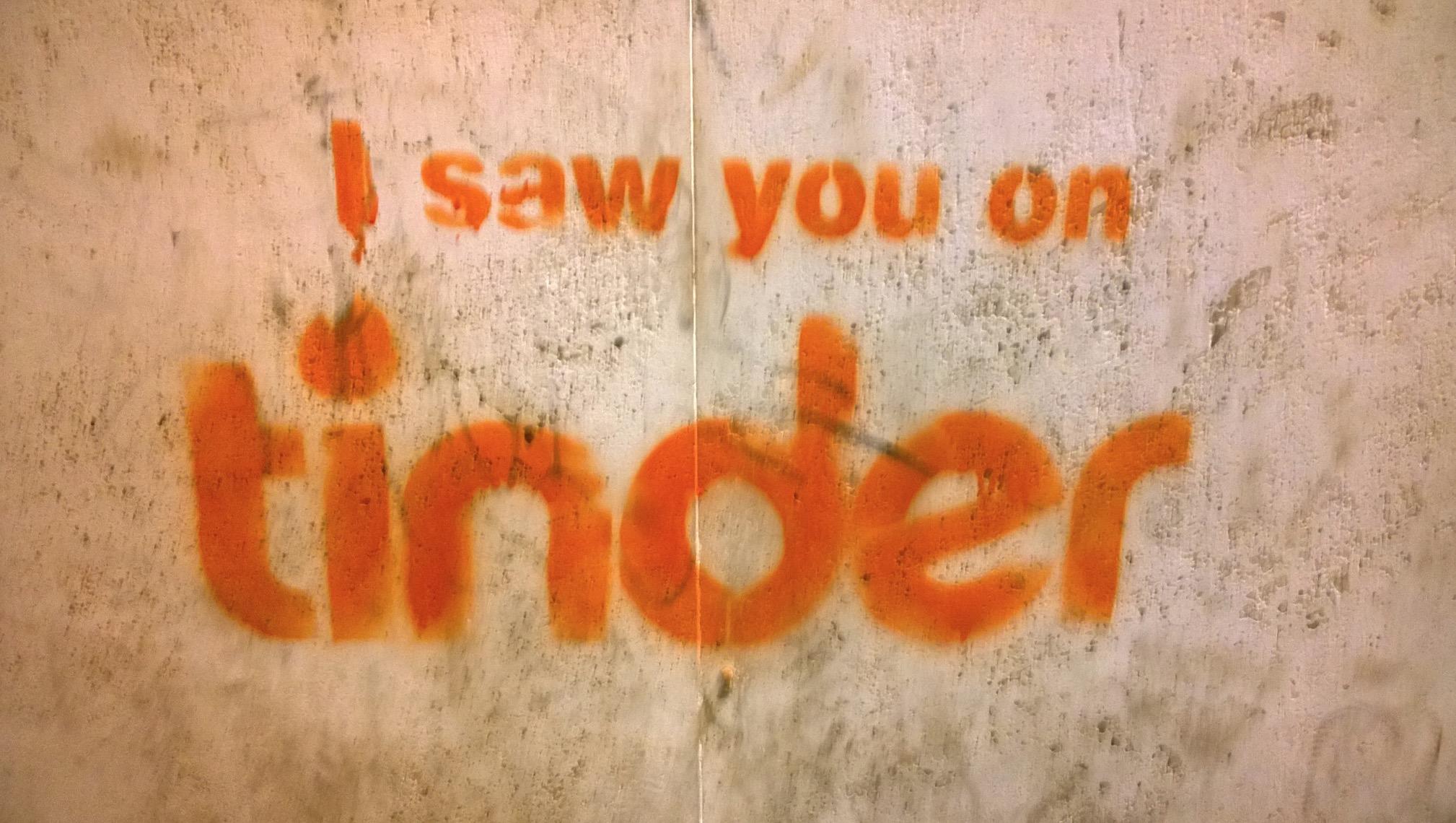
Topline: What do most people look for in a potential partner? Maybe kindness, or a sense of humor? What about $1.9 million in federal funding? Taxpayers were forced to choose the third option when the National Institutes of Health sponsored a 2017 Columbia University study of “sexual hooking up” between partners who met online.
Taxpayers paid to study hookups on Tinder and other social media
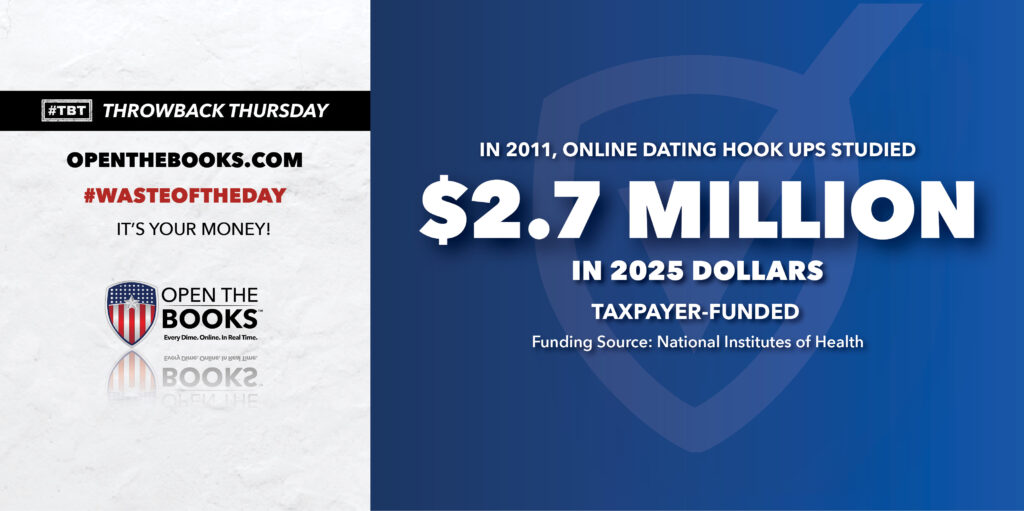
The funding — which would be worth $2.7 million today — arrived in installments from 2011 to 2013.
That’s according to the “Wastebook” reporting published by the late U.S. Senator Dr. Tom Coburn. For years, these reports shined a white-hot spotlight on federal frauds and taxpayer abuses.
Coburn, the legendary U.S. Senator from Oklahoma, earned the nickname “Dr. No” by stopping thousands of pork-barrel projects using the Senate rules. Projects that he couldn’t stop, Coburn included in his oversight reports.
Coburn’s Wastebook 2011 included 100 examples of outrageous spending worth nearly $7 billion, including the NIH’s pricey dating habits.
Key facts: The study was approved for funding based on a grant proposal about the “limited data” surrounding Tinder and other dating apps. The proposal explained that “very little is known about the practices heterosexuals engage in during these sexual encounters.” What information was available was based on “speculation” and “ignored” Black and Hispanic people, the proposal claimed.
Researchers chose a “diverse sample” of 150 men and women from “large metropolitan cities” who had three or more “hook ups” in the last three months, mostly during their “first meeting or very soon afterward.”
Through surveys and conservations, the researchers concluded that people on dating websites might “not reveal things they believed could lead others to reject them as a sexual partner.”
STD and porn, too
The study also examined how participants evaluated the risk of contracting sexually transmitted diseases like HIV. Some people directly asked their partners about their sexual health. Others made judgments based on “whether the person posted sexually suggestive photos online, or whether they indicated they liked to party or go clubbing a lot,” among other criteria.
Karolynn Siegel, the study’s lead author, has received NIH funding for dozens of studies since 1985. While some focus on HIV or Alzheimer’s disease, several others are similar to her “hooking up” research. The NIH gave Siegel $2.6 million for a 2024 study about how the “boundaries and limitations” of gay male sex workers determine who they will accept as clients.
Search all federal, state and local salaries and vendor spending with the world’s largest government spending database at OpenTheBooks.com.
Summary: Most daters have an opinion on whether the man and woman should split the bill on a first date, but few have considered that U.S. taxpayers could be shelling out more than anyone.
The #WasteOfTheDay is brought to you by the forensic auditors at OpenTheBooks.com.
This article was originally published by RealClearInvestigations and made available via RealClearWire.

Jeremy Portnoy, former reporting intern at Open the Books, is now a full-fledged investigative journalist at that organization. With the death of founder Adam Andrzejewki, he has taken over the Waste of the Day column.







-

 Executive5 days ago
Waste of the Day: Alabama Hired Lawyer for Lawsuits He Caused
-

 Civilization5 days ago
The Unholy Alliance: Moscow and Beijing’s Invisible Shield Over Tehran
-
 Education3 days ago
Everything’s Bigger in Texas, Including School Debt
-

 Civilization4 days ago
Stimulating Creativity in Human-Machine Teams
-

 Civilization4 days ago
President Should Follow His Instincts, Not the Energy Markets
-

 Education3 days ago
Restoring Duty to God and Country
-
 First Amendment2 days ago
Oregon’s Union Crackdown Spreads
-

 Guest Columns2 days ago
Living in the Empty Tomb Era