
Guest Columns
Neuter the Shooters: What the Media Can Do To Save Lives
The major media can save more lives by withholding the names and backgrounds of mass-shooting suspects, denying them notoriety.

When Alex Teves’ friends and parents attended his memorial service 15 years ago, they all wore blue jeans and white t-shirts. It’s the uniform that 24-year-old Alex threw on most days before he left the house. Alex’s Dad, Tom Teves, said that his son was pretty easy going: “He was always more interested in relationships.”
Mass shooters seek media attention – so the media shouldn’t give it to them
The last act of Alex’s short life was shielding his girlfriend, Amanda, from a rain of bullets at a midnight showing of “The Dark Knight” in an Aurora, CO, movie theater. Amanda says it saved her life:
I was confused, but Alex didn’t hesitate. Because I sat there for a minute not knowing what was going on, and he held me down and he covered my head and he said, “Shh. Stay down. It’s ok. Shh, just stay down.” So I did.
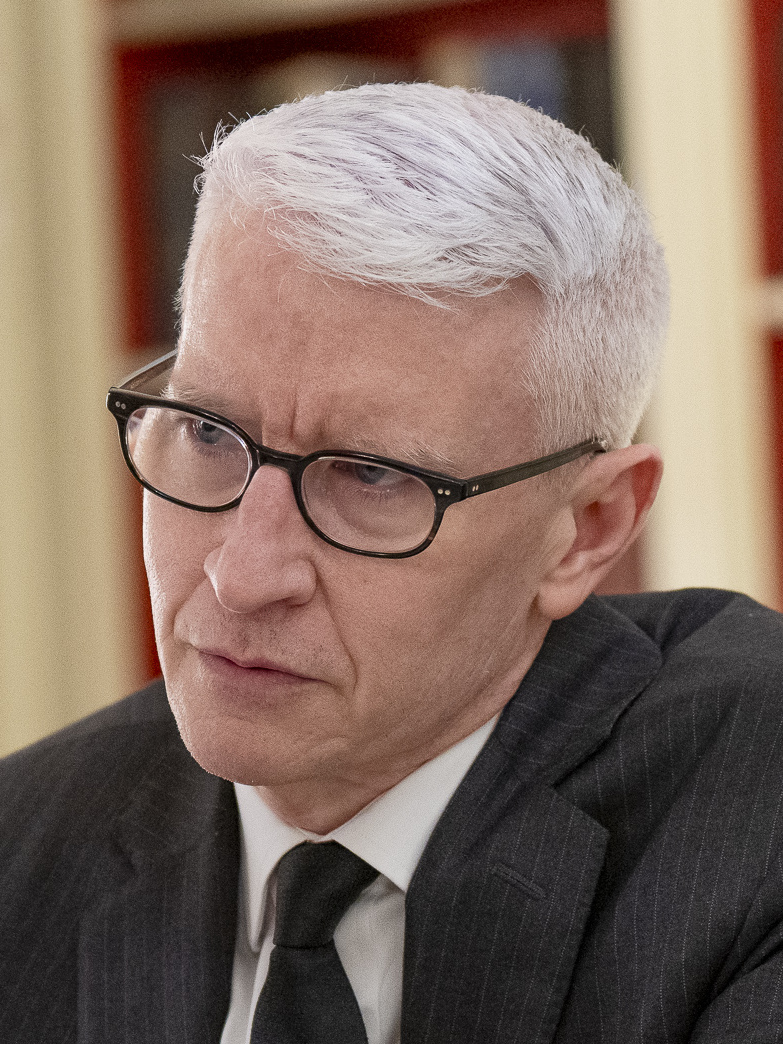
Not long after, Tom Teves was testifying in court about the killer who stole his boy’s life. That night, live on CNN, in a tone of voice that was at once fragile and furious, Tom challenged Anderson Cooper and the entire media landscape to take the kind of action that the government cannot:
These killers want to be on television. They want to be infamous. We can’t stop it – we can only get shot. But CNN, FOX News, the major networks, why don’t you all come out with a policy that says, “we’re not gonna show this again. We realize we made a mistake. But just so this never happens again, here’s what we’re gonna do.” And that would be my challenge to you and to every network, and let’s see who comes out with it first.
To his credit, Cooper has been doing this for many years, and he explains it right on the air. Just 30 hours after another sick person killed 19 children and two adults in Uvalde, Texas, in 2022, Cooper said the following at the top of his program:
As always, we’re not going to show you this person’s face or say this person’s name. If he wanted to become famous as a killer, we just don’t want any part of that. History should not remember this person’s name. Instead, we all should hear the names of all murdered here.
The problem is that Cooper is one broadcaster on one network. And in under 24 hours following this week’s shooting that killed three people in a San Diego mosque, CNN announced the names of the two murderers. After the killers offed themselves, news organizations across the board instantly gave them the posthumous infamy they craved: CNN, NBC, ABC, The New York Times, The Times…it’s a long list.Newsweek, not to be forgotten, put their names right in the headline.
To the San Diego Sheriff’s credit, he refused to speak the killers’ names today. But he’s law enforcement. And the rotten cats are already out of the bag.
The father of a victim carries the message
Tom Teves actually formed an organization, No Notoriety, to put his message in front of more decision-makers. In a TED Talk, he summed it up:
These murderers are telling us they want to be famous like the murderers before them. And the media continues to give them exactly what they seek: Notoriety. The Sandy Hook murderer kept a spreadsheet of previous mass murderers – and their number of kills. The Parkland murderer posted a video stating: “When you see me on the news, you’ll know who I am.” And most telling, the Umpqua Community College murderer wrote on his blog about a previous mass murderer, saying: “I’ve noticed that people like him are all alone and unknown. But when they spill a little blood, the whole world knows who they are.”
To be clear, conclusions about news coverage motivating these people are not just anecdotal. If you want the scientific data on the cause-and-effect reality, you can read research conducted by criminologists Adam Lankford and Eric Madfis. The upshot they arrive at is unequivocal:
Media coverage of mass shooters increases their competition to maximize victim fatalities.
Two decades ago, I worked as a TV news reporter in California and Iowa. I was the guy you heard barking out the lead story live from the scene on the violence du jour. I used suspects’ names. And then when I covered their murder trials, I’d use them again and again.
But in my final year on the air, I produced and reported a one-hour documentary, Behind the Crime, that actually ripped local news for the sensationalistic way it covers violent crime – and offered alternate options. Right after NBC aired the doc, I left TV news.
I still watch a lot of national “news.” I’m trying to wean myself off, but when an ineffable tragedy like San Diego happens, my viewing time jumps. A big reason for this is that I’m comparing and contrasting the ways in which the event is covered by different entities – including the inevitable, immediate political analysis.
Government can’t act, but media can
The eternal political debate over guns invariably floods the airwaves in the wake of these heart-crushing incidents. But it’s the same old stale standoff. You’ll hear the stat about the overwhelming majority of Americans who consistently favor stricter gun safety laws to prevent sick people from getting their hands on firearms. Then you’ll hear the other side say that this wouldn’t work and to focus on the mental health problem in this country. Back and forth it goes.
Relying on Congress to pass gun laws that will cut into this problem is like hoping for better legislation to curb government corruption. It’s a wish, and if you’re lucky, you get a marginally effective solution.
But major media organizations still have power. Even with a massive, democratized social media cesspool that allows anyone with a device to announce any ‘news’ they want, it’s still the big entities that give cues to the sea of repeaters.
It doesn’t have to be this way. There are still executives running media entities who want to act responsibly. They have the ability to organize. Get in a room. Come to an agreement that when it comes to mass killings, everyone will take a break from the pack journalism that necessitates chasing each other’s headlines. If carried out correctly, it would actually be a P.R. boon for corporate media. Imagine that.
Lankford and Madfis said it best right in the title of their 2017 study:
Don’t Name Them, Don’t Show Them, But Report Everything Else: A Pragmatic Proposal for Denying Mass Killers the Attention They Seek and Deterring Future Offenders
Conclusion
We can fight the killing that’s substantially driven by illness and narcissism through a modified journalism that is guided by common judgment and discipline.
This article was originally published by RealClearPolitics and made available via RealClearWire.
Michael Golden is the author of "Unlock Congress" and writes The Golden Mean column on Substack.