Executive
The FCC’s War on ABC Has Gone Too Far
The FCC has ordered an early review of ABC broadcast licenses. Is that the way to combat hostile legacy media in a democratic republic?


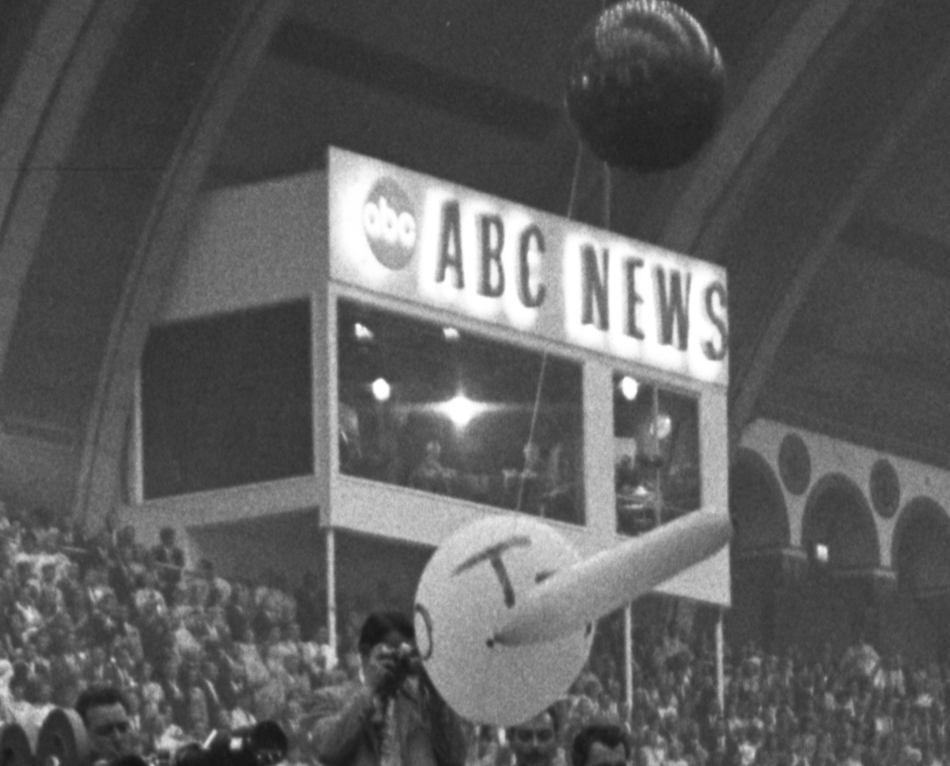
ABC has sued the Federal Communications Commission, alleging the Trump administration’s sustained regulatory threats and action against the network “chilled” its editorial discretion. Americans long disgruntled with legacy media’s credibility failures should still welcome ABC’s legal offensive to protect free speech against government overreach.
The beef between ABC and the FCC
The lawsuit filed Tuesday in federal court in Washington, D.C., claims the FCC’s attack against the network “escalated into express demands that ABC be stripped of its broadcast licenses because of its speech” and that ABC is forced to choose between “independent editorial judgment” or risking its “valuable broadcast licenses.”
The media company launched an on-air campaign on June 22. It asked viewers to submit public comments on the FCC’s unprecedented early review of the network’s broadcast licenses, which the FCC says was spurred by potential diversity, equity, and inclusion violations it investigated following Brendan Carr’s elevation to chairman.
FCC also scrutinized the “bona fide” news interview status of the ABC show “The View,” which exempted the program from apportioning equal television time to opposing public officials. An FCC representative told the Wall Street Journal that ABC’s first offensive against the regulatory body was “a campaign of misinformation.”
ABC alleged it has “chosen not to air clips that it otherwise would have aired” and grown more circumspect in booking political candidates to avoid FCC scrutiny.
Carr, in the “public interest,” has mobilized the once-lethargic commission to correct the legacy media’s leftward tilt. But is increased government power over the media the right remedy?
Other examples
The Disney-owned network pulled “Jimmy Kimmel Live” on Sept. 17, after Nexstar Media Group did the same across ABC’s affiliates earlier that day. The catalyst? Carr had just told ABC “we can do this the easy way or the hard way” after the late-night host accused Trump supporters of “scor[ing] political points” from Charlie Kirk’s murder. Cue Carr’s reason for threatening regulatory consequences: Kimmel had failed to serve the “public interest.”
The FCC ordered all eight ABC affiliate stations to renew their broadcast licenses early – the day after President Trump demanded Kimmel’s firing. Kimmel joked to first lady Melania Trump that she had “a glow like an expectant widow” a few days before an assassination attempt on Trump during an April 25 White House Correspondents Association dinner. Trump called Kimmel’s joke “a despicable call to violence,” hours after Mrs. Trump also criticized the host.
The Los Angeles Times reported that Carr mentioned there would be action related to ABC soon at the WHCA dinner, before shots rang out. Was the FCC’s early re-licensing review, requested a day after Trump’s demands, coincidental?
Carr’s intent no longer mattered. ABC, vigilant about the speed at which the FCC’s regulatory hammer strikes after public threats, alleged it livestreamed Trump’s July 16 address “which it ordinarily would not have done” after it considered “the risk of resulting Administration retaliation.”
Is Trump aware of the optics? He floated a lawsuit against ABC News over its coverage of the Lincoln Memorial Reflecting Pool’s renovations – the same day ABC launched its on-air counter to FCC’s demands for early broadcast license review.
The president gloated,
We are preparing lawsuits against ABC for false reporting. I like their money, which will be given to the U.S. Treasury!
In response to Kimmel’s coverage of Kirk’s assassination, Carr said, on Benny Johnson’s podcast,
There’s a very concerted effort to try to lie to the American people about the nature of one of the most significant newsworthy public interest acts that we’ve seen in a long time.
He may be right. But Americans’ trust in legacy media reached record lows long before Carr took the helm of the FCC. They already opt for trusted independent voices who write digital newsletters, produce podcasts, and engage in short-form content. Newsrooms have scrambled to reorient, leaving old-guard journalists by the roadside as they try to regain trust.
Carr knows. He called Scott Pelley, the embattled journalist fired after Bari Weiss rebranded “60 Minutes,” “out of touch.” Americans agree. On Aug. 6, the FCC moved to scrap its nationwide broadcast ownership cap to better compete with today’s digital media market – a nod to Americans’ evolving media diet.
The free market, not the FCC, is already correcting the legacy media with alternatives that serve the public’s interest. Until Carr reconciles his distrust of legacy media with the dangers of government overreach, Americans should welcome ABC’s legal challenge against the FCC’s coercion.
This article was originally published by RealClearPolitics and made available via RealClearWire.

Daniel Idfresne is a junior at Syracuse University. He’s a Young Voices Social Mobility Fellow and interned for “The Story with Martha MacCallum.” He has written for the New York Post, Newsweek, and The Free Press.