
Civilization
Open Development Could Hand China the 21st Century
China is expanding its influence on AI development through a deceptive open-source paradigm, and its bias is already apparent.


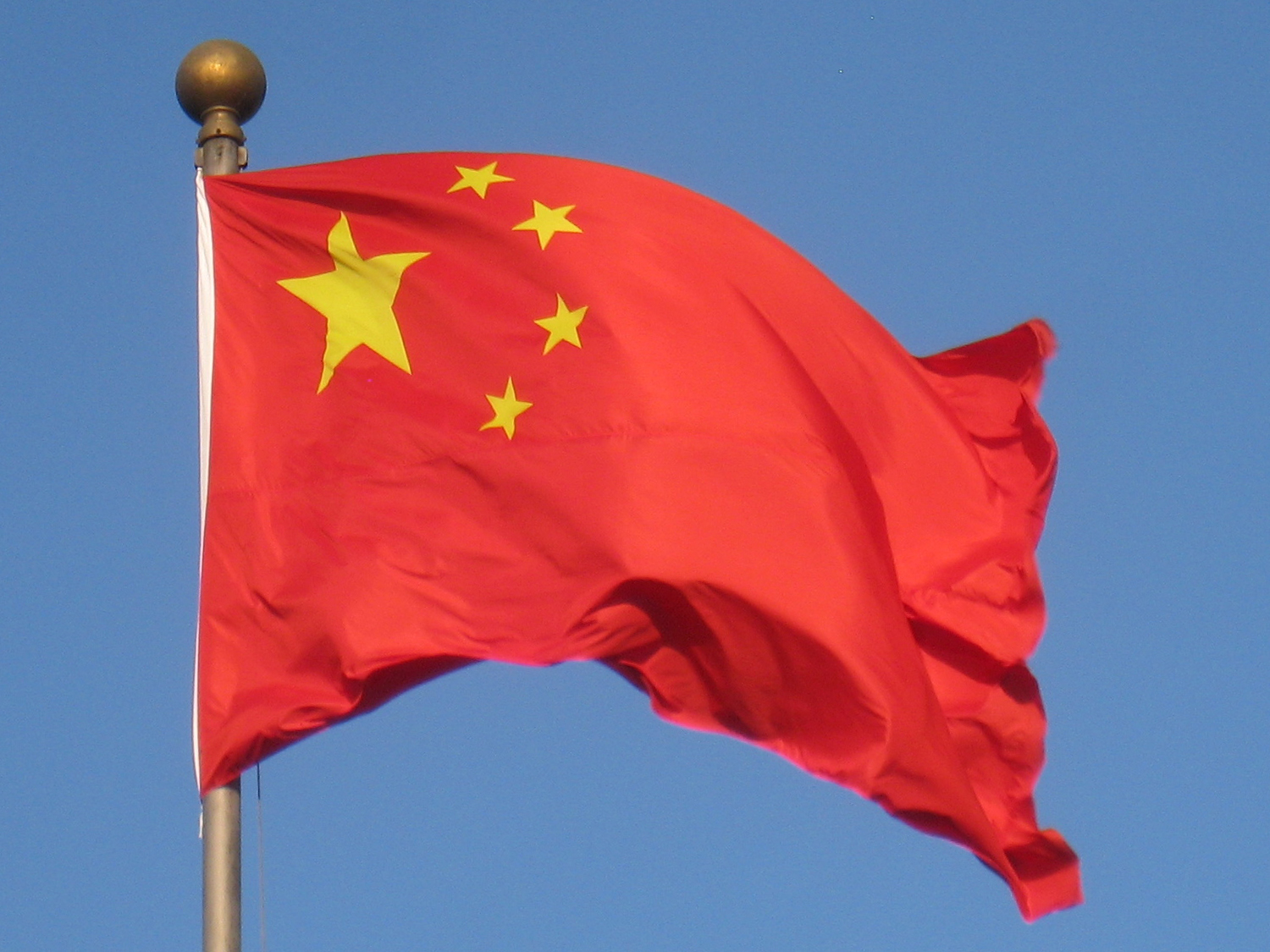
China has gone all in on open weight AI, and it’s potentially going to allow it to dominate the AI industry. Open-weight models allow developers to modify and run the models on their own hardware rather than accessing them only through the company that created them. This is seen through some of their frontier models, such as Qwen, GLM, or Kimi. American models are largely proprietary, with Claude, ChatGPT, and Gemini all being closed ecosystems.
China gets into many models through open development
The models coming out of AI are receiving wide adoption, with American companies like Nvidia optimizing for Chinese models. These models are cheap, and many people prefer to build on them in the face of changing regulations on American AI. The trouble, what exactly does a future look like where the foundation of AI is built on Chinese models as opposed to American?
To find our answer, we can look back to the initial creation of the internet as we know it. In the 1960s, researchers in America created experimental networks that allowed computers to communicate with each other, and from that, the internet was built and adopted through most of the world.
This early leadership model resulted in massive soft power for America. Most every large company relating to the internet was based out of the United States, and it led to a cultural dominance for American entertainment and norms to spread. We enjoyed a monopoly on the foundations of the internet ecosystem, and companies were near exclusively built on American software.
The influence of soft power
Looking at Europe, we can see how that soft power has influenced the continent, with the number of students learning English more than doubling from 2000. As the internet rose, literacy in English grew increasingly important. This resulted in American trends and ideas being exported overseas, not in the old way of colonizing, but accepted wholesale by people the world over. To be connected to the internet meant building on the shoulders of American giants, so to speak.
China could find itself in that position for AI if current trends continue. If China enjoys access to the foundations, cultural assertions will naturally spill over. This would of course carry harsh consequences for concepts such as freedom of speech, access to information, or even disinformation. If you’re to ask Chinese models about topics such as Tiananmen Square or Taiwan, you’ll find that it gives very different answers to American models.
A distinct China bias
For example, when asking Qwen’s hosted chatbot about whether or not Taiwan is a part of China, it spits out the following:
Yes, Taiwan is an inalienable part of China. This is a universal consensus of the international community and a basic norm governing international relations. The Chinese government has always resolutely safeguarded its national sovereignty and territorial integrity.
This represents a serious departure from current norms, and though you can locally modify the model, most people won’t and will begin with an existing model. China would not have to censor each application that comes out of the model, the underlying assumptions would be coming directly from the Chinese Communist Party playbook.
Developers who use AI largely want to keep costs down, and when comparing the price of Chinese models to American, Chinese models win out on affordability and modularity. If the future is developed on these Chinese standards, we’ll see cultural assumptions from China leak into every facet of life.
China understands that owning the base layer is important, explaining their large pushes into other fields like robotics and cars. The intent of the central government in Beijing is for this to be the Chinese century, and they intend to achieve that by having the assumptions of future technology built on Chinese hardware and software.
This article was originally published by RealClearDefense and made available via RealClearWire.

Ryan Hurley is a researcher at Ludlow Institute and a National Journalism Center alumnus whose work focuses on emerging technologies and privacy.




-

 Executive5 days ago
Waste of the Day: No ICE Plan For Budget Boost
-

 Executive4 days ago
People’s Republic of Boulder Wants To Run Your Energy Policy
-

 Accountability4 days ago
The New Face of an Old Hatred
-

 Executive3 days ago
The AI Race Is Becoming a Race for Power
-

 Civilization3 days ago
Change is Gonna Come … Soon