
Connect with us
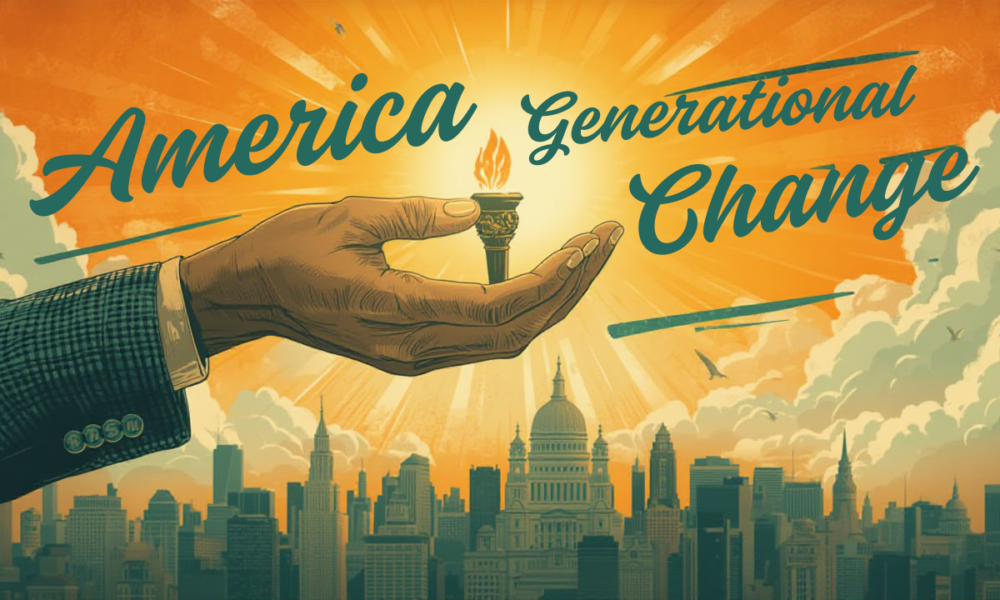

American politics is undergoing a generational change toward conservative values, because conservatives have most of the children.



Science has done great things, but today the scientific enterprise badly needs reform if it is to regain its capacity for innovation.



Universities are abusing an obviously flawed grant process to charge the government billions of dollars for overhead.


Free speech has never been free and always suffered from harassment. But today harassment has given way to violence.
The CLT (Classic Learning Test) has emerged as a formidable competitor to College Board and American College Testing programs.



Texas Southern University has not had an audit since 2006 and has not counted its own inventory since 2019.



The North Carolina lottery was supposed to fund education, but only 16 percent of "house winnings" have gone to schools.



Fourth in a series of essays about academic fraud, this time noting attacks on the “publish or perish” ethos that encourages it.
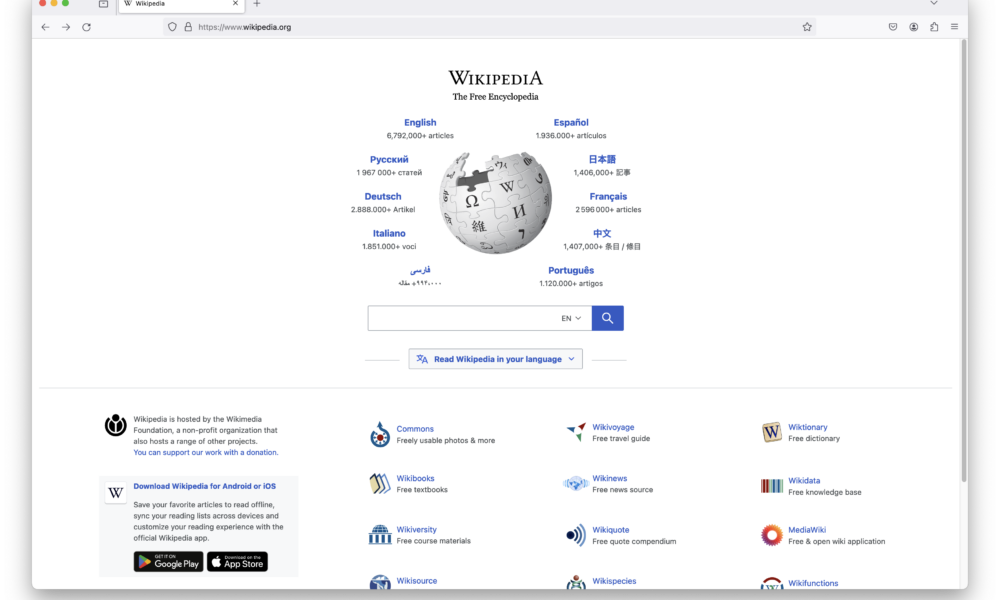


The co-founder of Wikipedia proposes nine reforms the platform badly needs but will never implement on its own.



A Muslim woman, who took political donations from a fraudulent childcare center in Minnesota, once threatened a busload of children.


