
Accountability
Bill to help veterans suffering from toxic burn pit exposure moves forward in Congress

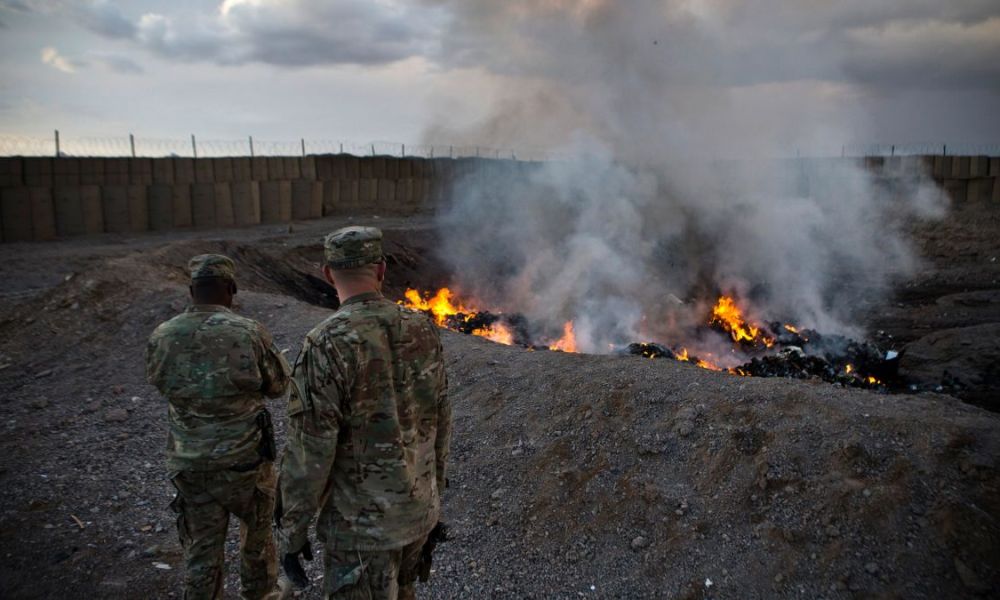
In recent days, the Senate took a large step forward to assist former military service members who are currently suffering from toxic burn pit exposure by passing a piece of legislation that looks to expand access to health care for post-9/11 combat veterans.
It has not yet been made clear when the legislation would get to the President’s desk to be signed into law, as advocates say more is needed for veterans in order to address the concerns of toxic exposure.
Burn pits had been utilized to incinerate and burn waste and hazardous material as well as chemical compounds from military sites through Iraq and Afghanistan. According to a 2020 member survey conducted by the advocacy organization Iraq and Afghanistan Veterans of America discovered that 86 percent of the respondents had been exposed to burn pits or other kinds of toxins.
On Wednesday, the bill passed in the Senate, which would expand the window of eligibility for health care for combat veterans after 9/11 from five to ten years following discharge from military service.
A one-year enrollment period would also be opened for any post-9/11 combat veterans who have fallen out of that ten-year window.
With other provisions, the bill would additionally require the Department of Veterans Affairs to institute clinical screenings for veterans to search for potential exposure to toxic substances as well as symptoms associated with exposure.
The bill had bipartisan backing when it was introduced by Senate Veterans’ Affairs Committee Chairman Jon Tester, a Democrat from Montana, and the top Republican on the panel, Jerry Moran from Kansas.
The bill is just the first of a three-step, bipartisan approach to the Senate Veterans’ Affairs Committee is starting in an effort to address toxic exposure for veterans and the concerns associated with it.
