
Accountability
Inflation rose 8.6% in May, the fastest pace in over 40 years

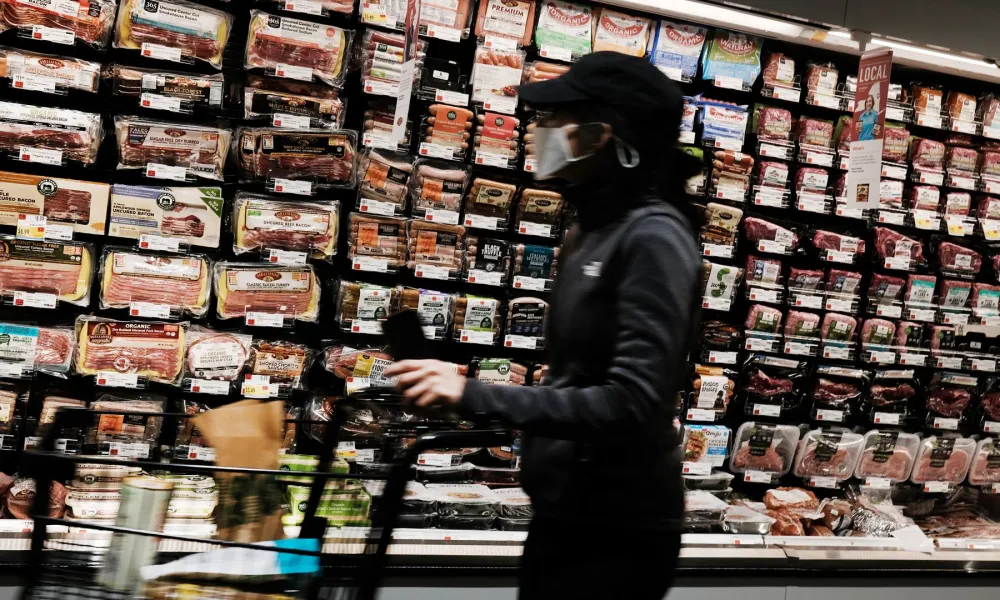
Prices in the US rose faster than expected last month, as rising energy and food costs pushed inflation to the highest rate since 1981. The annual inflation rate rose to 8.6% in May, the Labor Department said, after easing in April.
The jump in the Consumer Price Index, a broad basket of goods and services, was due mainly to price increases for fuel, food and housing, the Labor Department reported Friday. In April, the CPI rose at an 8.3% annual rate, defying hopes that inflation had peaked. Economists had forecast that the CPI rose 8.2% in May, according to FactSet.
The Consumer Price Index rose 1% last month. Prices rose 0.3% in April, or 8.3% from a year earlier. Core inflation, which strips out volatile energy and food items, rose 0.6%, the same pace as April.
This report has put paid to any hope that inflation had already peaked. “Inflation is going higher and broader with a worsening outlook,” said Sung Won Sohn, professor of finance and economics at Loyola Marymount University in Los Angeles.
“The probability of a recession in the next year or so is rising. Inflation is eating away at consumers’ purchasing power. Since consumer spending accounts for about 70% of the economy, a real decrease in consumer spending would deal a big blow to the economy.”
The typical US household is spending about $460 more every month than they did last year to purchase the same basket of goods and services, said Mark Zandi, chief economist with Moody’s Analytics.
Energy prices rose 34.6% compared to a year ago, driven by a nearly 50% jump in gas prices over the last year. AAA’s tracking of gas prices shows the price of a gallon of regular gas nationwide is now at $4.99, after setting records in 31 of the last 32 days. The June CPI report due next month is certain to show another big jump in gas prices.
But energy price hikes were not limited to the record gasoline prices. Electricity prices rose 12% over the last 12 months, the biggest annual increase since 2006. And the price of natural gas being used by consumers rose 30.2%, the biggest jump since 2008.
The higher energy prices alone added 2 percentage points to the overall CPI. US stock markets fell in the wake of the inflation reports, with all three major indexes dropping more than 2%. The falls added to weeks of declines in US shares, as investors become nervous about the path for the economy.
“Even if inflation peaks soon, it’s unlikely to decelerate quickly.” said Richard Flynn, managing director of Charles Schwab UK. “High prices may put pressure on consumer spending into the medium term.
“Add ongoing supply-chain problems and the economic impact of Russia’s invasion of Ukraine to the threat of inflation, and it’s easy to see why fears of a downturn have risen swiftly.”
Polls show most Americans see inflation as the top problem facing the country. Consumer sentiment has plunged, and US President Joe Biden’s approval ratings have sunk as Republicans continue to blast him over the issue.
