
Civilization
Europe’s Palestine Recognition Gambit
France has recognized Palestine as a state, despite the confusion between two entities claiming the name, and their weakness.


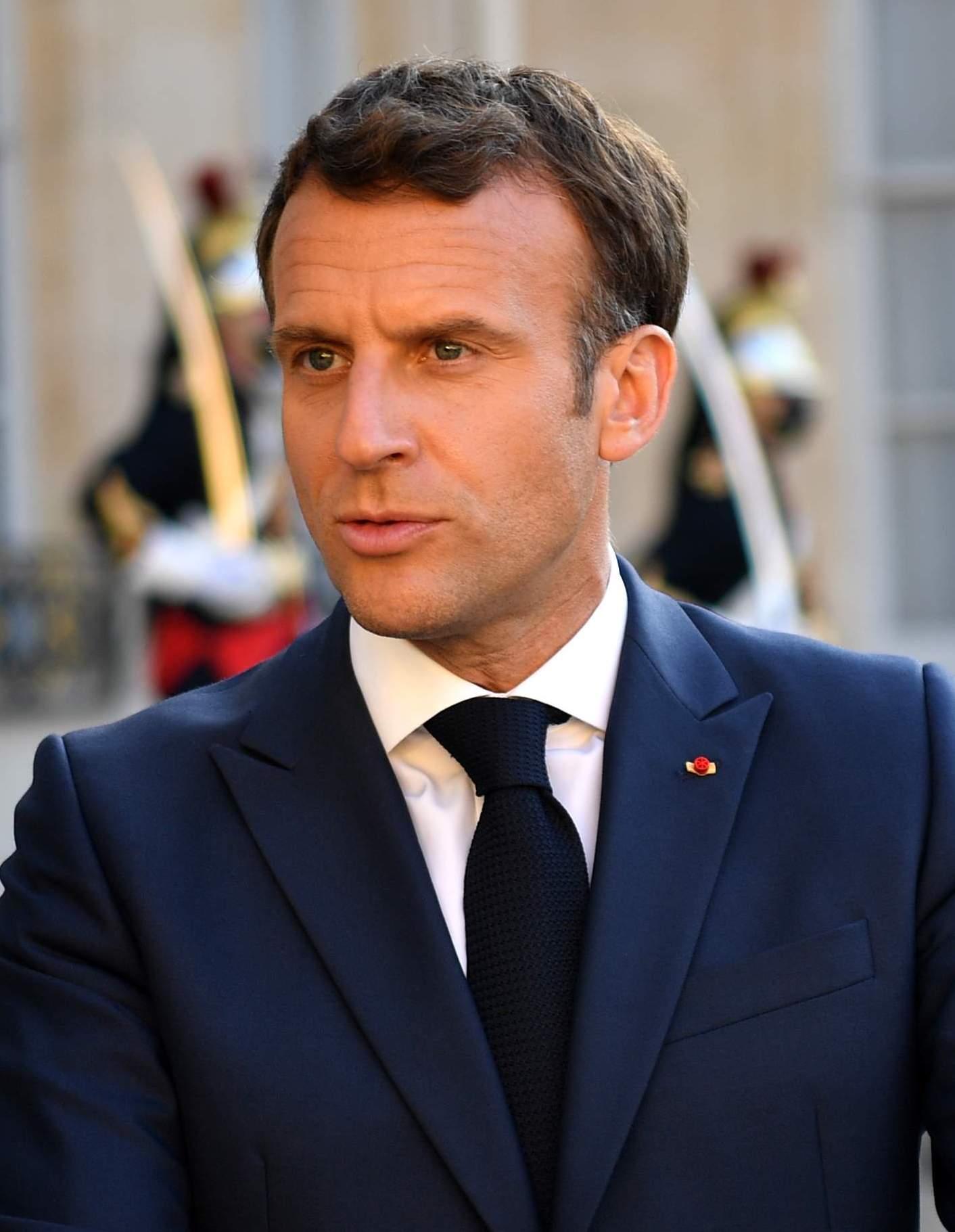
On July 24, President Emmanuel Macron announced France will recognize Palestinian statehood at the September UN General Assembly. France becomes the first G7 nation to take this step. The UK followed suit on July 29, with conditional support pending Israeli actions. Ireland and Spain already extended recognition on May 28, 2024.
Which Palestine is France talking about?
These decisions ignore operational reality. Which entity would Europe recognize? The Hamas-controlled parliament that last convened in 2007? The Palestinian Authority under Mahmoud Abbas, whose authority extends to isolated West Bank enclaves? The recognition exercise parallels Somalia’s 1991 international recognition amid state collapse. Recognizing governance structures that don’t exist constitutes diplomatic theater, not statecraft.
The European initiative strengthens the case for sustained Israeli military control. Without functioning Palestinian governance, Israel faces a binary choice: maintain security control or accept vulnerability. The evidence points in one direction.
Israel currently controls approximately 80 percent of Gaza’s landmass. IDF forces maintain positions in Gaza City, Jabalya, Rafah, and the Netzarim corridor. This deployment represents strategic necessity, not temporary positioning.
Hamas took control of Gaza through armed force from June 10-15, 2007, killing 161 Palestinians and wounding over 700. That takeover created the conditions that produced October 7, 2023, when Hamas forces killed 1,139 people and took approximately 250 hostages. The experiment in Palestinian self-governance ended in massacre.
The operational question isn’t whether occupation is ideal. It’s whether alternatives exist. Palestinians at the neighborhood level could potentially accept Israeli-backed governance arrangements with economic integration and airport access. This scenario requires Hamas’s complete surrender and verified demilitarization. That prerequisite remains absent.
The Gaza aid foul-up
On July 25, 2025, the United States cut short ceasefire negotiations in Qatar, accusing Hamas of lacking good faith. U.S. envoy Steve Witkoff brought the negotiating team home after Hamas refused to commit to releasing all hostages while seeking to maintain its military capabilities. Hamas stated it would consider leaving formal power but not surrendering weapons. This position demonstrates the organization’s continued commitment to armed resistance over governance.
Israel allocated NIS 1.6 billion, approximately $473 million, for Gaza humanitarian aid in August 2025. Finance Minister Bezalel Smotrich separately announced NIS 3 billion for the same purpose, though the final budgetary allocation remains the lower figure. The Kerem Shalom and Zikim crossings remain operational for food, water, commercial goods, and fuel transfers.
The IDF coordinates airdrop permissions for eight nations: Jordan, Egypt, UAE, Spain, Germany, France, Belgium, and Italy. While the UN Office for the Coordination of Humanitarian Affairs lists over 200 NGOs in its coordination mechanism, fewer than ten international organizations maintain direct operational authorization in Gaza due to their failure to comply with minimal Israeli security requirements: Don’t work with Hamas.
Turkey’s regional actions demonstrate why releasing territorial control invites exploitation. Turkey deployed Syrian fighters to Libya beginning December 2019. UN Report S/2024/914, issued December 13, 2024, confirms 16,500 to 18,000 Syrian mercenaries remain under Turkish command in Libya.
Turkish meddling
On April 16, 2025, Turkey’s Foreign Ministry issued Statement No. 84 condemning Greece’s Maritime Spatial Planning. Turkey submitted its “Blue Homeland” maritime claims to UNESCO’s Intergovernmental Oceanographic Commission on June 12, 2025. These actions demonstrate Turkey’s systematic effort to destabilize the Eastern Mediterranean alliance between Greece, Cyprus, Israel, and the United States.
Releasing Gaza without security guarantees creates another platform for regional powers to project influence through proxy forces. The Libya precedent demonstrates how quickly ungoverned spaces become staging grounds for mercenary deployments and regional destabilization.
President Trump proposed on February 4, 2025, that the United States should develop Gaza into the “Riviera of the Middle East.” The White House clarified on February 5 that this vision would not involve U.S. troops or funding but would require relocating Gaza’s Palestinian population. Egypt, Jordan, Saudi Arabia, the UAE, and Qatar issued a joint rejection on February 1, 2025. President Trump today will convene a meeting at the White House on a “comprehensive plan” to end the war in Gaza, as Special Envoy Steve Witkoff explained to Fox News “one way or another.”
Hamas could end this conflict immediately through verified weapons surrender and hostage release. Each day of refusal validates Israeli security measures. Europe faces a choice between accepting operational requirements or continuing diplomatic performances that ignore truth on the ground.
Does Europe want a self-governing Palestine? Then Hamas must surrender
The international community must decide: pressure Hamas toward complete demilitarization enabling conditional Palestinian self-governance, or accept Israeli security control as the barrier between relative stability and renewed October 7-style attacks. Those demanding immediate Israeli withdrawal without Hamas’s military defeat advocate for predictable catastrophe.
Israel will maintain neighborhood-by-neighborhood security control while facilitating humanitarian access until Palestinian leadership chooses demilitarization over terrorism. This solution satisfies no political constituency, but it prevents massacres.
The operational timeline extends indefinitely absent Palestinian leadership willing to prioritize governance over armed resistance. Israel learned from 2005 to 2023 that territorial withdrawal without security guarantees produces dead civilians, not peace. That lesson shapes policy until facts on the ground change.
Gregg Roman is executive director of the Middle East Forum.
This article was originally published by RealClearWorld and made available via RealClearWire.

Gregg Roman is executive director of the Middle East Forum.








-
 Civilization3 days ago
Stealth, Sensors, and Staying Power: What the F-35 Just Proved—and What Comes Next
-

 Executive3 days ago
Citizen Sleuths Spotlight Red Flags Galore in Government Spending
-

 Guest Columns4 days ago
Oklahoma’s Digital Future Will Be Built on Affordable, Reliable, Clean Energy Security
-

 Civilization2 days ago
Dems Scramble After California Governor’s Debate Implodes
-

 Executive5 days ago
Waste of the Day: Throwback Thursday – Helping Beverly Hills’ Low-Income Community
-

 Civilization4 days ago
Waste of the Day: Cybersecurity Programmers Have Foreign Ties
-

 Executive4 days ago
A Consent Decree for Freedom of Speech
-

 Executive2 days ago
America’s $130 Trillion Blind Spot