
Connect with us
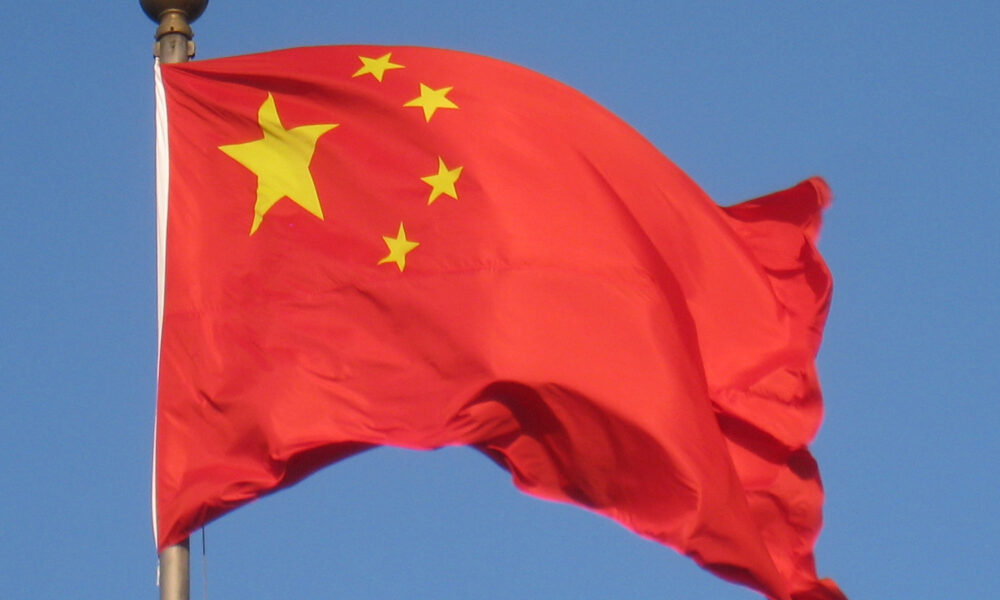

A detailed examination of the strategy China now employs to conquer the world by creating economic dependencies.
China will win the AI race unless the United States abandons the present attempt at universal AI regulation.



America has done all it can against Iran externally, and hit a dead end - so it's time to arm the Iranian resistance.



The AI race is a race of civilizations fighting to the death. Better to take the chance on AI changing society than to let China win.



The United States sent mixed signals with its latest handling of the Iran conflict, and Japan is watching with concern about Taiwan.
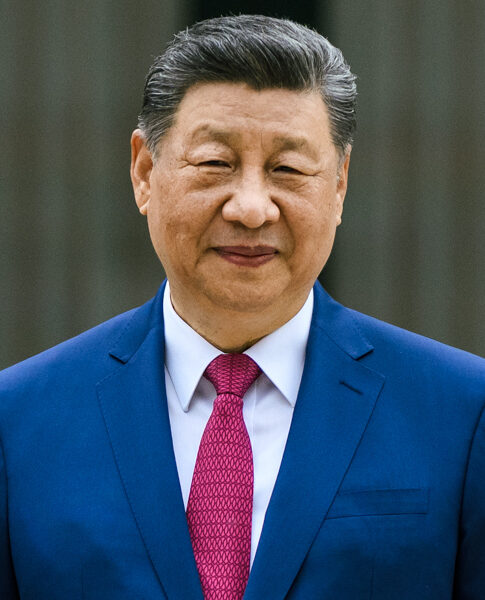


Xi Jin-ping, not Vladimir Putin, is the prime mover behind the Russo-Ukrainian War and what passes for "World War III."



The United States and its allies are not fighting to win in the Red Sea, where asymmetric guerilla warfare threatens to bleed them dry.
Iran provided ample casus belli for the United States. But Trump might have failed to make enough of a case for the war.
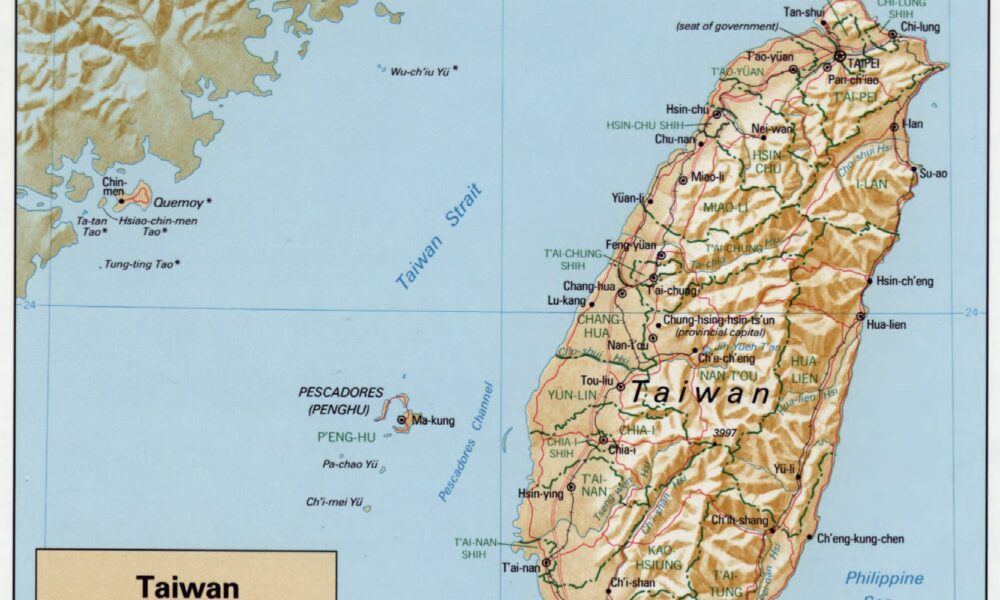
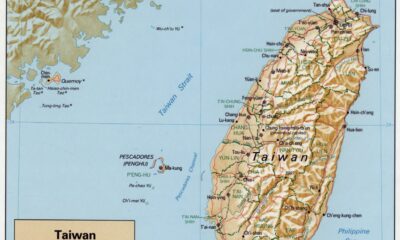

The Ohio Problem refers to the desperate resupply of Malta during WWII. Taiwan might be just as limited in resources in a war with China.

China is not ready to take Taiwan by force, and does not dare use its civilian ferry fleet even to attempt it.


