
Executive
Asia Is Going Nuclear and the United States Should Help
Asia has four reasons to embrace nuclear energy, and the United States has one big reason to offer its help.


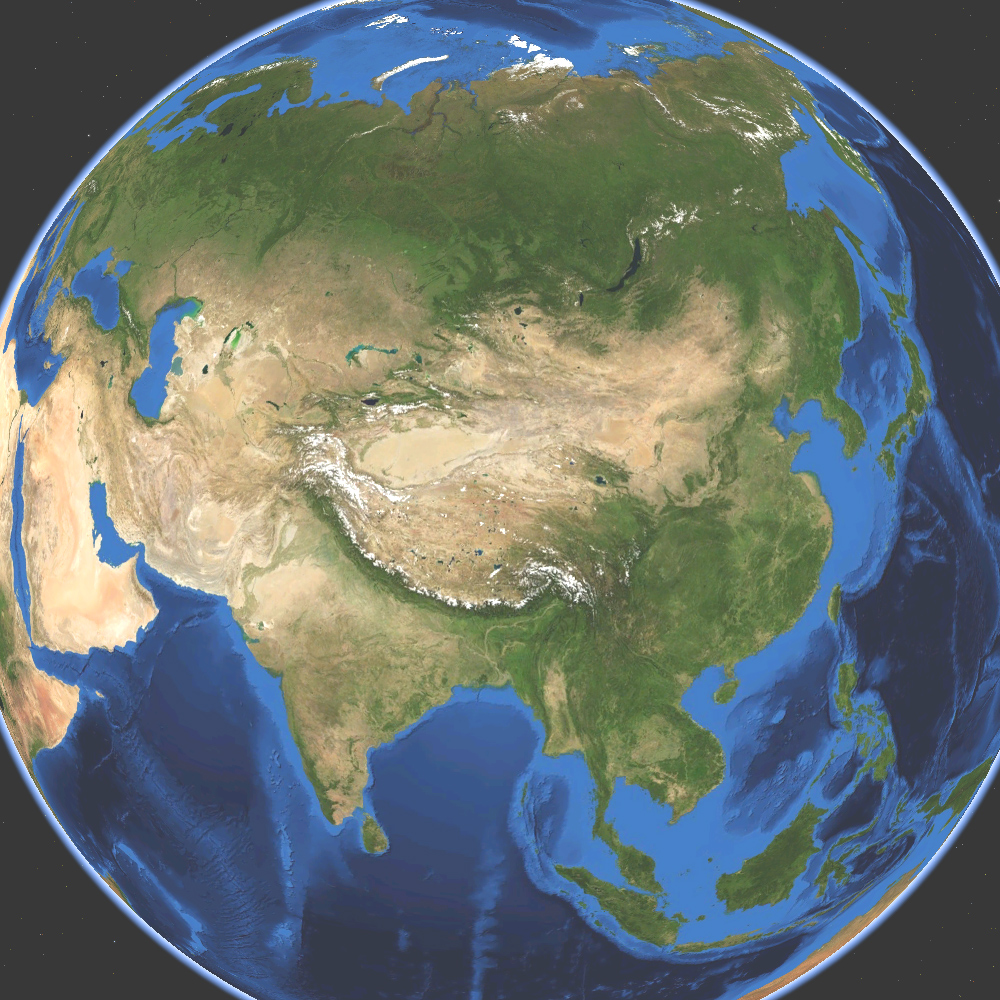
Asia is the fastest growing region for nuclear energy production, and the most consequential for major-power competition.
Asia provides a nuclear energy opportunity for the US
If the United States wants to shape nuclear standards, supply chains, and strategic alignments to its liking and gain markets, it must engage Asia now before China and Russia lock in dominance. Doing so isn’t just smart energy policy; it’s a strategic necessity.
Asia is driving nearly all global nuclear expansion. Some 80-85% of all reactors under construction worldwide are in the region, and most of the reactors built in the past decade were Asian projects. Demand is rising in long-established markets: China, India, Russia, South Korea, and Japan. But countries in South and Southeast Asia are also considering going nuclear, and some have taken steps in that direction, such as Indonesia, the Philippines, and Vietnam.
Four reasons for Asia going nuclear
Four motivations are powering this nuclear renaissance. First, soaring electricity needs due to the increased electrification of transport, heating, and industry, the rise of data centers, artificial intelligence, crypto mining, and population growth and urbanization. Over half of global electricity demand comes from Asia today, and an additional 85% is expected through 2030, so Asian countries see nuclear power as a solution to such needs.
Second, Asian countries, notably newcomers, want to take advantage of small modular reactors, microreactors, and advanced reactors. These new technologies offer considerable benefits: lower capital cost and investment risk than traditional nuclear power plants, greater grid flexibility, adaptability, and resilience, and enhanced safety and security features.
Third, Asian countries believe that nuclear power can help them transition towards a greener economy in the context of rapid climate change. That’s because nuclear power provides reliable, zero-carbon baseload and can work in tandem with other forms of (renewable) energy.
Fourth, Asian countries want energy options that enhance their autonomy. Given rising geopolitical tensions, many seek to reduce vulnerabilities, such as potential disruptions in energy supplies caused by a U.S.-China crisis or conflict, and they see nuclear power useful in this regard.
The result is that nuclear power is becoming a domain of competition between the United States and China, but also with Russia, another major U.S. rival and longtime heavyweight in the nuclear industry. There is competition for nuclear exports, setting nuclear technology standards and governance principles, and exerting broader civil nuclear influence in Asia and beyond.
Trump knows this
The administration of Donald Trump is well-aware of these dynamics, and its renewed commitment to nuclear power helps position the United States for success.
Unveiled last May, Trump’s policy emphasizes rapid expansion of domestic nuclear capacity, fast-track licensing, development of advanced reactors, microreactors, and small modular reactors, and rebuilding the U.S. nuclear industrial base. It also stresses the role of nuclear power for energy independence and in national security applications, from defense infrastructure to space systems.
These measures provide a foundation for U.S. engagement of Asia, as a robust U.S. nuclear industry is a prerequisite for influence. By strengthening its domestic nuclear sector, the United States can offer competitive exports, provide reliable fuel, and shape nuclear norms in emerging markets.
The Trump administration has already signed agreements to foster nuclear cooperation with several regional countries. In October, for example, it signed two with Singapore to work on feasibility, research and development, and capacity-building related to new nuclear technologies.
There are challenges, however. The Trump administration focuses on domestic deployment, licensing, and innovation but less on competitive export financing, regional fuel-supply partnerships, and engagement of regional allies and potential clients. It thus risks ceding influence to China and Russia, which push state-backed projects that come with financing, turnkey construction, and supply-chain assurances. Moreover, the administration has yet to integrate safeguards, workforce development, and industrial partnerships into a coherent regional strategy.
Things Trump should do
So, to capitalize fully on the Asian nuclear boom, the Trump administration should adapt its approach. As a first step, it should ensure that U.S. firms have access to government-backed loans, export-credit guarantees, and insurance to compete with the low-cost, state-financed Chinese and Russian offers.
The administration should also build a nuclear fuel consortium with its closest allies¾Japan, South Korea, and Australia. That consortium should include joint enrichment facilities, long-term fuel contracts, and coordinated uranium supply chains, presenting Asian countries with alternatives to Chinese or Russian proposals. Offering “take-back” options of spent nuclear fuel (or high-level waste) would be judicious given current Russian dominance in this area.
Another step should be providing integrated small-modular-reactor and microreactor packages. U.S. exports should go beyond reactor hardware and include training, maintenance, safety oversight, and long-term operational support, ensuring reliability and building local trust.
Moreover, the administration should go beyond engaging regional countries bilaterally. It should coordinate and leverage its ties with Japan, South Korea, and India and engage Southeast Asian countries using both bilateral and multilateral tracks to form greater cohesion among its partners. U.S. nuclear diplomacy should also be paired with clear nonproliferation requirements, and export approvals should be streamlined with international safeguards.
Training of nuclear engineers
Finally, the administration should form partnerships with Asian countries to train nuclear engineers and operators, and ensure that nuclear deals highlight ancillary benefits, such as grid resilience, energy security, and support for high-energy applications, be it semiconductor fabrication, artificial intelligence clusters, and space operations.
Taken together, these steps will help the Trump administration transform nuclear power from a domestic priority into a strategic lever, shaping Asia in a way that advances U.S. interests for decades to come.
This article was originally published by RealClearDefense and made available via RealClearWire.

Dr. David Santoro is President and CEO of the Honolulu-based Pacific Forum.









-
 Civilization4 days ago
How Prepared Is the Defense Industrial Base for Iranian Cyber Attacks?
-
 Civilization2 days ago
Stealth, Sensors, and Staying Power: What the F-35 Just Proved—and What Comes Next
-

 Executive2 days ago
Citizen Sleuths Spotlight Red Flags Galore in Government Spending
-
 Civilization4 days ago
No Retreat, No Surrender: Why America Must Prevail in Iran
-

 Guest Columns3 days ago
Oklahoma’s Digital Future Will Be Built on Affordable, Reliable, Clean Energy Security
-

 Education5 days ago
Waste of the Day: AZ School Vouchers Used For Hot Tub, Wedding Gifts, More
-

 Executive4 days ago
Waste of the Day: Throwback Thursday – Helping Beverly Hills’ Low-Income Community
-

 Civilization1 day ago
Dems Scramble After California Governor’s Debate Implodes