Executive
Waste of the Day: South Pole Logistics
The Antarctic Program today spends less than 20 percent of its budget supporting scientific research, and the rest on overhead.


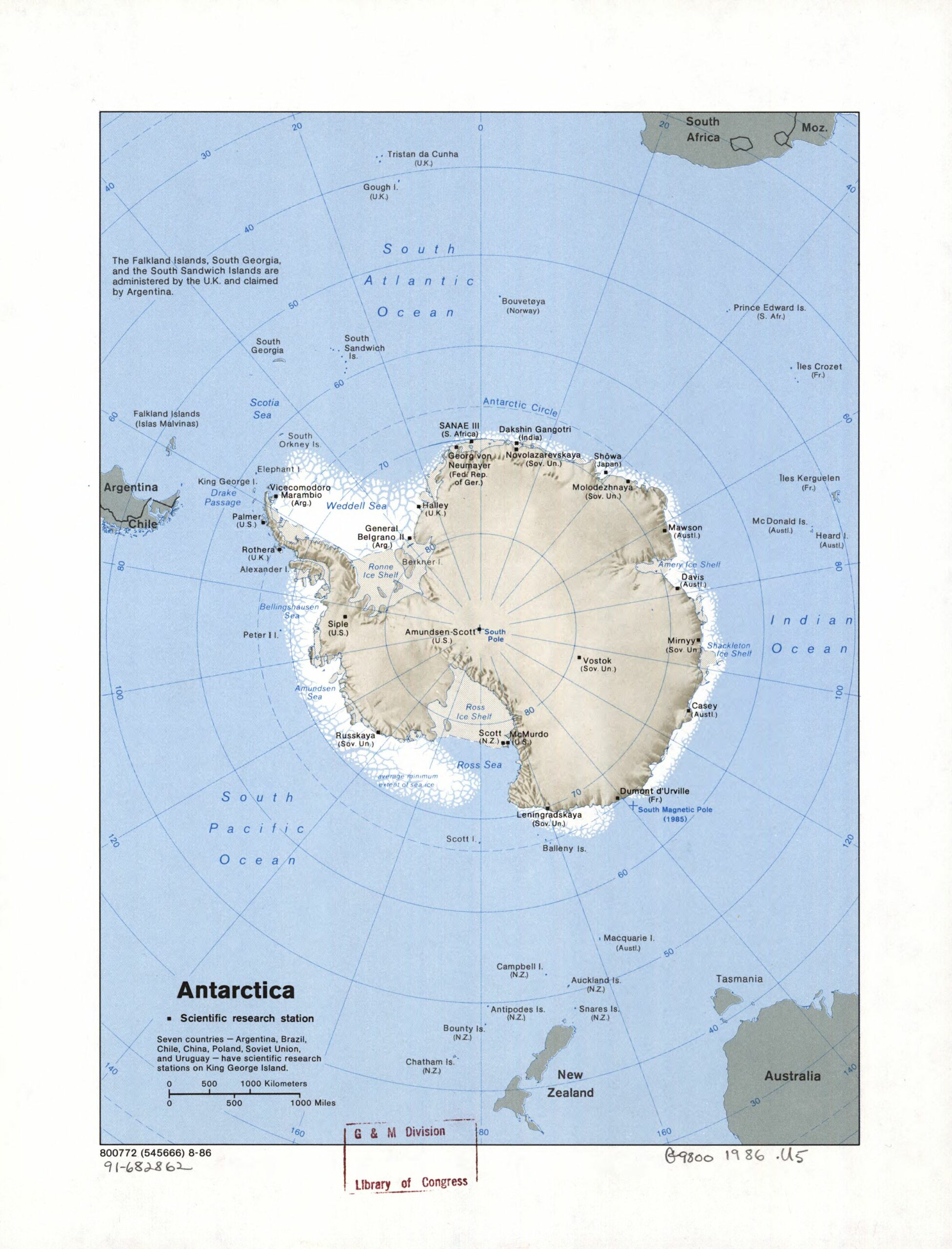
Topline: For almost a decade, the federal government’s budget for Antarctic research included little money for actual scientific inquiry, and a boatload of cash for infrastructure and administrative overhead.
The Antarctic Program is spending only 20 percent of its budget on actual science
An independent review found that from 2002 to 2011, less than 20% of the $300 million spent on the U.S. Antarctic Program funded the academic work central to the program’s mission. The rest paid for fuel, repairs to aging buildings and more, because — surprise, surprise — living in the South Pole is logistically difficult.
That’s according to the “Wastebook” reporting published by the late U.S. Senator Dr. Tom Coburn. For years, these reports shined a white-hot spotlight on federal frauds and taxpayer abuses.

Coburn, the legendary U.S. Senator from Oklahoma, earned the nickname “Dr. No” by stopping thousands of pork-barrel projects using the Senate rules. Projects that he couldn’t stop, Coburn included in his oversight reports.
Coburn’s Wastebook 2012 included 100 examples of outrageous spending worth more than $18 billion, including the U.S. Antarctic Program’s budget — which was set at $20.5 million in 2012, or $30.2 million in today’s money.
Multiple logistical failures
Key facts: The independent review, commissioned by the White House Office of Science and Technology Policy and the National Science Foundation, found that taxpayers were funding nine days of logistics support for every one day of scientific work.
Because of convoluted budgeting rules, supplies typically did not arrive in Antarctica for two years after they were requested. While staffers waited, buildings and equipment often fell into disrepair, creating hazardous conditions and driving up future costs.
Warehouses had gaps that allowed snow to blow inside, burying inventory. The floors were too fragile for forklifts, requiring increased manpower to move shipments.
Gasoline usage was another huge inefficiency. Factoring in the cost of transporting fuel on ships or planes to Antarctica, researchers were paying $27.50 per gallon of gas.
The U.S. Antarctic Program continues today, and its logistical support will cost an estimated $109.3 million this year.
Search all federal, state and local salaries and vendor spending with the world’s largest government spending database at OpenTheBooks.com.
Summary: Taxpayers were told they were funding cutting-edge Antarctic research, but most of the money never left the ice to reach a single study.
The #WasteOfTheDay is brought to you by the forensic auditors at OpenTheBooks.com.
This article was originally published by RealClearInvestigations and made available via RealClearWire.

Jeremy Portnoy, former reporting intern at Open the Books, is now a full-fledged investigative journalist at that organization. With the death of founder Adam Andrzejewki, he has taken over the Waste of the Day column.