
Accountability
James O’Keefe’s Project Veritas is a form of ‘political spying,’ judge rules

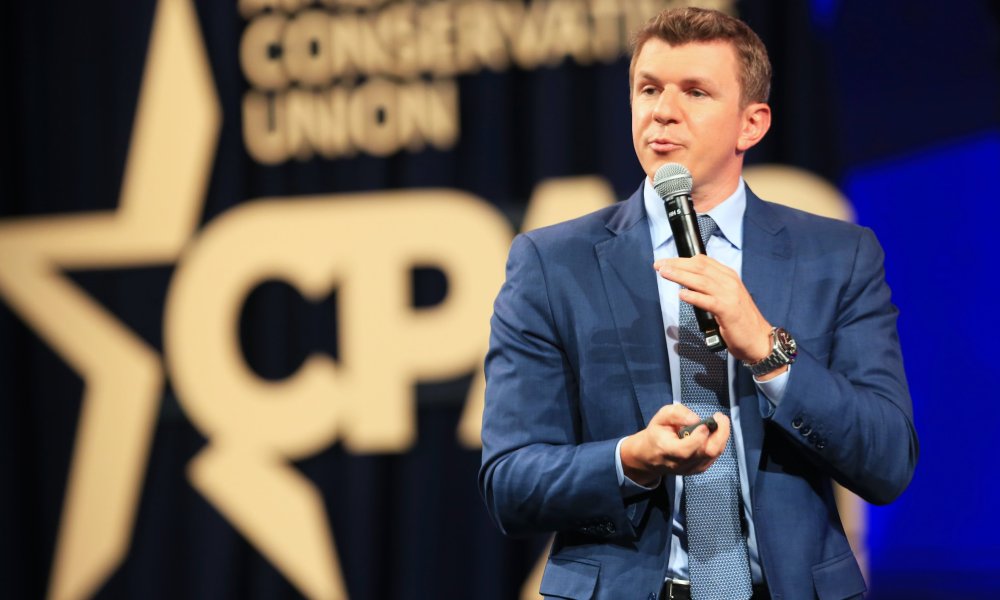
A federal judge has ruled it “fair” to describe the undercover activities of conservative activist James O’Keefe‘s Project Veritas as “political spying.”
The ruling is related to a lawsuit, filed in 2017, that will be before the court this year. An intern working at a Democratic firm, Democracy Partners, in 2016 was actually working undercover for Project Veritas, recording staffers and catching the firm’s founder, Robert Creamer suggesting that they incite violence at rallies held by then-Republican presidential nominee Donald Trump.
Creamer stepped down from his role in the Hillary Clinton campaign following this. Democracy Partners and Creamer sued over that footage. In advance of the December-set trial, O’Keefe’s attorneys filed to prevent the plaintiffs from describing the group’s actions as “political spying, but were not successful.
In an Oct. 14 court opinion, though, U.S. District Court Judge Paul L. Friedman ruled that it’s reasonable to describe O’Keefe’s group’s actions in that way. “‘Political spying’ is a fair characterization of the undisputed facts of this case,” Friedman, a Bill Clinton appointee, wrote. O’Keefe’s lawyers had argued that Project Veritas operates as journalists.

-

 Civilization4 days ago
Iran’s Chemical and Biological Options in a U.S. Ground Invasion
-
 Civilization3 days ago
NATO and the Bar Fight: A Bar Tab Europe Expects America To Pay Forever
-

 Civilization3 days ago
The Ideological Parallels Between ISIS and the IRGC
-

 Civilization3 days ago
NATO: No Action, Talk Only — The Alliance That Forgot How to Fight
-

 Executive5 days ago
Waste of the Day: Throwback Thursday – Smokey Bear Balloon Has High Price Tag
-

 Human Interest3 days ago
How ‘Giant’ Reopens the Question of Roald Dahl
-

 Executive2 days ago
Frozen Fuel: Alaska Eyes Another Epic Pipeline
-
 Civilization1 day ago
Trump, China, and the Strategic Blind Spot in U.S. Policy