
Clergy
Decapitating Amalek: Iran, Purim, and the Obligation to Act in Time
Iran is the modern Amalek, and the strikes on it force Jewish thinkers to face, again, the moral obligation to confront evil.


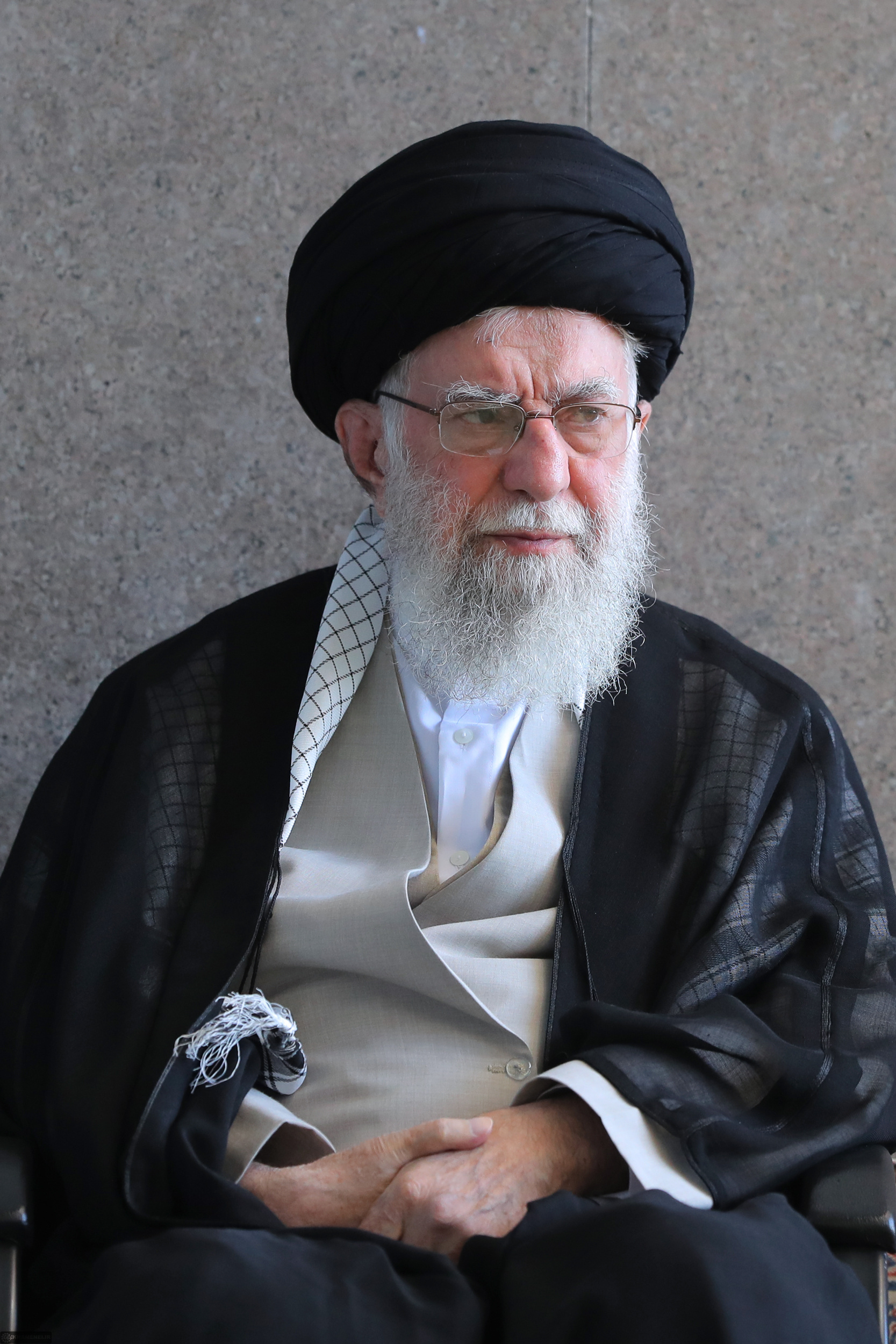
The joint United States and Israeli strikes on Feb. 28, 2026, did more than destroy military infrastructure. They decapitated the ideological command center of a regime that has spent four decades promising Israel’s annihilation and financing America’s enemies. The death of Supreme Leader Ayatollah Ali Khamenei marks the most consequential blow to state-sponsored terror in modern history.
The modern Amalek
It revives a question Jewish thinkers have wrestled with for centuries: When does confronting evil move from a strategic option to a moral obligation?
The Torah’s final commandment provides the frame. “Remember what Amalek did to you … you shall blot out the name of Amalek from under heaven. Do not forget.” The mandate sounds ruthless because it addresses something ruthless: a force that attacks the vulnerable without provocation and defines itself through destruction.
Maimonides did not treat Amalek as a racial category. He treated it as conditional. If Amalek accepted basic moral law, it survived. If it persisted in predatory evil, it forfeited its claim to endure. Amalek therefore describes not bloodline, but ideology – a governing doctrine that sacralizes annihilation.
That pattern has returned in modern form.
The timing could not resonate more clearly. Purim begins as the Iranian regime loses its supreme leader. The Megillah names its villain precisely: Haman the Agagite, traced to Agag, king of Amalek. Scripture signals continuity. Hatred survives defeat. It reappears when it acquires power.
October 7 exposed that continuity in blood. Hamas did not act spontaneously. It operated within an architecture financed, armed, trained, and strategically directed by Tehran’s Islamic Revolutionary Guard Corps. The massacre of civilians – deliberate, theatrical, ecstatic – reflected doctrine, not desperation. It was a demonstration of what the regime believes is holy.
Iran built the machinery that made it possible.
Iran prepared for years for the October 7 event
For years, Tehran constructed a land corridor stretching from Iran through Iraq and Syria into Lebanon – the so-called Shia Crescent. This corridor enabled movement of precision missiles, drones, and fighters to Hezbollah and other proxies without interruption. Hezbollah stockpiled weapons on Israel’s northern frontier. Militias embedded across Syria and Iraq. The Houthis pressured Gulf commerce. Together they formed a tightening ring designed to exhaust Israel, intimidate Arab states, and erode American deterrence.
This strategy grew from belief. The Islamic Republic fused clerical authority with armed expansion and enshrined export of revolution as state mission. Its leaders framed Israel’s elimination not as bargaining posture but as religious duty. Hamas and similar movements drew from related doctrines that glorify martyrdom and sanctify permanent struggle. Under such systems, compromise risks betrayal. Escalation affirms faith.
Western governments reduced ideological expansion to bureaucratic case files. Gaza flare-ups were “managed.” Militia attacks on U.S. bases drew calibrated, symbolic responses. Maritime disruption became a shipping insurance problem. Meanwhile, missiles multiplied, drones industrialized, enrichment advanced toward nuclear threshold – and deterrence steadily eroded.
Incremental management allowed ideological infrastructure to harden.
On February 28, incrementalism ceased
The Feb. 28 strikes did what incrementalism refused to do: They targeted the center of that infrastructure. Israel had already begun dismantling the physical encirclement. In southern Lebanon, the IDF cleared Hezbollah positions south of the Litani River to enforce a demilitarized buffer. In southern Syria, Israel imposed new security perimeters to sever Iranian supply lines. These measures did not represent tactical improvisation; they represented structural correction.
The elimination of Khamenei struck the system’s apex.
Tehran responded as revolutionary regimes always do – regardless of the cost to their own people or their neighbors – by widening the battlefield and firing missiles and drones toward Israel, Arab states, and American installations. A regime that sacralizes confrontation cannot retreat without undermining its own legitimacy. Escalation is not a tactic; it is theological consistency.
History does not remember civilizations kindly when they mistake declared annihilation for negotiable rhetoric. The Middle East now faces that recognition.
The commandment to blot out Amalek does not celebrate destruction. It recognizes that some threats cannot be managed – only dismantled. Some doctrines embed predation so deeply that coexistence fails. Protection of the vulnerable demands dismantling the machinery that perpetuates harm.
Iran built a system designed to make October 7 repeatable. The question now concerns whether that system fractures under decapitation or reorganizes under new leadership.
Amalek comes back if anyone sets limits on blotting it out
Amalek returns whenever annihilation joins theology to weapons and funding. Purim does not mark vengeance. It marks survival – the moment when a people recognized genocidal intent before it matured beyond containment.
This year, as the Megillah recounts the fall of Haman the Agagite, the final mitzvah reminds us that confronting predatory ideology cannot wait until encirclement completes itself.
The obligation lies in refusing to mistake declared annihilation for diplomacy – and in acting before the next decree becomes irreversible.
This article was originally published by RealClearPolitics and made available via RealClearWire.

Eric Spitz is the CEO of Rootz.ai, a marketing analytics start-up company that converts retail transaction data into AI-ready formats. He was previously chairman of Freedom Communications, including the Orange County Register.






-

 Executive4 days ago
Waste of the Day: NYC’s $3.5 Million Toilets Are “In Purgatory”
-

 Civilization4 days ago
Does the Donroe Doctrine Now Extend to Outer Space?
-

 Civilization3 days ago
How Prepared Is the Defense Industrial Base for Iranian Cyber Attacks?
-

 Civilization4 days ago
Imminent Threat? Iran Was Existential Threat
-
 Civilization3 days ago
No Retreat, No Surrender: Why America Must Prevail in Iran
-

 Guest Columns2 days ago
Oklahoma’s Digital Future Will Be Built on Affordable, Reliable, Clean Energy Security
-

 Education4 days ago
Waste of the Day: AZ School Vouchers Used For Hot Tub, Wedding Gifts, More
-

 Executive3 days ago
Waste of the Day: Throwback Thursday – Helping Beverly Hills’ Low-Income Community