
Civilization
Iran Could Reshape the Middle East and the Global Balance of Power
A secular and democratic Iran would bring stability to the Middle East and change the geopolitical game with Europe, China and Russia.


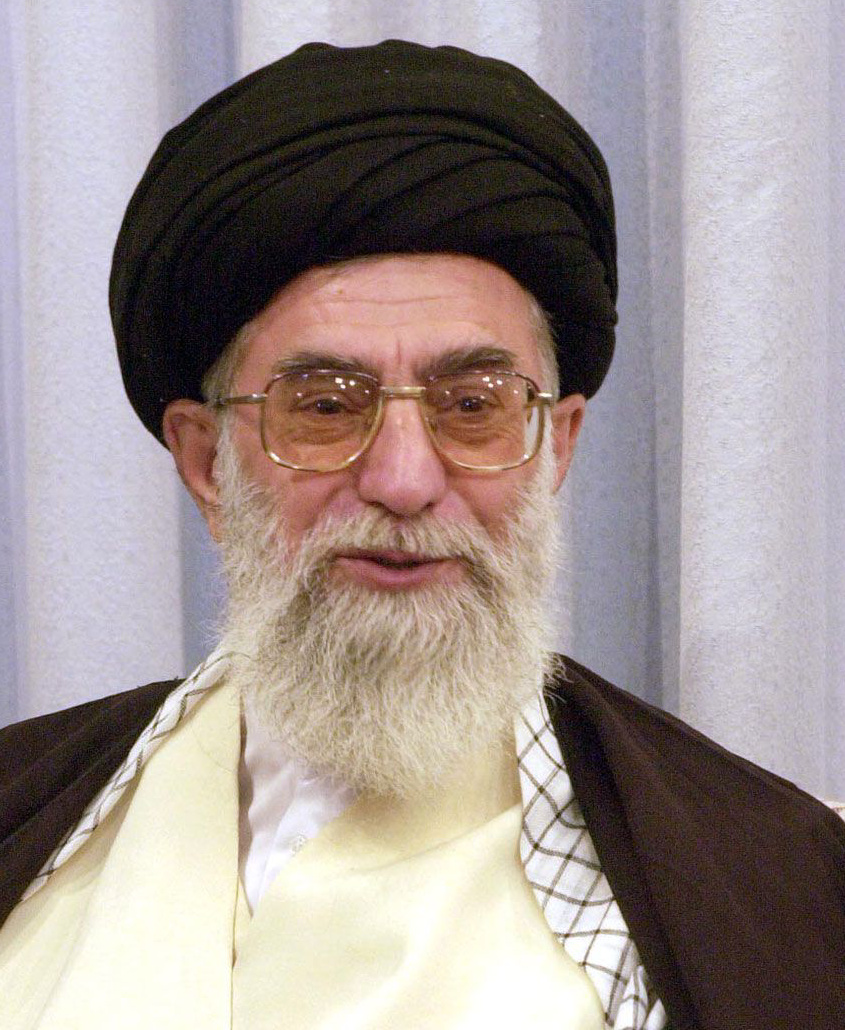
A secular democratic transition in Iran would weaken proxy conflicts, stabilize global energy markets, and alter strategic dynamics between the United States, Europe, China, and Russia.
What would it take for Iran to become secular and democratic?
A transition of Iran from an ideological theocracy to a secular democratic state would represent one of the most consequential geopolitical transformations of the twenty-first century. Few countries combine Iran’s demographic weight, geographic position, natural resources, and historical influence across the Middle East and Eurasia.
For decades, the ruling system in Tehran has defined its legitimacy through revolutionary ideology, confrontation with the West, and the projection of power through regional proxy networks. A secular democratic Iran would likely shift away from this ideological posture toward national development, economic integration, and diplomatic engagement. The implications would extend far beyond the Middle East, reshaping regional security architecture and influencing the broader global balance of power.
Dismantling the Proxy Network
Iran’s regional influence has long been exercised through networks coordinated by the Islamic Revolutionary Guard Corps. These include alliances with organizations such as Hezbollah in Lebanon, armed militias operating in Iraq, and the Houthi Movement in Yemen. In Syria, Iranian advisers and militias have supported the government of Bashar al-Assad for years.
A democratic government in Tehran would almost certainly reassess these relationships. Without an ideological mandate to export revolution or maintain proxy confrontation with Western allies, Iran’s strategic priorities would likely shift toward domestic reconstruction and economic recovery.
The consequences would be significant:
- Hezbollah would lose its principal strategic patron.
- Iranian-aligned militias in Iraq would lose funding and coordination.
- The Houthis’ capacity to threaten global shipping lanes could diminish.
Taken together, these changes could weaken one of the most destabilizing security networks in the Middle East.
Rebalancing Relations among Iran, Israel and the Gulf
The Islamic Republic has defined much of its foreign policy around hostility toward Israel and opposition to Western alliances in the region. A secular democratic government would have not sustain this ideological confrontation.
Relations with Israel would immediately become friendly. Similarly, relations with Gulf states such as Saudi Arabia and the United Arab Emirates would evolve from rivalry to cautious engagement.
Such a shift could fundamentally transform security dynamics in the Persian Gulf, allowing regional actors to focus more on economic cooperation and collective stability rather than proxy confrontation.
A Model for Political Transformation in the Middle East
Beyond security and economics, a democratic Iran would carry symbolic significance.
Iran is one of the region’s largest and most historically influential societies. A successful democratic transition there could demonstrate that democratic governance and economic development are compatible with Middle Eastern political realities.
This would not automatically trigger a wave of democratization across the region. But it would reshape political expectations and challenge the narrative that authoritarian governance is the only viable model for stability.
In that sense, Iran’s transformation could have a powerful soft-power effect throughout the Middle East.
Stabilizing Global Energy Markets
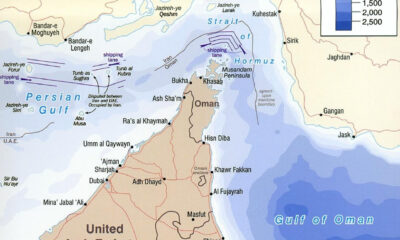
The strategic importance of Iran extends beyond regional politics to global energy security. The country sits adjacent to the Strait of Hormuz, through which roughly one-fifth of the world’s oil supply passes.
Political instability in Iran has long contributed to volatility in global energy markets. A democratic Iran reintegrated into the international economy could increase oil and gas exports, stabilize supply chains, and reduce geopolitical risk premiums embedded in global energy prices.
For energy-importing regions, particularly Europe and East Asia, this would represent a major shift in strategic stability.
Implications for Europe
The ongoing war has already imposed serious strains on European security and energy stability. With oil prices spiking and the Strait of Hormuz effectively disrupted by hostilities, Europe faces a potential energy crunch, particularly as gas storage dips and dependency on Gulf and Russian supplies persists.
A democratic, economically integrated Iran would help stabilize energy markets, provide alternative export sources for European demand, and lessen the strategic leverage of transit chokepoints. This would give Brussels greater autonomy in foreign policy and reduce Europe’s exposure to disruptions caused by Middle Eastern conflict.
Additionally, a democratic Iran’s integration into European security frameworks — including possible cooperation on counterterrorism and migration — would strengthen Europe’s role in Middle East peace initiatives rather than leaving leadership solely to Washington.
Effects of a Secular Iran on U.S.–China Strategic Competition
Iran’s current government has strengthened ties with China as a way to counter Western sanctions and diplomatic isolation. Beijing, in turn, has viewed Iran as a crucial energy partner and geopolitical foothold in the Middle East.
A democratic Iran would likely diversify its international relationships, reducing its dependence on any single global power. China would still remain an economic partner, particularly for energy imports and infrastructure development. However, Tehran would also pursue stronger ties with Western economies.
This diversification could reduce the degree to which the Middle East becomes an arena of zero-sum competition between Washington and Beijing.
Recalibrating U.S.–Russia Relations
Iran has also developed strategic coordination with Russia, particularly in military cooperation and regional diplomacy. Moscow has viewed Tehran as a useful partner in balancing Western influence in the Middle East.
A democratic Iran would likely maintain pragmatic relations with Russia while pursuing broader diplomatic engagement with the West. This could dilute the strategic alignment currently linking Moscow and Tehran and introduce greater flexibility into regional diplomacy.
Although such a shift would not eliminate geopolitical competition between the United States and Russia, it would remove one of the arenas in which that competition currently plays out most intensely.
A Strategic Inflection Point
The transformation of Iran into a secular democratic state would not automatically resolve all regional conflicts. A democratic Iran could weaken militant proxy networks, reduce ideological confrontation with neighboring states, stabilize global energy markets, and open new channels for diplomatic cooperation among major powers.
In an international system increasingly defined by strategic rivalry and geopolitical fragmentation, the emergence of a democratic Iran would represent not simply a change of government—but a strategic inflection point capable of reshaping the Middle East and influencing the global balance of power.
This article was originally published by RealClearDefense and made available via RealClearWire.

Dr. Fariba Parsa holds a Ph.D. in social science, specializing in Iranian politics with a focus on political Islam, democracy, and human rights. She is the author of Fighting for Change in Iran: The Women, Life, Freedom Philosophy against Political Islam. Dr. Parsa is also the founder and president of Women's E-Learning in Leadership (WELL), a nonprofit organization dedicated to empowering women in Iran and Afghanistan through online leadership education and training.





-
 Civilization4 days ago
How Prepared Is the Defense Industrial Base for Iranian Cyber Attacks?
-
 Civilization2 days ago
Stealth, Sensors, and Staying Power: What the F-35 Just Proved—and What Comes Next
-
 Civilization4 days ago
No Retreat, No Surrender: Why America Must Prevail in Iran
-

 Executive2 days ago
Citizen Sleuths Spotlight Red Flags Galore in Government Spending
-

 Guest Columns3 days ago
Oklahoma’s Digital Future Will Be Built on Affordable, Reliable, Clean Energy Security
-
 Education5 days ago
Waste of the Day: AZ School Vouchers Used For Hot Tub, Wedding Gifts, More
-

 Executive4 days ago
Waste of the Day: Throwback Thursday – Helping Beverly Hills’ Low-Income Community
-

 Civilization1 day ago
Dems Scramble After California Governor’s Debate Implodes