
Executive
Waste of the Day: Indie Rock Execs’ World Tour
Several independent music record label executives took a world tour worth more than a quarter-million dollars in 2013.


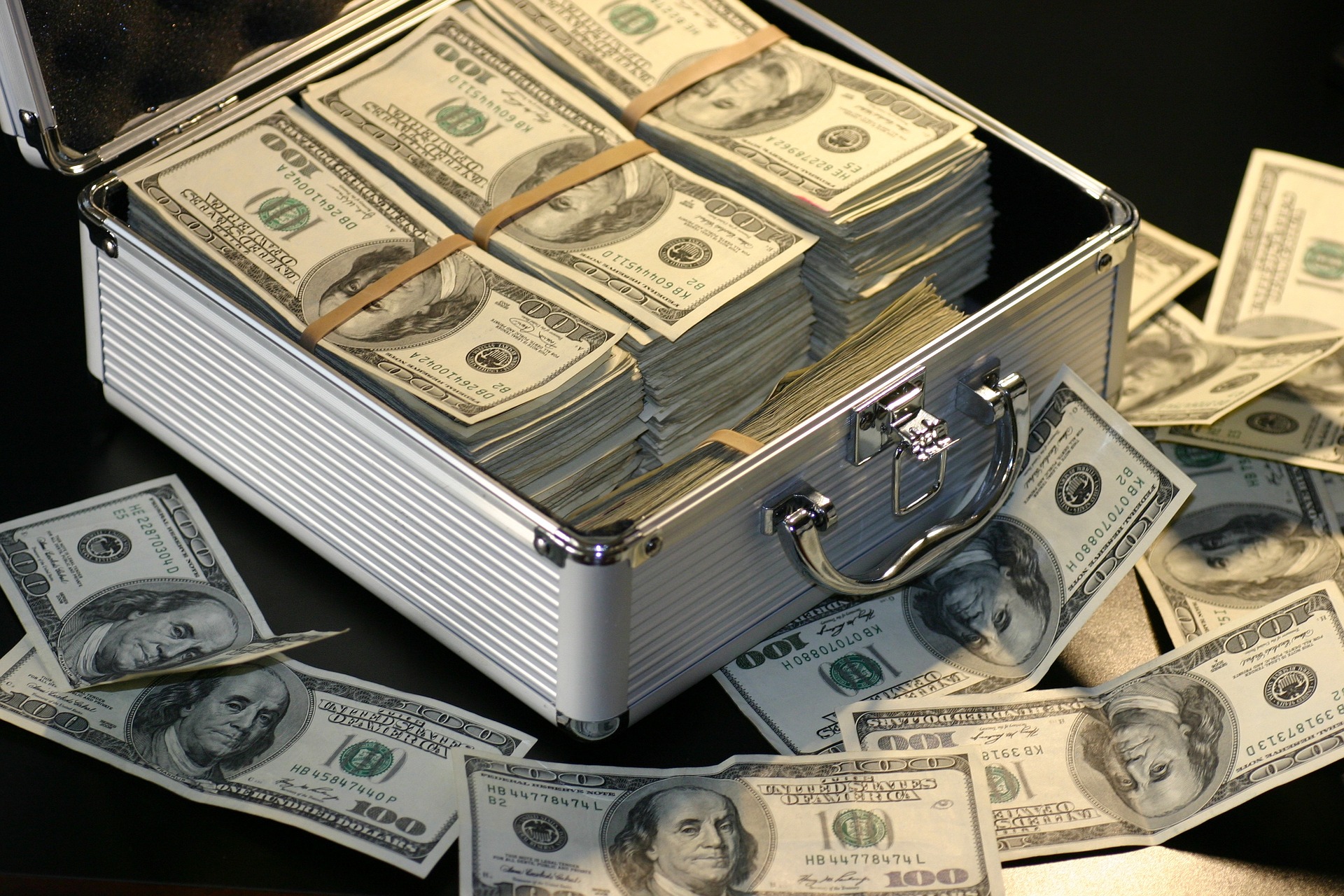
The quintessential image of up-and-coming musicians toughing it out in a squalid tour bus was far from reality in 2013, when the federal government spent $284,300 helping record label executives travel overseas to sell music — $412,249 in today’s dollars.
Music executives take a world tour – on the taxpayer’s dime
The American Association of Independent Music received the money from the Department of Commerce’s Market Development Cooperator Program to promote indie rock in China, France, Brazil and Canada.
That’s according to the “Wastebook” reporting published by the late U.S. Senator Dr. Tom Coburn. For years, these reports shined a white-hot spotlight on federal frauds and taxpayer abuses.
Coburn, the legendary U.S. Senator from Oklahoma, earned the nickname “Dr. No” by stopping thousands of pork-barrel projects using the Senate rules. Projects that he couldn’t stop, Coburn included in his oversight reports.
Coburn’s Wastebook 2013 included 100 examples of outrageous spending worth nearly $30 billion, including subsidized rock and roll.
Key facts: Eleven music-industry representatives took the trip along with a Commerce Department official. Federal assistance reimbursed half or more of each participant’s costs.
The delegates met with record labels, distributors, YouTube representatives and other potential business partners. But there was also time for fun.
Association President Rich Bengloff described four days of “marathon one-on-one meetings” with some “R&R” mixed in. The group visited Sugarloaf Mountain, one of Rio’s most famous tourist attractions.
Alec Bemis of Brassland Records spent part of the trip walking through a six-story São Paulo shopping center, visiting record stores and gauging locals’ reactions to any mention of his bands. He told the Wall Street Journal he left Brazil without signing any deals, though he believed the trip could eventually produce business.
Independent music was making billions
The subsidy was notable because independent music was hardly an infant industry. Independent labels controlled roughly one-third of the U.S. music market at the time, while recorded-music sales generated $7.1 billion nationally.
There is evidence the program later produced results. By June 2016, the Commerce Department credited the Association with $28 million in export deals with the four countries executives visited. Still, with millions flowing in, the executives likely could have paid their own way.
Background: The Market Development Cooperator Program still exists in 2026. Trade associations can receive up to $300,000 for projects intended to increase U.S. exports, while contributing most of the overall project cost themselves.
Summary: Taxpayers should not need to finance private executives’ world tours to help them find customers.
The #WasteOfTheDay is brought to you by the forensic auditors at OpenTheBooks.com.
This article was originally published by RealClearInvestigations and made available via RealClearWire.

Jeremy Portnoy, former reporting intern at Open the Books, is now a full-fledged investigative journalist at that organization. With the death of founder Adam Andrzejewki, he has taken over the Waste of the Day column.


-
 Constitution5 days ago
Green Energy Mandates Meet the Commerce Clause
-

 Civilization5 days ago
America’s Freedom to Slow AI Is Priced in Magnets
-
 Executive5 days ago
Waste of the Day: Federal Dumpster Diving
-
 Civilization4 days ago
AI (or Super Intelligence) Day at the White House
-

 Civilization3 days ago
In CA Gov. Debate Becerra Runs Against Trump More Than Hilton
-

 Civilization4 days ago
Why Vague AI Regulation Threatens Our Strategic Edge Against China
-

 Executive2 days ago
Waste of the Day: Storm $ Bought Lamborghini
-

 Civilization3 days ago
California Turns Down Bipartisan Funding for VA Cemetery