Executive
Waste of the Day: Trips to Tiki Bar, Nightclubs
Consultants on California’s high-speed rail project have declared at least $2 million on highly dubious travel expenses.


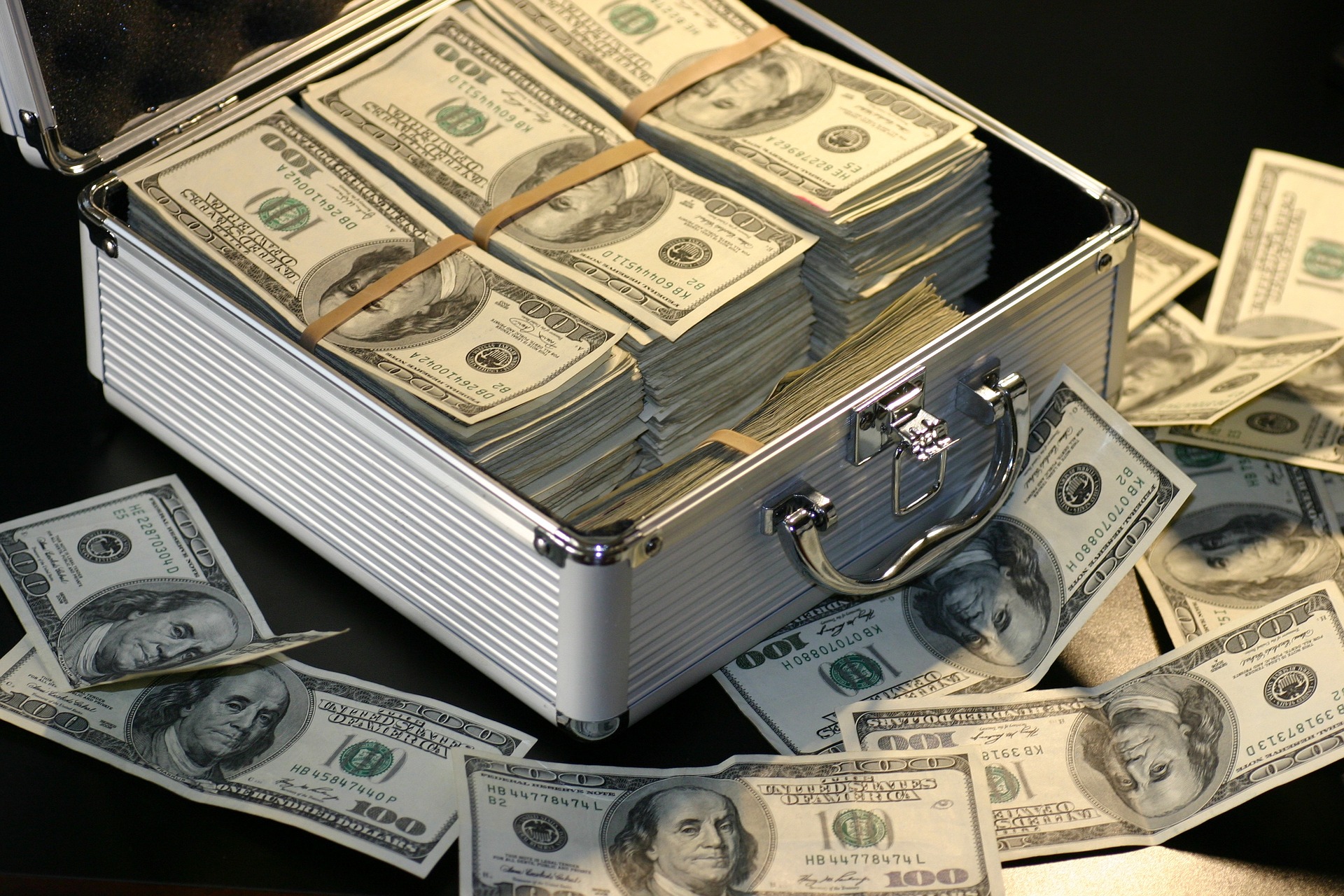
It’s no wonder that California’s infamous high-speed rail line has more than tripled in cost and been delayed by 20 years. The consultants working on the project have been killing time at a tiki bar, a nightclub, an escape room, a gym and more.
Millions for travel by consultants on a high-speed rail project
Their travel expenses add up to more than $2 million, including $592,000 that was “not allowable,” per a Sept. 15 inspector general report.
Key facts: The consultants are allowed to bill taxpayers for legitimate business expenses, but the state “routinely” allowed them to travel without advance approval, as required. State officials admitted they sometimes had no idea the consultants had taken trips until the invoices arrived.
Many travel expenses had no written justification, or had vague explanations like “typical travel” or “meetings.”
Consultants booked first-class flights and premium services like Uber Black, which picks up riders in a luxury car. One consultant booked a premium Uber to travel 25 miles to a steakhouse, and another used the service for “repeated” trips to Planet Fitness gym locations around Sacramento. Another took a ride to a nightclub at 9:40 p.m. and booked his return trip at 2:30 a.m.
State employees said the absurd expenses were approved due to “the volume of travel expense claims, limited time to review them, and errors.”
One legal consulting firm’s contract allows employees to earn $570 per hour while traveling on a plane, plus the price of airfare. The consulting firm billed for more than 30 trips. Only three were approved in advance, and even those contained no “adequate explanations for why the travel was necessary.”
Enforcement override
When state officials tried to enforce their authority over travel approvals, they were “resisted or overridden,” according to the report. Consultants argued that Ian Choudri, CEO of the California High Speed Rail Authority, had asked them to travel for in-person meetings, and so all their expenses were justified. Choudri has no authority to approve travel for consultants, according to the audit.
The audit reviewed four consulting firms, which are not identified by name.
The Rail Authority said it would only make some changes to its travel expense procedures, arguing that “state regulations do not require justification for each consultant trip.”
Background: The high-speed rail was supposed to be finished in 2020 at a cost of $40 billion. Barely any track has been laid, and the estimated completion date is now 2040 at a cost of $126 billion.
Last year, President Donald Trump rescinded federal funding and told reporters the project has “the worst overruns that there have ever been in the history of our country.”
Summary: Californians have lost billions of dollars and countless hours of taxpayer-funded labor waiting for their high-speed rail line to be built, but at least the contractors working on the project are enjoying themselves.
The #WasteOfTheDay is brought to you by the forensic auditors at OpenTheBooks.com.
This article was originally published by RealClearInvestigations and made available via RealClearWire.
Jeremy Portnoy, former reporting intern at Open the Books, is now a full-fledged investigative journalist at that organization. With the death of founder Adam Andrzejewki, he has taken over the Waste of the Day column.