
Civilization
China Winning After the Agreement — and the U.S. Isn’t Competing
China positions itself to win no matter what kind of agreement takes shape between it and the United States.


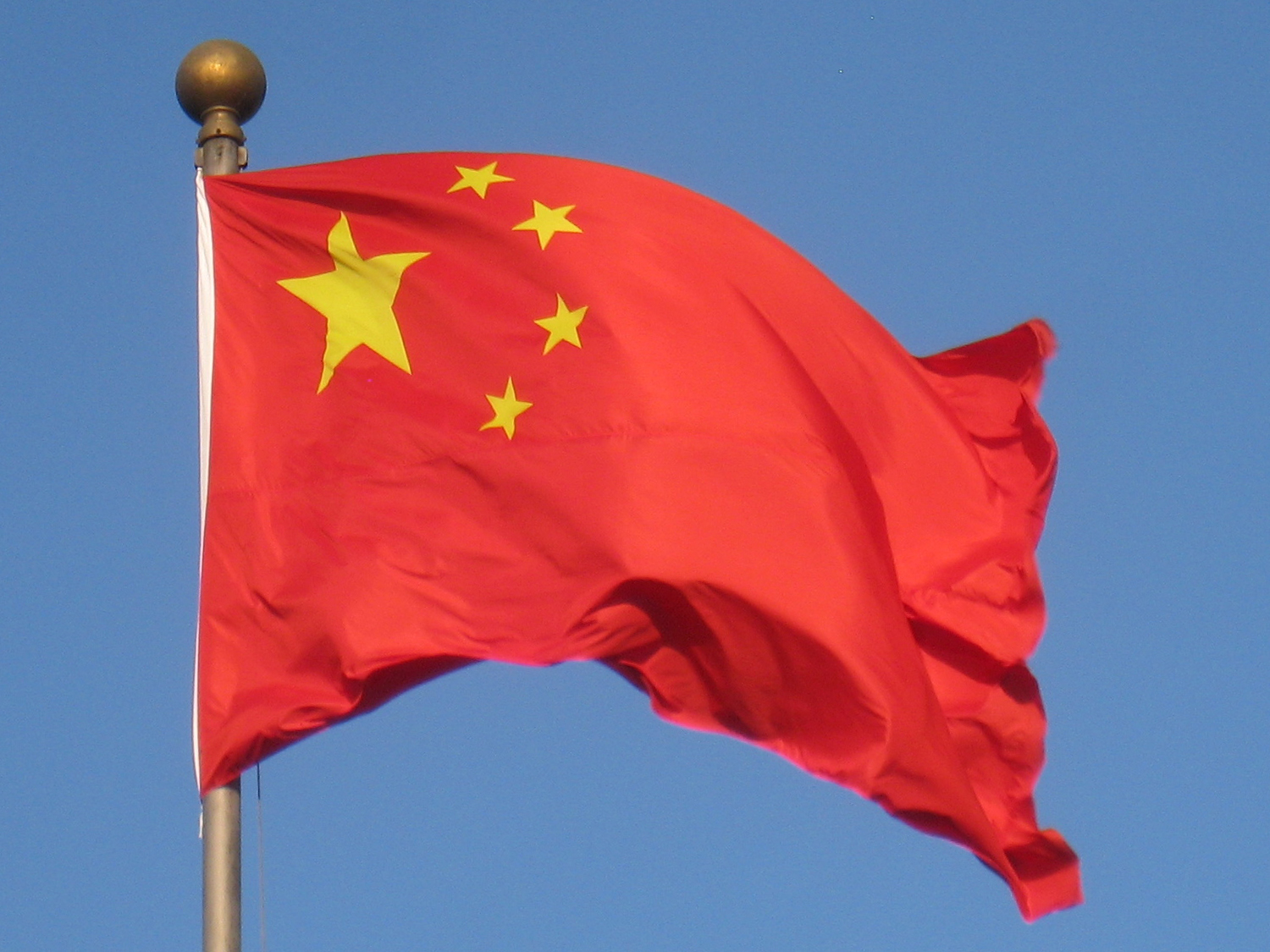
As Washington prepares for a high-stakes summit between Donald Trump and Xi Jinping, a bipartisan congressional delegation led by Steve Daines is set to arrive in Beijing, underscoring the renewed focus on stabilizing U.S.-China relations through negotiation.
China keeps winning after agreements happen
That focus misses the real issue.
The United States keeps concentrating on negotiating agreements. China is competing on what happens after them.
That difference is shaping outcomes across the international system.
Treaties are supposed to settle disputes. In practice, they move competition into a different arena. In today’s multilateral system, outcomes are rarely determined at the moment of agreement. They are determined later—through how rules are interpreted, applied, and enforced.
That is where influence is built. And it is where the United States is often absent.
The problem is not a lack of rules. It is that most of them are not self-enforcing. Agreements depend on reporting systems, review bodies, and ongoing interpretation. Those processes—often treated as technical details—are where outcomes are actually decided.
In climate governance under the Paris Agreement, countries define the scope and pace of their own commitments. In global health, implementation and reporting practices within the World Health Organization shape transparency and response expectations. In both cases, the agreement sets the framework, but results depend on how it is used.
That pattern holds across the system. Rules establish structure. Practice determines outcomes.
China has adapted to this reality. Rather than trying to rewrite agreements outright, it focuses on how they are applied. It uses domestic legal interpretations to define compliance, participates consistently in implementation bodies, and reinforces its positions over time through repetition and alignment with other countries.
China does not take part in bilateral arms control frameworks
This approach is also visible in arms control. China is not part of core bilateral frameworks such as the New START and has long resisted the transparency and verification measures that underpin those regimes. At the same time, it engages selectively in broader arms control forums, where it can shape expectations around disclosure and compliance without accepting the same obligations. The result is not the absence of rules, but an uneven system in which some actors shape outcomes without being bound by them.
Maritime disputes show the same dynamic. Under the United Nations Convention on the Law of the Sea, legal standards exist, but enforcement depends on state behavior. Outcomes in contested areas have been shaped by sustained presence and competing interpretations rather than decisive enforcement. What matters is not just what the rules say, but how they are used.
This is the core problem: there is a widening gap between formal rules and how the system actually operates. That gap is where influence is exercised.
The United States has not adjusted. It continues to emphasize negotiating agreements and funding international institutions, often assuming that rules will produce outcomes on their own.
They will not.
Other actors invest in the ongoing processes that define compliance—how rules are interpreted, how reporting is structured and how enforcement is applied. The United States often shows up at the beginning of the process and disengages from what comes next.
That is not a strategy. It is a vulnerability.
U.S. policy must shift
If influence is exercised through implementation, then U.S. policy has to shift—especially as Washington heads into another round of high-level diplomacy.
First, the United States should treat participation in international institutions as an ongoing operational effort, not a one-time diplomatic achievement. That means sustained engagement in the committees, review bodies, and technical forums where rules are interpreted and applied.
Second, funding should be used as leverage, not just support. Contributions can be tied to transparency, reporting standards, and performance. Applied strategically, this strengthens influence. Applied indiscriminately, it creates vacuums others will fill.
Third, coordination with allies must extend beyond agreeing on rules to enforce them. Shared expectations for reporting, verification and compliance are essential if agreements are going to produce real outcomes.
The lesson is straightforward: agreements do not determine outcomes. Implementation does.
That dynamic extends beyond treaties to standards-setting bodies and technology governance, where influence is exercised even earlier in the process. But the pattern is the same. Power comes from shaping how systems operate—not just what they say.
As Washington heads into another summit cycle, the risk is clear: the United States may once again negotiate agreements without controlling what follows.
And in today’s system, that is where the real competition is decided.
This article was originally published by RealClearDefense and made available via RealClearWire.

Sue Ghosh Stricklett is an author and national security law expert focused on China, multilateral institutions, and strategic competition. She serves as legal counsel to the American Hindu Jewish Congress.