
Executive
Shipping Waiver Subsidizes Beijing’s Fleet and Weakens Shipyards
President Trump waived the Jones Act that requires shipping of goods on American ships between American ports. That waiver should expire.

On March 18, less than three weeks into the conflict with Iran, President Trump signed a waiver of the Jones Act. Originally meant to last 60 days, it was later extended an additional 90 days. While this waiver was officially intended to lower gasoline prices that rose when the conflict threatened the supply of oil from the Persian Gulf, all it has really done is help oil companies maintain their high profits while drivers pay more at the pump.
The Jones Act is a necessary boon to American shipbuilding
Passed in 1920, after World War I revealed the shocking weakness of the United States Merchant Marine, the Jones Act is an absolutely vital element of American maritime power. It requires vessels transporting cargo between any two U.S. ports to be U.S.-built, U.S.-flagged, at least 75% American-owned, and crewed at least 75% by American citizens. More than 100 countries around the world, covering 85% of the world’s coastlines, have similar laws. Ships and boats built under the Jones Act support 650,000 across the United States (on rivers as well as along coasts) and generates $150 billion in economic activity every year.
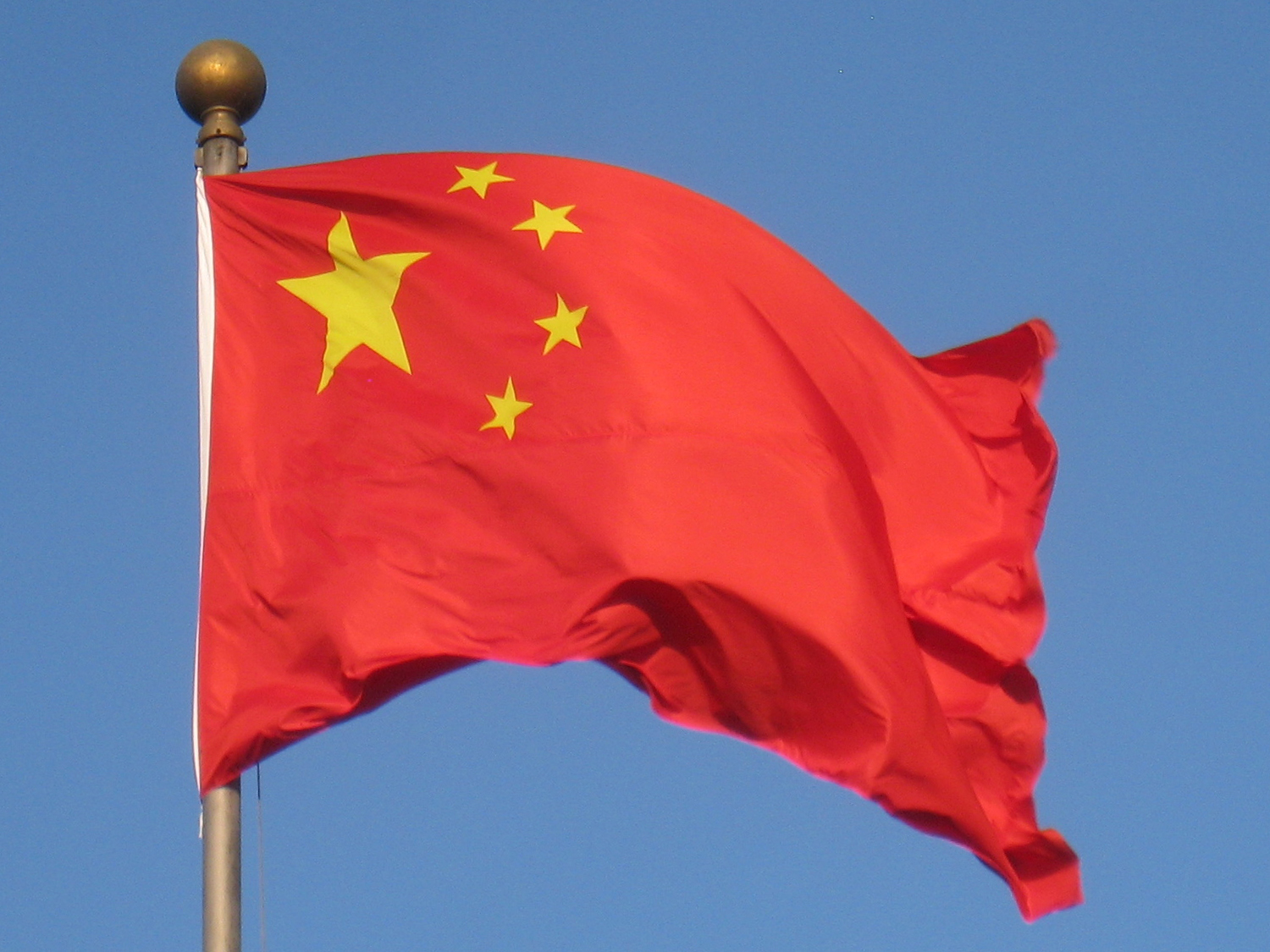
At a time when the People’s Republic of China dominates global shipping and shipbuilding (China builds more than half of all ships sailing the world’s oceans), any weakening of the Jones Act risks putting greater power into Beijing’s hands. We saw this happen quite quickly. As early as May 4, of the 15 vessels that had completed voyages with waivers at that point, four were built in Chinese shipyards, and ten had Chinese connections. As Garrett Rice, president of Master Boat Builders and vice chair of the Shipbuilders Council of America, put it:
When American shipbuilding shrinks and Chinese tonnage moves into American trades, China does not simply gain market share. It gains strategic leverage. Every waiver is a subsidy to that ambition, paid for by American workers in American yards, including the more than 400 men and women who show up at my family’s yard in Coden, Ala., every day.
Role of the U.S. Merchant Marine
In every conflict the United States has fought since the Jones Act was signed, the U.S. Merchant Marine has played an indispensable role. Over 90% of the transportation of military cargo takes place by sea, as many of the items America’s troops need overseas are too heavy to be carried by airplane. The Jones Act ensures that merchant mariners are constantly employed, letting them practice their highly skilled trade in peacetime in case they are needed in wartime. Take away American mariners’ chances to prepare for this vital task, and you hand an advantage to America’s future enemies.
Major oil companies are doing just fine despite the shocks caused by the war in the Persian Gulf. Phillips 66, for example, reported an unexpected profit for the first quarter of 2026. That means it did not need a Jones Act waiver and could have passed its profit onto drivers in the form of lower prices for its petroleum products. Instead, it used a waiver to ship American crude oil from Texas to the Eastern U.S.
Should we stop oil companies from shipping oil overseas?
Furthermore, oil companies know they will not have an incentive to lower their prices after the Strait of Hormuz reopens. ConocoPhillips warned in its first quarter 2026 earnings call that there would be “critical shortages” of oil in the summer. Last month, Exxon CEO Darren Woods warned that it would take a very long time for the flow of oil through the Strait to get back to normal after the conflict ended. Both of these companies reported multi-billion-dollar profits in the first quarter of 2026, meaning that they can afford to give drivers a break at the pump if they want.
There are measures the government can take to lower gasoline prices that do not undercut national security. Secretary of Energy Chris Wright has ruled out a full ban on the export of oil from the United States, but placing limits on the amount of oil that American oil companies can ship overseas can make more oil available to American consumers, thus lowering the price. That would help drivers save money at the pump without weakening the Merchant Marine.
Let the current shipping waiver expire
Even before the President signed the current waiver, it was clear that it would not help American drivers save money. A study conducted by Navigistics Consulting found that waiving the Jones Act would have an utterly tiny impact on gasoline prices: $0.0027 per gallon saved. The average American driver uses about 575 gallons per year, meaning they would save $1.55 over course of a year, or just under three cents per week. That is an utterly miniscule savings for the high price of letting Chinese shippers access the routes between U.S. harbors.
That prescient analysis is born out by economic data. The U.S. Department of Labor reported on June 10 that inflation in America rose in May to its highest rate in three years, driven largely by increases in gasoline prices. The Jones Act waiver has done nothing to bring them down.
The Jones Act waiver is scheduled to expire on August 16. It would be even better if the President revoked it before it lasted any longer, but in either case, he must not sign a new one. If the United States wants to maintain its maritime security, it cannot afford another dangerous opening for China that does not bring any benefit to American citizens.
This article was originally published by RealClearDefense and made available via RealClearWire.
Michael D. Purzycki is an analyst, writer, and editor based in Arlington, Virginia. He has worked for the United States Navy, United States Marine Corps, and United States Army.






-

 Civilization5 days ago
AI (or Super Intelligence) Day at the White House
-

 Civilization4 days ago
In CA Gov. Debate Becerra Runs Against Trump More Than Hilton
-

 Civilization5 days ago
Why Vague AI Regulation Threatens Our Strategic Edge Against China
-

 Executive3 days ago
Waste of the Day: Storm $ Bought Lamborghini
-

 Civilization4 days ago
California Turns Down Bipartisan Funding for VA Cemetery
-
Civilization2 days ago
China’s Semiconductor Bottlenecks Are Disappearing
-

 Civilization3 days ago
Why So Many Social Science Claims Are False
-
Civilization3 days ago
China’s Functional Strategy: The Fusion of Technology and Global Penetration