
Executive
Waste of the Day: TBT: Handouts For Pet Shampoo
In 2012, a federal grant went to pay for pet shampoo, and hair spray, styling gell and face wash for dogs.


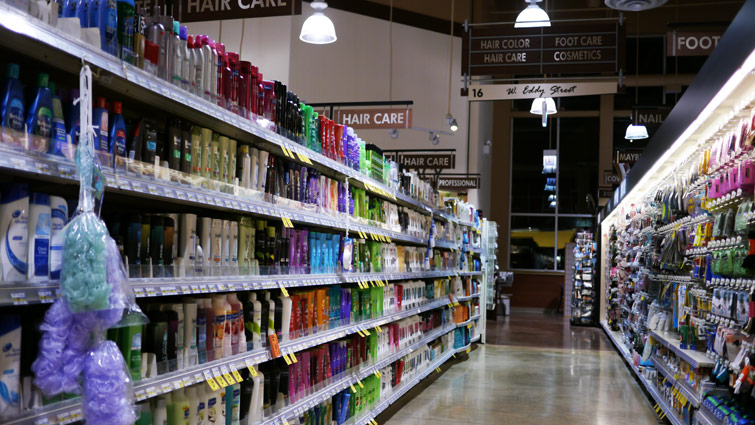
Topline: America’s dogs and cats were awash in dollar bills when Nebraska used a $505,000 federal grant to manufacture pet shampoo and toothpaste.
Pet shampoo? Seriously?
The money went to Sergeant’s Pet Care Products in 2012, which was seemingly not in need of a handout. The company had been around since 1868 and was bringing in more than $140 million in annual revenue.
That’s according to the “Wastebook” reporting published by the late U.S. Senator Dr. Tom Coburn. For years, these reports shined a white-hot spotlight on federal frauds and taxpayer abuses.
Coburn, the legendary U.S. Senator from Oklahoma, earned the nickname “Dr. No” by stopping thousands of pork-barrel projects using the Senate rules. Projects that he couldn’t stop, Coburn included in his oversight reports.
Coburn’s Wastebook 2012 included 100 examples of outrageous spending worth more than $18 billion, including the money spent on pet hygiene — which would be worth $728,000 today.
Key facts: Sergeant’s used most of the money on capital improvement, like buying the machinery needed to make its pet hygiene products. There was $5,000 left over for “administrative costs.”
Taxpayers funded the project through a Community Development Block Grant from the Department of Housing and Urban Development. The grants are normally given to small or struggling businesses, but Sergeant’s did not fit into that category. It was purchased by Perrigo Company in late 2012 for $285 million, showing that its business model was already set up for success.
What else they spent the money on
The pet product spending did not end there. Also in 2012, the company Espree received funds from the Department of Agriculture to promote its canine hair spray, styling gel and face wash. The Pet Food Institute and the Wholistic Pet Organics Company — which “produces certified organic and human grade animal health products and food supplements” — also got USDA grants.
Search all federal, state and local salaries and vendor spending with the world’s largest government spending database at OpenTheBooks.com.
Summary: Companies that have been successful since the 1800s aren’t worthy of taxpayer subsidies
The #WasteOfTheDay is brought to you by the forensic auditors at OpenTheBooks.com.
This article was originally published by RealClearInvestigations and made available via RealClearWire.

Jeremy Portnoy, former reporting intern at Open the Books, is now a full-fledged investigative journalist at that organization. With the death of founder Adam Andrzejewki, he has taken over the Waste of the Day column.