
Civilization
America’s Biggest Battlefield Vulnerability Isn’t a Weapon. It’s Fuel.
The American military runs on fuel, which requires frequent convoys to bring it to the front line. America needs alternatives.


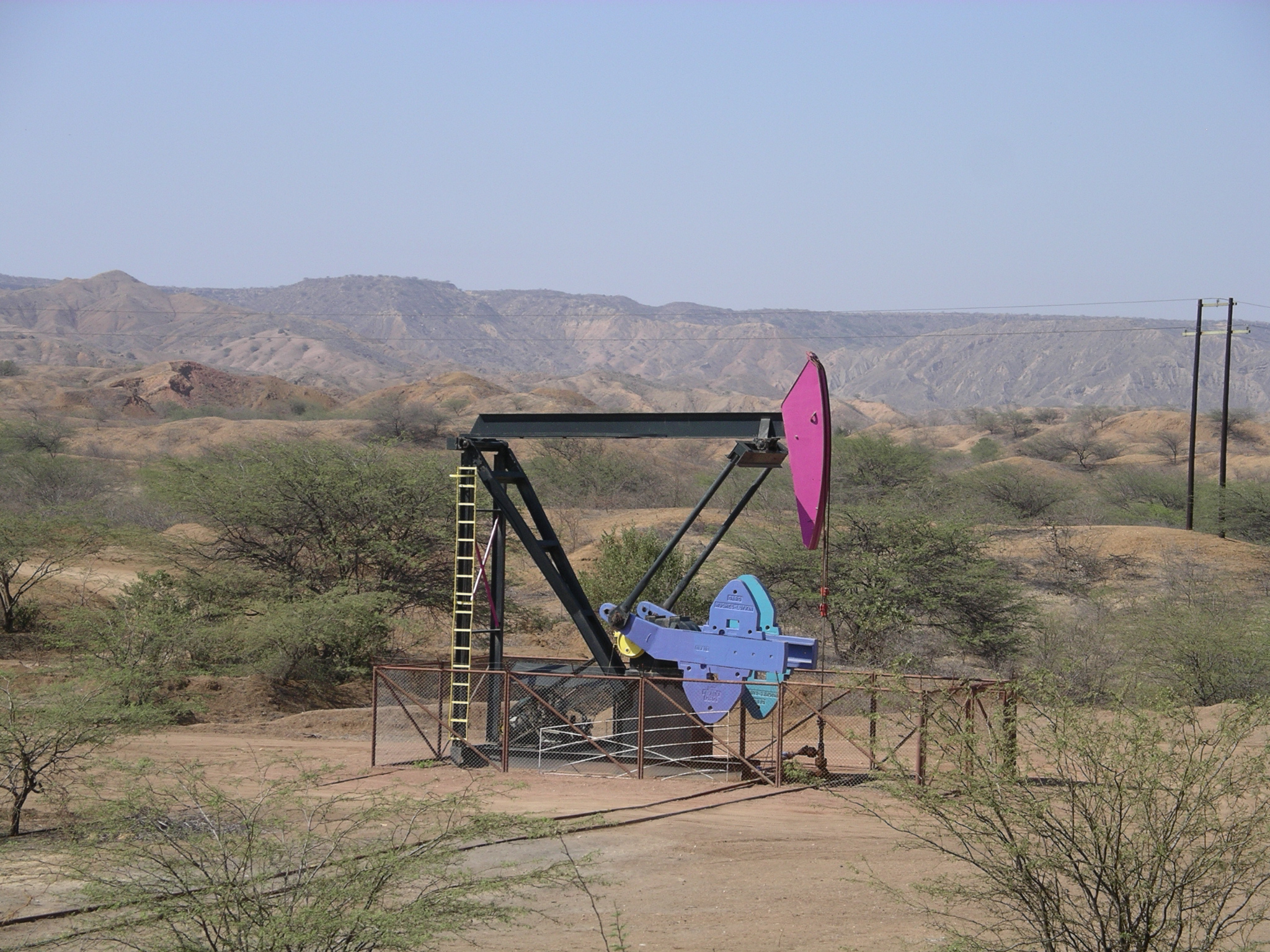
Recent conflicts in Iran have put a spotlight on the vulnerabilities of fossil fuels. Over the last few weeks, we’ve watched the Strait of Hormuz close, cutting off 20% of the world’s oil supply and resulting in a 55% jump in oil prices. Every industry is feeling the impact of this. But no sector is more exposed than defense. The U.S. military is the largest single institutional consumer of oil on the planet, and right now, that’s not just an energy problem. It’s a strategic one.
Estimates report that the United States armed forces consume approximately 4.6 billion gallons of fuel per year. If the Pentagon were a country, it would rank among the top 60 oil-consuming nations on earth, ahead of Portugal, Peru, and most of the world’s mid-sized economies. That demand doesn’t pause during a geopolitical crisis. If anything, it surges. What the Hormuz disruption exposed is a fundamental issue: the machines that project force are the same machines most vulnerable to fuel supply disruption.
The True Cost of a Gallon of Motor Fuel
The cost of military fuel is much deeper than a dollar amount. Defense logistics professionals use a metric called the Fully Burdened Cost of Fuel (FBCF), which accounts for procuring, transporting, and protecting a gallon of petroleum from the point of purchase to the point of use. In some cases, the cost has been reported as high as $1,000 per gallon when shipping to the theater of war in the Middle East. A 2023 U.S. Naval Institute Proceedings article noted that in future major contested conflicts (particularly in the Pacific), fuel logistics would be pushed to the breaking point, with the challenges far greater than those faced in Iraq and Afghanistan, and costs would likely exceed Afghanistan-level estimates.
We aren’t just paying for fuel in dollars, fuel convoys cost lives. According to an Army Environmental Policy Institute study, U.S. forces sustained one casualty for every 24 fuel and water resupply convoys in Afghanistan and one casualty for every 39 convoys in Iraq. Between 2003 and 2007, an estimated 3,000 American soldiers and contractors were killed or wounded in attacks on fuel and water convoys.
Raw consumption requires frequent fuel convoys
The reason those convoys were so frequent comes down to raw consumption. A large Army division may use up to 6,000 gallons of fuel per day. The M1 Abrams gets less than 0.6 miles per gallon. The Army’s generator fleet, which powers lighting, communications, and base operations at forward locations, consumed approximately 357 million gallons per year during peak wartime operations in Iraq and Afghanistan. Generators, not tanks or aircraft, were the single largest fuel consumer on the battlefield.
Rethinking Energy at the Edge
Addressing this challenge requires rethinking not just how energy is sourced, but how much of it we need in the first place, where it’s going, and what we’re using.
The U.S. military spent an estimated $20.2 billion annually on air conditioning structures in Iraq and Afghanistan, making heating and cooling one of the largest energy expenses on a forward operating base. Simple interventions like spray foam insulation can cut climate control costs by 50%, according to Army research at the National Training Center. Less demand means fewer convoys, fewer casualties, and greater operational freedom.
Modern warfare is also increasingly fought by small, agile teams using robotics and autonomous systems on discrete, short-duration missions. Military logistics are evolving to match, minimizing the need to resupply fuel to smaller, distributed bases, streamlining supply chains, and securing energy at the point of need rather than the end of a long convoy route.
Three kinds of alternate fuel supply
On the supply side, the answer isn’t a single alternative fuel. It’s an all-inclusive energy strategy: small-scale nuclear, solar paired with battery storage, hydrogen, wind, and hybridized fossil fuel generators working in concert to create resilient, redundant power wherever forces operate. Some real-life examples of this include:
- Nuclear microreactors as part of the Pentagon’s Project Pele have demonstrated that a reactor powerful enough to run a forward operating base can be packaged into standard shipping containers and airlifted by C-17, eliminating the fuel convoy for base power needs.
- Solar power and hydrogen allowed the U.S. Army Corps of Engineers to run 24/7 perimeter security and surveillance at the White Sands Missile Range, completely unmanned with zero power outages for 13 months.
- Alternative fuels and hybrid platforms are already cutting fuel consumption on wheeled vehicles by nearly 20%. The Air Force has certified biofuel blends across its fleet. And companies like AirCo are using captured CO2 and hydrogen to create synthetic fuels, earning them a $65 million contract with the DoD.
From Logistics to Resilience
Reducing fuel dependence directly improves force protection by minimizing resupply missions. It increases operational flexibility by allowing units to operate independently of fixed supply lines. And it enhances mission endurance by enabling continuous power generation in remote or contested environments. A 2023 U.S. Naval Institute Proceedings article by a Marine Corps officer warned that in a future Pacific conflict, the entire fuel logistics chain, from forward units back to U.S. refineries, would be exposed to attack at every point, making energy resilience a priority the military cannot afford to delay.
Energy resilience also supports the realities of modern warfare. Future conflicts will be increasingly unmanned and robotic, with USVs, UGVs, and UAS leading the charge. Autonomous systems, persistent surveillance, and distributed command-and-control networks all require reliable, long-duration power. As these capabilities scale, so too does the need for energy systems that can support them without introducing new vulnerabilities.
The Path Forward
JP-8 has been the backbone of military energy for decades because it is reliable, energy-dense, and well understood. But the conditions that made it effective are changing.
Modern conflicts are more distributed. Supply chains are more contested. Autonomous warfare is here. The solution is not to find a single replacement fuel, but to build an energy strategy that is diverse by design, one that draws on small-scale nuclear, solar and battery storage, hydrogen, wind, and hybridized generation, while simultaneously reducing energy demand through better insulation, smarter base design, and leaner logistics. The goal is an energy posture resilient enough that no single chokepoint — not the Strait of Hormuz, not a convoy ambush, not a supply line disruption — can degrade our ability to operate.
The question is no longer whether alternatives exist. It is whether we have the strategic will to build the energy architecture modern warfare demands.
This article was originally published by RealClearDefense and made available via RealClearWire.

Lauren Flanagan is the CEO and founder of Sesame Solar.