
Civilization
The Summit Trump Should Schedule After Beijing
President Trump should look ahead and schedule a near-future summit on artificial intelligence – at the strategic level.

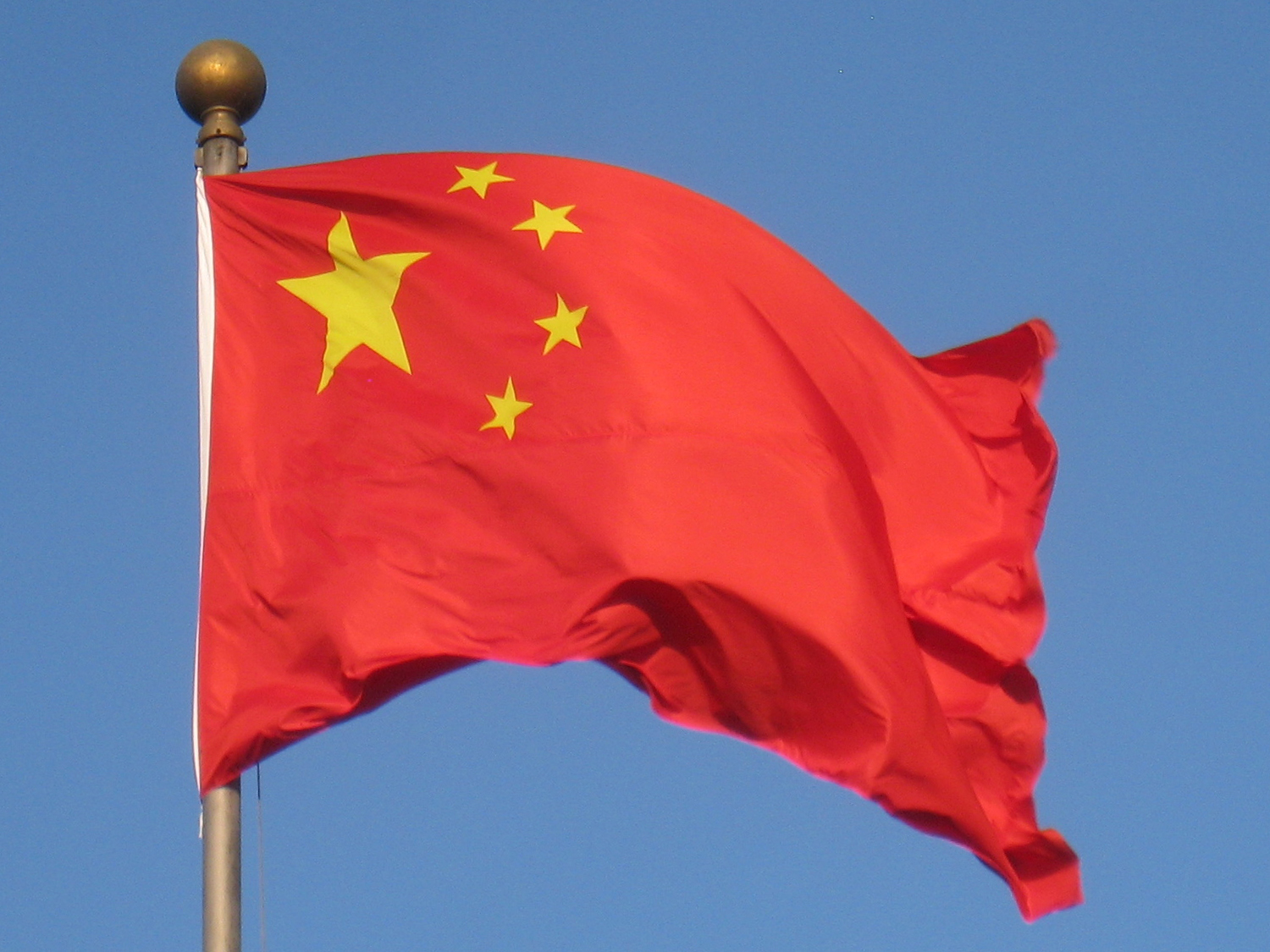
On May 14, President Trump lands in Beijing for a summit with Xi Jinping. The agenda is a familiar gauntlet: trade imbalances, rare earth dependencies, the Taiwan Strait, and the Iranian proxy network. What won’t be on the table, but should be, is the one issue that will determine whether the next great-power crisis ends in miscalculation or managed competition: a bilateral framework governing military AI.
We don’t yet have an AI treaty
Trump arrives in Beijing with diminished leverage. But he holds one card Beijing cannot manufacture: the credibility to propose rules that constrain both sides equally. Call it SALT for the algorithm age.
The comparison is not hyperbolic. In the 1970s, Washington and Moscow agreed to limit strategic nuclear weapons not because they trusted each other, but because both recognized that unregulated competition with weapons of existential consequence was more dangerous than constrained competition. AI, particularly as applied to autonomous targeting and command-and-control networks, is approaching that same threshold. We are entering the era of “mutually automated destruction,” where systems are designed to respond faster than human oversight can intervene, stripping away the very hesitation that kept the Cold War cold.
The urgency is not theoretical. In February, both the U.S. and China refused to sign the military AI declaration at the REAIM summit in Spain. Of the 35 nations that did sign, none possess the computing power or the data sets to trigger a global catastrophe. The only two players that matter remained on the sidelines. Yet, when Trump and Xi met last October in South Korea, China signaled a willingness to discuss AI cooperation. No follow-on discussions have taken place. Beijing is nine days away. This is the moment.
Toward an AI summit
The first ask is achievable and precedent-based: a bilateral commitment that humans, not algorithms, retain final authority over nuclear employment. In 2024, Xi made this verbal commitment to the previous administration. Trump should formalize it, put it in writing, and make it verifiable, applying the same rigor we once used for warhead counts. From that foundation, both sides can begin the harder work: shared testing standards for autonomous systems, dedicated crisis hotlines for AI-enabled “glitches,” and defined red lines for AI in battle management.
Skeptics will argue Beijing can’t be trusted. They are right. But the alternative is the current status quo, which is a vacuum of rules that favors neither side. The SALT process didn’t require trust; it required a shared recognition that the downside of no agreement exceeded the risks of an imperfect one.
However, Trump faces a domestic prerequisite. The United States cannot negotiate credible AI governance while our own house is in disorder. Currently, American military AI policy is being litigated in courtrooms and corporate boardrooms rather than the Situation Room.
Algorithmic force
The collapse of the Pentagon’s partnership with Anthropic this past March and the dueling federal court rulings that followed highlight a dangerous vacuum. When a private corporation can effectively “unplug” the military from frontier models over an internal ethics disagreement, or when the Department of War must weaponize “supply chain risk” labels to coerce domestic innovators, we have reached a crisis of sovereignty. Policy decisions of this magnitude, deciding where “lawful use” ends and “algorithmic autonomy” begins, should not be resolved through contract disputes.
Trump should act before Air Force One leaves the tarmac. He should call on Congress to bring “algorithmic force” under the same democratic discipline as covert action. Under Title 50 of the U.S. Code, the President must sign a formal “finding” before clandestine operations proceed. We should require an analogous “AI Finding” for any system integrated into lethal targeting. By establishing that a civilian hand must be on the digital trigger, we clarify our own command structure. Only then can we demand the same transparency from the Central Military Commission.
Trump has an opportunity in Beijing that his predecessors lacked. The summit agenda is set, but summits merely create the conditions for what comes next. The ask for May 14 is simple: agree to a follow-on, cabinet-level bilateral session on military AI red lines before the end of 2026.
The next summit
The lesson of the Cold War is not that rivalry can be eliminated. It is that even bitter rivals can recognize when the speed and stakes of competition demand rules. In the gap between advancing technology and stagnant institutions lies the risk not of deliberate war, but of systems behaving in ways neither side fully controls.
Beijing is a summit; the real test is whether it leads to a framework. Technology moves at the speed of compute, but diplomacy moves at the speed of trust. The only way to close that gap is to start building the table now, while both leaders are still in the same room.
This article was originally published by RealClearDefense and made available via RealClearWire.
Mike Lyons is an officer in the United States Army and a graduate of the United States Military Academy (Class of 1983).


-

 Constitution4 days ago
Green Energy Mandates Meet the Commerce Clause
-

 Civilization4 days ago
America’s Freedom to Slow AI Is Priced in Magnets
-

 Executive4 days ago
Waste of the Day: Federal Dumpster Diving
-
 Civilization3 days ago
AI (or Super Intelligence) Day at the White House
-

 Civilization2 days ago
In CA Gov. Debate Becerra Runs Against Trump More Than Hilton
-

 Civilization3 days ago
Why Vague AI Regulation Threatens Our Strategic Edge Against China
-

 Executive2 days ago
Waste of the Day: Storm $ Bought Lamborghini
-

 Civilization2 days ago
California Turns Down Bipartisan Funding for VA Cemetery