Executive
Trump Sours on USMCA
Trump negotiated the USMCA in his first term, but now he will not renew it, after many of his recent measures now supersede it.

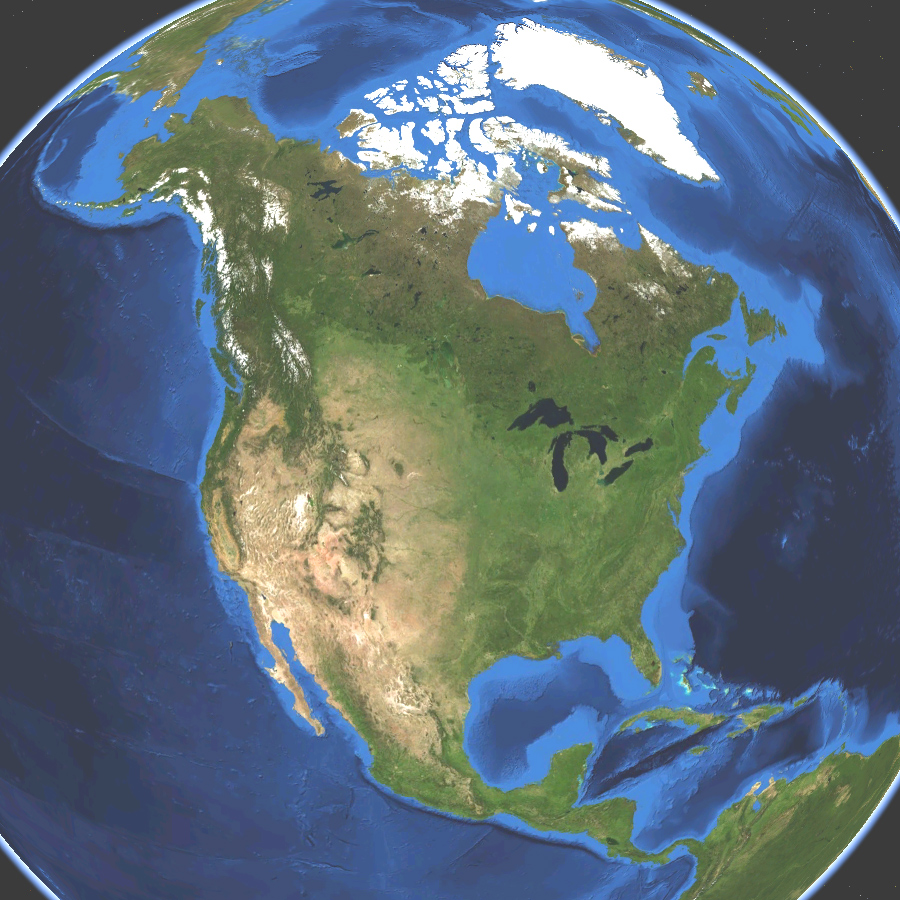
Less than six years after President Donald Trump replaced the North American Free Trade Agreement with his own United States-Mexico-Canada Agreement (USMCA), he’s decided to renege on his own creation.
Not renewing the USMCA
On a call with reporters Wednesday afternoon, a senior Trump administration official said that due to “existing issues,” the United States government will not renew the USMCA but will continue to negotiate a new trade posture with Canada and Mexico. U.S. Trade Ambassador Jamieson Greer released a statement confirming the decision during the call.
Trump signed the trade pact in 2018, and he later called it “the best agreement we ever made.”
“The USMCA is the fairest, most balanced, and beneficial trade agreement we have ever signed into law,” he said at the time.
But the balance has wavered, according to the White House. The senior administration official said that the president has been displeased with the way it has failed to eliminate trade deficits with Canada and Mexico. The USMCA was signed for a 16-year period, with a joint review scheduled for every six years to reassess. That deadline was today.
“The United States did not agree to renew the USMCA in its current form. So, as a result, the USMCA is not renewed,” Greer said in a statement. “The United States will continue to engage with Mexico and Canada to address the Agreement’s shortcomings and our trade deficits with these countries. However, the Agreement remains in force pending resolution of these issues or until the Agreement’s termination.”
Many recent measures now supersede the USMCA
During the call with reporters, the administration official pointed out that many of the trade and tariff measures already superseded parts of the USMCA. The official characterized the heart of the issue to be the persistence of high trade deficits.
“When USMCA was adopted… the idea was that we would modernize the agreement, and it would also lead to rebalancing the agreement. It did succeed in modernizing the agreement, but with respect to rebalancing, our trade deficits with both Mexico and Canada shot up during the Biden administration,” the official said. “We started to get it under control, thankfully, but we believe that the USMCA does not operate to control the deficit like the president intended.”
As long as no other country withdraws, the agreement will remain in effect for the next 10 years. But today’s decision triggers a yearly review period, and uncertainty about the future of U.S. trade relations could destabilize the market. Trump already enacted widespread tariffs last year on what he called Liberation Day. The Supreme Court ruled in February that he could not impose those tariffs under emergency authority, but he has continued to use them to readdress trade relationships across the globe. However, most goods from Canada and Mexico were exempt from those tariffs under the USMCA.
What we don’t want is a situation where we make a deal with Mexico, we have tariffs on the rest of the world, and everyone [says], “Fine, we’re going to move everything to Mexico and import to us duty free.” That doesn’t make any sense, right?
Current status
As of 2024, compliant goods and services traded between the three countries totaled roughly $1.93 trillion. But Trump has been unhappy with the current deficits with the country’s top trade partners. As of last year, the U.S. had a $48 billion trade deficit with Canada, significantly down from a $78 billion deficit in 2022. Last year’s deficit with Mexico totaled $197 billion.
The administration is only in serious talks with Mexico as the president’s relationship with Canada has also soured. The senior administration official said that Canada was one of the only countries to respond to the Liberation Day tariffs with retaliatory tariffs of their own. While discussions will continue, no public meetings are planned.
“It’s no secret the president in recent years has not been the biggest fan of CUSMA or other trade deals, but there are specific things that we can work together on,” Canadian Prime Minister Mark Carney said last month, using the Canadian acronym for the agreement.
The U.S. and Mexico will meet again the week of July 20 to continue bilateral trade negotiations. The president’s ultimate goal is reciprocity, balance, and open foreign markets. The U.S. now has 10 years to renegotiate the terms of the agreement or to rejoin. If neither happens, the USMCA expires in 2036.
Trump said about the USMCA in June,
I don’t know that I’m going to renew it. We don’t need anything that Canada has. We don’t need anything that Mexico has, but they need everything that we have. And they have to treat us better.
This article was originally published by RealClearPolitics and made available via RealClearWire.
Carolina Lumetta is White House correspondent for RealClearPolitics.